
Insect · GBIF taxon 4803200
Magnetic Termite
Amitermes meridionalisAlso known as Compass Termite, Meridian Termite
Magnetic termites build iconic, flattened earthen mounds aligned precisely along a north-south axis across the tropical floodplains of northern Australia. This remarkable architectural orientation minimizes exposure to intense midday heat while capturing warmth during cool mornings and late afternoons. Millions of sterile workers and soldiers cooperate inside each complex structure to harvest cured grasses and nourish a single egg-laying queen.
Mound BuilderEusocialEndemic
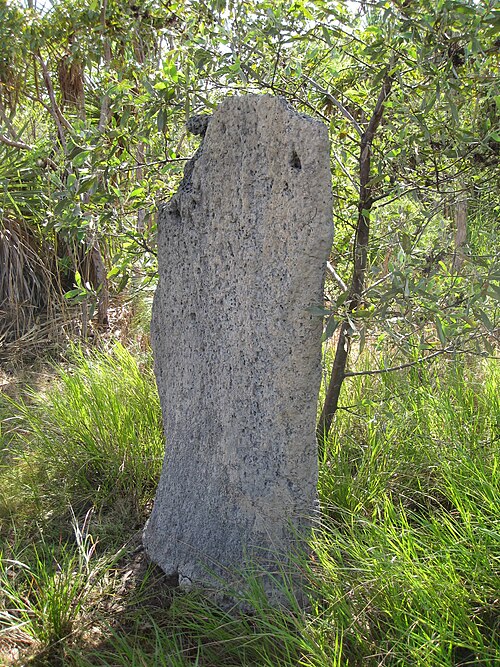
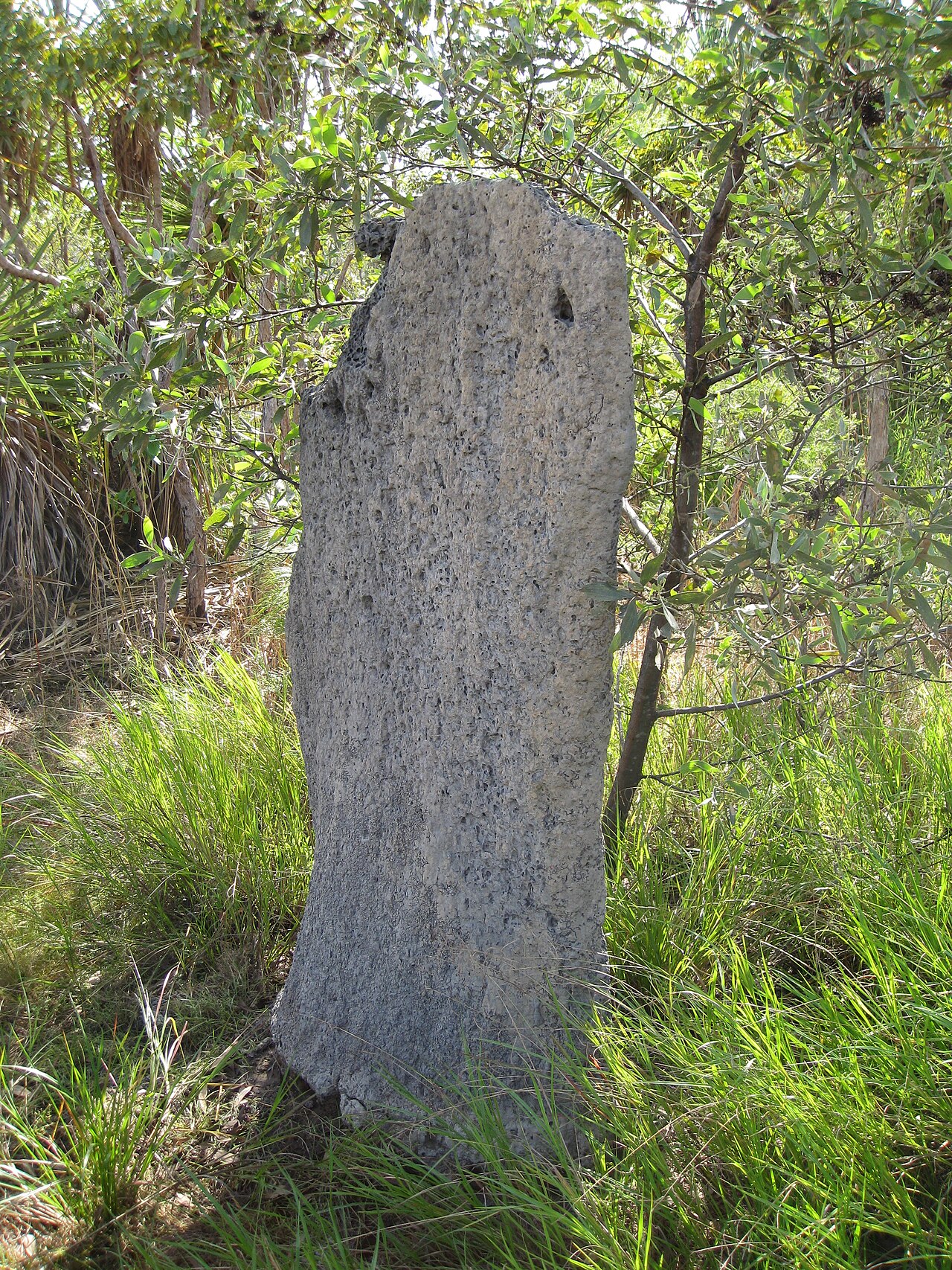
Licensed referencebrewbooks from near Seattle, USA / CC BY-SA 2.0 · cc-by-sa
—observations
—countries
—peak records
Not EvaluatedConservation statusIUCN Red List categoriesLCNTVUENCREWEXNot Evaluated — not placed on the risk ladderRed List categories, explained →
Diet & prey
- Dry Grasses
- Plant Litter
- Organic Soil Matter
Predators
- Short-beaked Echidna
- Meat Ants
- Goannas
ThreatsAltered fire regimes, soil compaction from livestock, extreme climate events
HabitatsSeasonally flooded tropical savannas and grassy plains
Life spanColonies persist 30–50 years; workers live up to 2 years
Size / weightNot available
Classification
- FamilyTermitidae
- SpeciesAmitermes meridionalis
Range data is not available yet.
Interaction riskLow
- Low
- Moderate
- High
- Very high
- Why interaction risk is low
- Safe to observe at a normal distance.
Responsible observation
- Observe Alignment: Use a compass to confirm how the narrow edge runs directly north to south.
- Respect Mounds: Keep distance to avoid cracking fragile mound walls and disrupting internal airflow.
- Watch for Wildlife: Scan outer crevices for small lizards and frogs using the mound for shade.
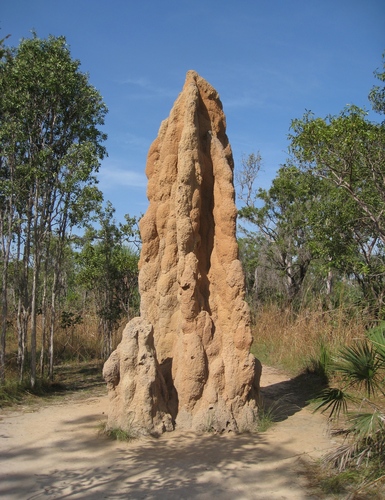
Mound Builder (c) J Brew, some rights reserved (CC BY-SA), uploaded by J Brew · cc-by-sa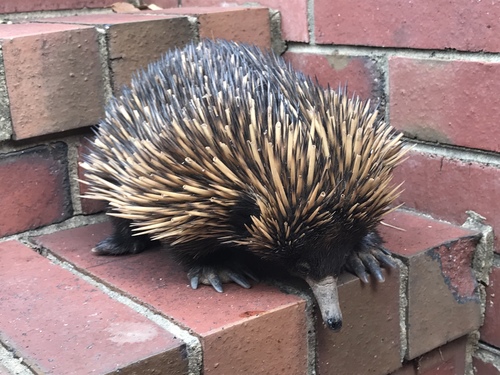
Predator no rights reserved · cc0 Image unavailable
Competitor Symbiont Close Relative
Help improve the field guideSomething wrong?
Checking your Fauna account…Report a name, category, or profile issue for review.