
Insect
Chilton's Giant Dragonfly
Uropetala chiltoniAlso known as Mountain Giant Dragonfly, Kapokapowai
Chilton's giant dragonfly is one of the largest dragonflies on Earth, sporting bold black-and-yellow markings as it patrols sunny subalpine bogs and tussock seepages across New Zealand's South Island. Unlike most dragonflies whose larvae swim freely, its nymphs dig deep, waterlogged burrows in mossy peat and wait at the entrance after dark to ambush passing invertebrates. Adults emerge in midsummer for a brief aerial life spent hawking large insects and defending boggy breeding territories.
PredatoryEndemicSemi-aquatic
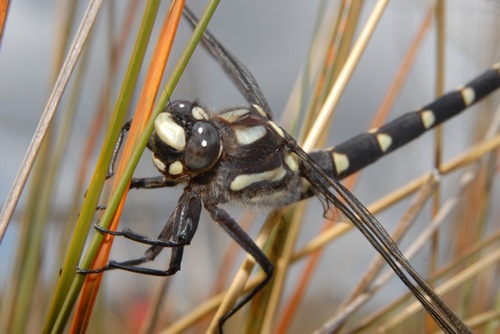
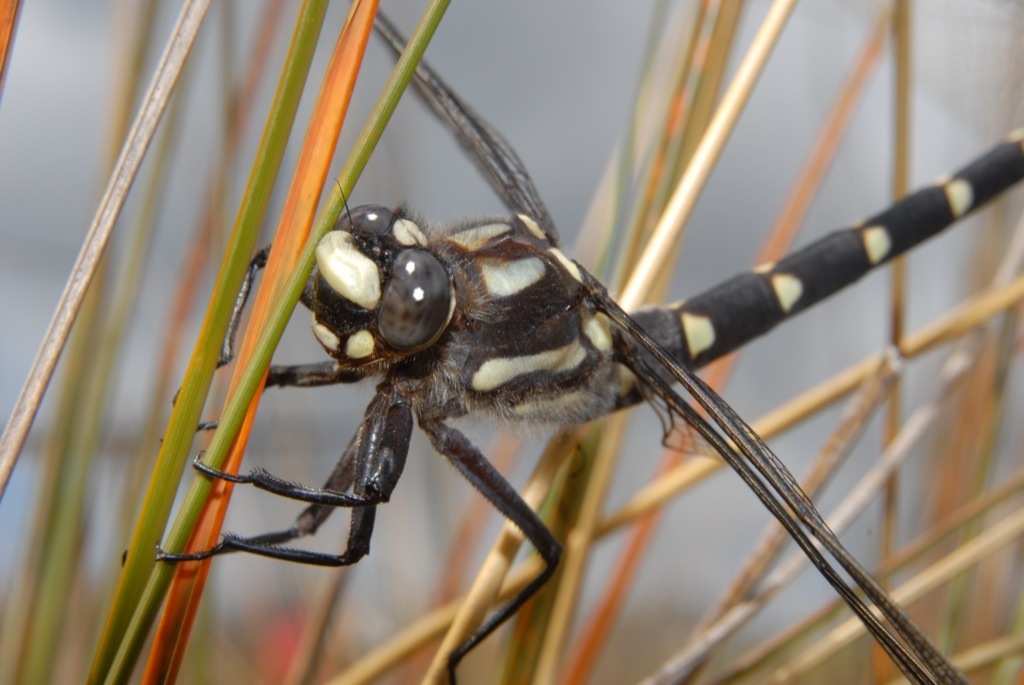
—observations
—countries
—peak records
Least ConcernConservation statusIUCN Red List categoriesLCNTVUENCREWEXLeast ConcernRed List categories, explained →
Diet & preyMoths, Flies, Beetles
Predators
- New Zealand Falcon
- Sacred Kingfisher
- Introduced Trout
ThreatsWetland drainage, livestock trampling, and introduced trout
HabitatsSubalpine bogs, tussock seepages, and mountain mires in New Zealand
Life span5–6 years as a nymph; 1–2 months as an adult
Classification
- FamilyPetaluridae
- SpeciesUropetala chiltoni
Range data is not available yet.
Interaction riskLow
- Low
- Moderate
- High
- Very high
- Why interaction risk is low
- Safe to observe at a normal distance.
Responsible observation
- Where to Look: Search sunny subalpine seepages and red tussock bogs on New Zealand's South Island in midsummer.
- Watch the Ground: Look for mud-rimmed burrow entrances in mossy peat where nymphs wait to ambush prey.
- Tread Lightly: Avoid stepping on soft bog margins to prevent collapsing the years-old underground burrows of developing nymphs.
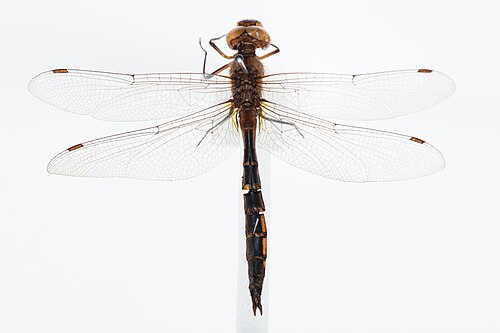
Neighbor Wikimedia Commons / CC BY 4.0 · cc-by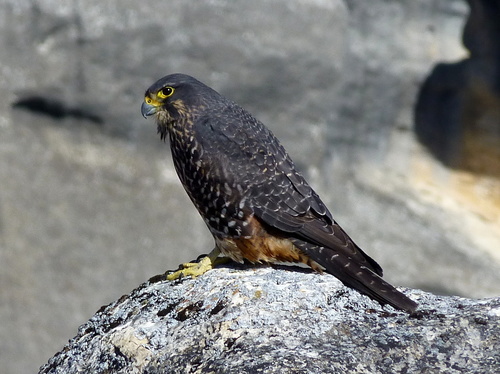
Predator (c) Murray Dawson, some rights reserved (CC BY) · cc-by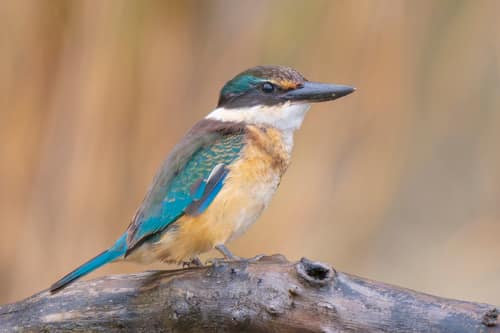
Predator (c) Saryu Mae 前 朝琉, some rights reserved (CC BY), uploaded by Saryu Mae 前 朝琉 · cc-by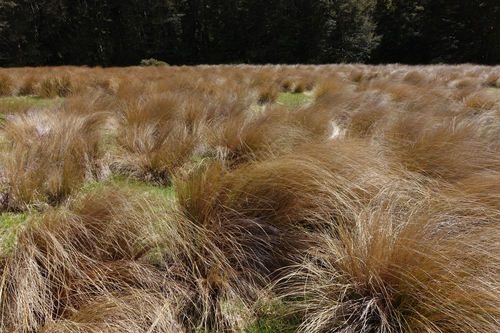
Habitat Plant (c) John Barkla, some rights reserved (CC BY), uploaded by John Barkla · cc-by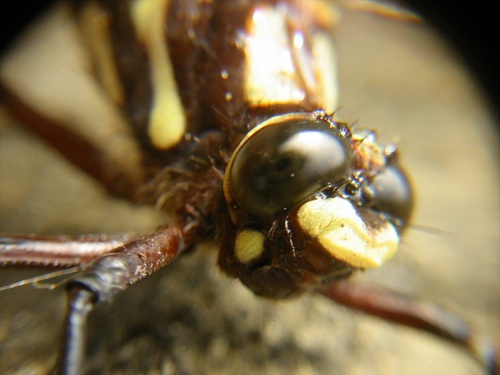
Close Relative (c) Jon Sullivan, some rights reserved (CC BY) · cc-by
Help improve the field guideSomething wrong?
Checking your Fauna account…Report a name, category, or profile issue for review.