
Insect
Hibiscus Harlequin Bug
Tectocoris diophthalmusAlso known as Cotton Harlequin Bug
Females exhibit remarkable maternal care, brooding over tight clusters of barrel-shaped eggs on host stems to defend them from parasitic wasps. Their brilliant jewel tones shift dramatically with sex, age, and temperature, acting as a vivid warning to visual predators of their unpalatable chemical defenses. Dense clusters of nymphs and adults routinely congregate on the ripening seed capsules of native hibiscus, kurrajong, and cotton plants.
ColorfulHerbivoreDiurnal
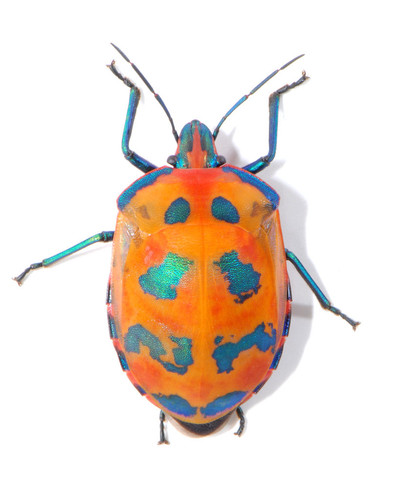
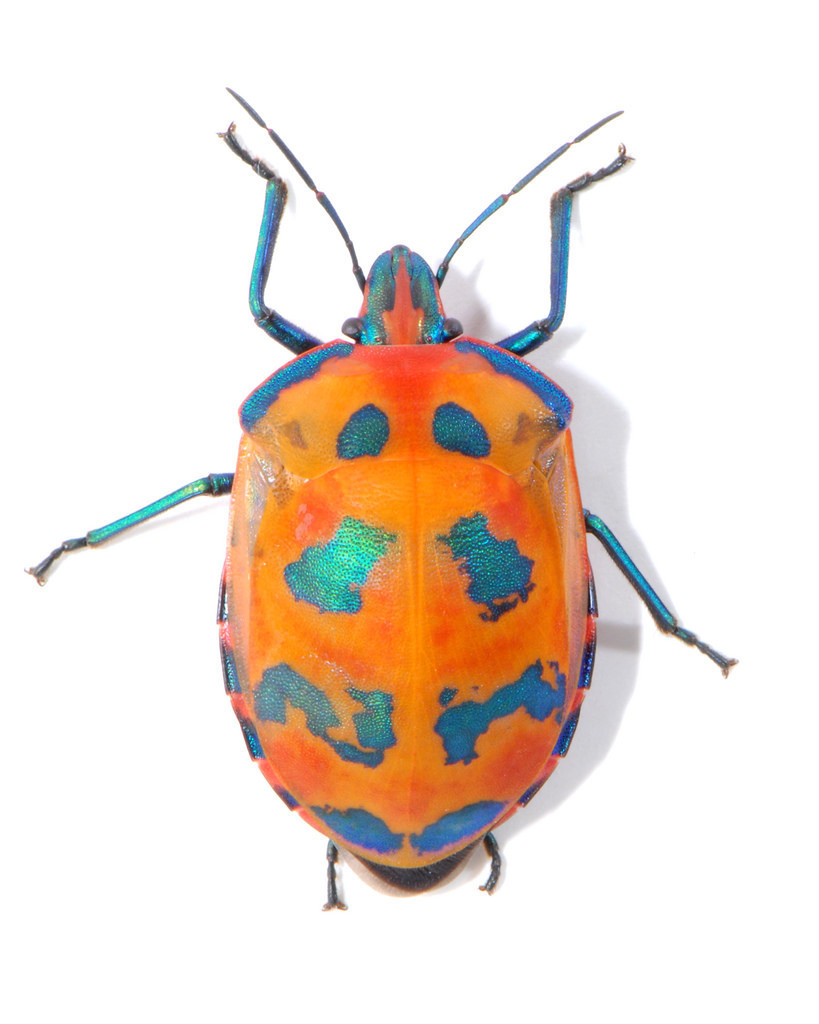
—observations
—countries
—peak records
Not EvaluatedConservation statusIUCN Red List categoriesLCNTVUENCREWEXNot Evaluated — not placed on the risk ladderRed List categories, explained →
Diet & preyHibiscus sap, Kurrajong seeds, Cotton bolls
Predators
- Spiders
- Parasitoid wasps
- Insectivorous birds
ThreatsBroad-spectrum insecticides and removal of native host trees
HabitatsCoastal scrub, rainforest margins, urban gardens, and agricultural fields
Life span4–9 months
Classification
- OrderHemiptera
- FamilyScutelleridae
- GenusTectocoris
- SpeciesTectocoris diophthalmus
Range data is not available yet.
Interaction riskLow
- Low
- Moderate
- High
- Very high
- Why interaction risk is low
- Safe to observe at a normal distance.
Responsible observation
- Spotting: Check the ripening seed pods and leaf undersides of ornamental or native hibiscus trees.
- Parental Behavior: Look for adult females standing vigil directly over compact egg clutches on stems.
- Handling: Observe without grabbing, as agitated bugs can release a pungent chemical fluid.
 Image unavailable
Host Plant Competitor Same Family
Help improve the field guideSomething wrong?
Checking your Fauna account…Report a name, category, or profile issue for review.