
Invertebrate
Leanchoilia superlata
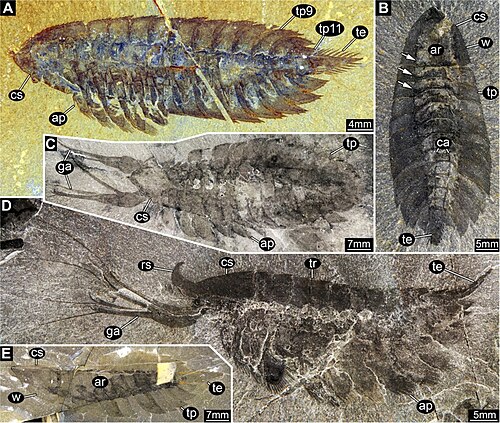
Leanchoilia superlataLeanchoilia superlata is an extinct megacheiran arthropod that swam through Middle Cambrian seas roughly 508 million years ago. Its most striking feature was a pair of multi-jointed great appendages ending in long, whip-like sensory flagella that helped it probe the murky seafloor. Well-preserved fossils from the Burgess Shale reveal delicate internal organs, including digestive glands and sophisticated neural networks.
FossilPrehistoricMarine
—observations
—countries
—peak records
ExtinctConservation statusIUCN Red List categoriesLCNTVUENCREWEXExtinctRed List categories, explained →
Diet & preySmall polychaete worms, Small trilobites, Organic benthic detritus
Predators
- Anomalocaris canadensis
- Opabinia regalis
- Hurdia victoria
ThreatsNatural extinction during the Cambrian Period
HabitatsAncient marine shelf seafloors
Life span1–3 years
Classification
- FamilyLeanchoiliidae
- SpeciesLeanchoilia superlata
Range data is not available yet.
Interaction riskLow
- Low
- Moderate
- High
- Very high
- Why interaction risk is low
- Safe to observe as an extinct fossil specimen.
Responsible observation
- Museum Viewing: Examine matrix fossils under angled lighting to distinguish subtle limb details.
- Fossil Etiquette: Never remove specimens from protected fossil reserve sites like the Burgess Shale.
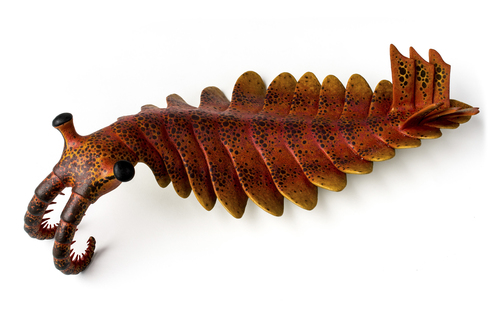
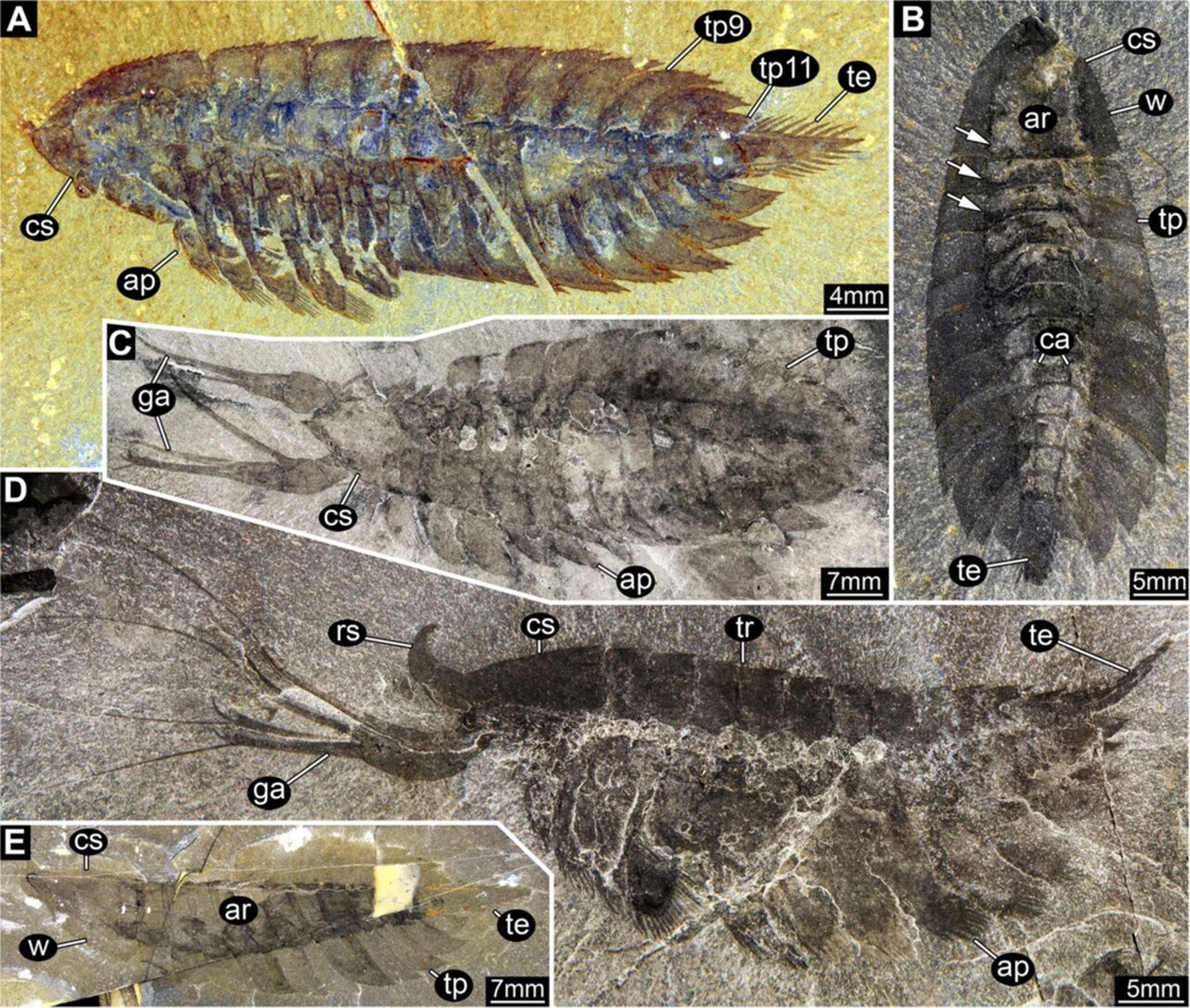
Predator (c) anonymous, some rights reserved (CC BY-SA) · cc-by-sa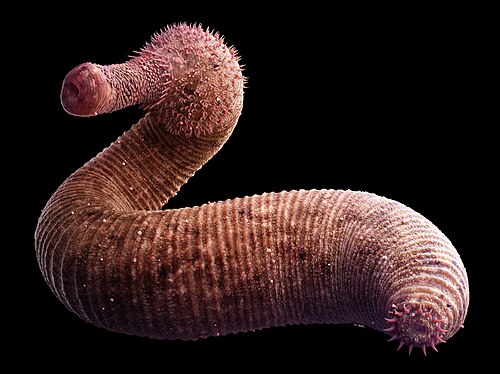
Prey PaleoEquii / CC BY-SA 4.0 · cc-by-sa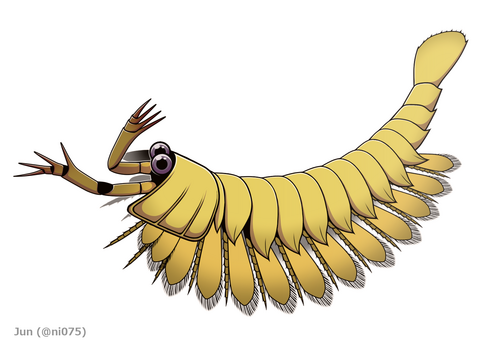
Close Relative Junnn11 / CC BY-SA 4.0 · cc-by-sa Image unavailable
Same Family
Help improve the field guideSomething wrong?
Checking your Fauna account…Report a name, category, or profile issue for review.