
Invertebrate
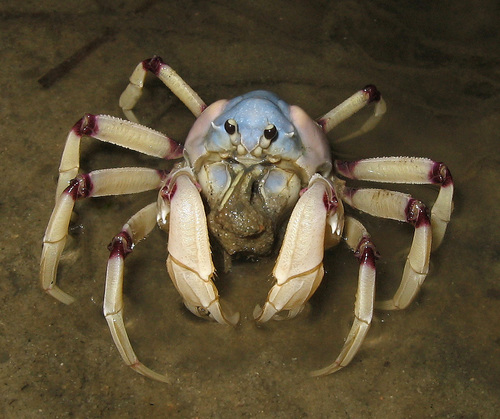
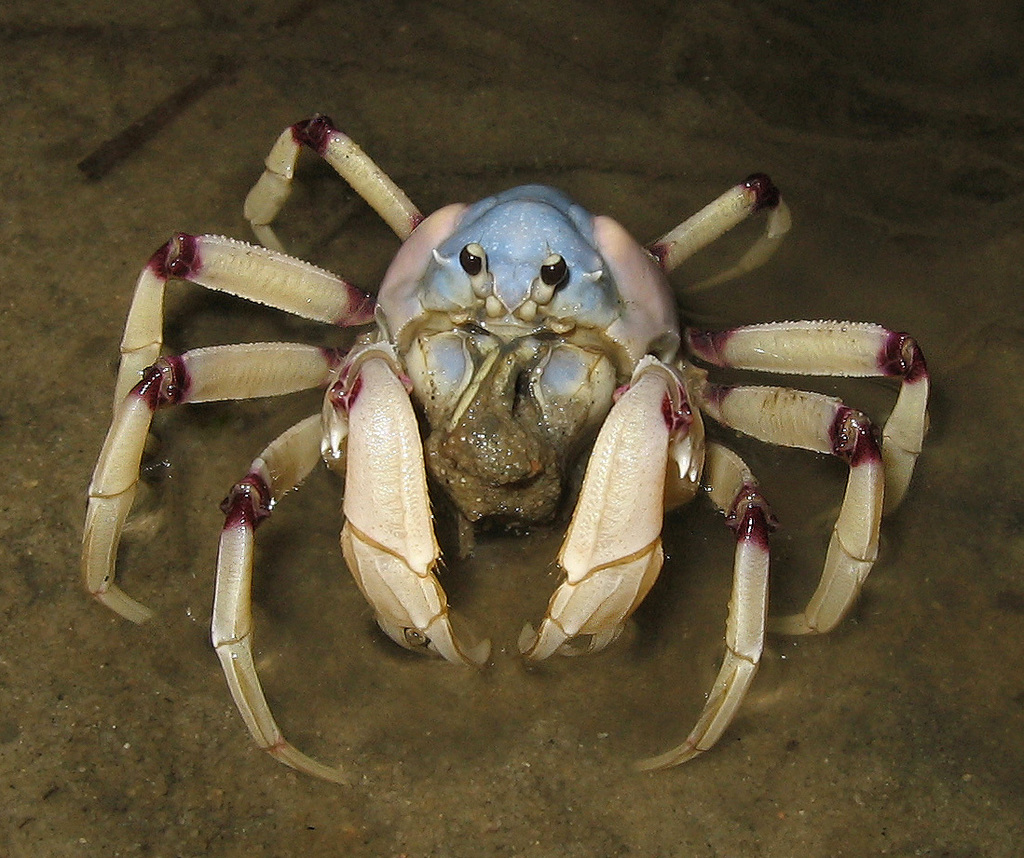
Light-blue Soldier Crab
Mictyris longicarpusAlso known as Soldier Crab
Light-blue soldier crabs emerge in staggering numbers across sheltered tidal flats as the water recedes, marching forward rather than sideways like most typical crabs. Thousands of males gather into synchronized armies that traverse the exposed sediment, scooping up nutrient-rich silt with their vertical claws and discarding clean sand in neat round pellets. When disturbed or as the incoming tide returns, each crab rapidly corkscrews backward into the wet sand, disappearing beneath the surface in seconds.
CrustaceanTidal FlocksForward-Walking
—observations
—countries
—peak records
Not EvaluatedConservation statusIUCN Red List categoriesLCNTVUENCREWEXNot Evaluated — not placed on the risk ladderRed List categories, explained →
Diet & preyBenthic microalgae, Organic detritus, Microscopic meiofauna
Predators
- Eastern Curlew
- Silver Gull
- Toadfish
ThreatsCoastal development, coastal pollution, and disturbance by off-road vehicles
HabitatsSheltered sandy beaches, tidal mudflats, and mangrove estuaries
Life span2–3 years
Classification
- FamilyMictyridae
- SpeciesMictyris longicarpus
Range data is not available yet.
Interaction riskLow
- Low
- Moderate
- High
- Very high
- Why interaction risk is low
- Safe to observe at a normal distance.
Responsible observation
- Low Tide Timing: Visit sheltered sandflats during peak low tide when massive aggregations emerge to feed across open ground.
- Observation Distance: Crouch low and stay still to watch the army resume marching, as sudden steps prompt instant corkscrew burrowing.
- Footwear Care: Tread carefully on wet sand to avoid crushing buried crabs resting just millimeters beneath the surface.
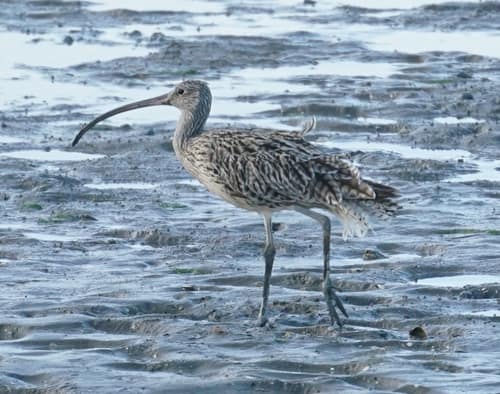
Predator (c) Tim, some rights reserved (CC BY), uploaded by Tim · cc-by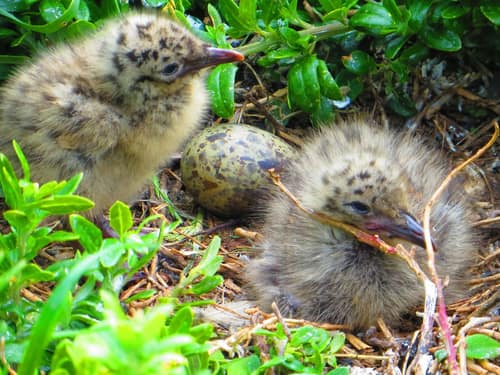
Predator (c) DiverDave, some rights reserved (CC BY-SA) · cc-by-sa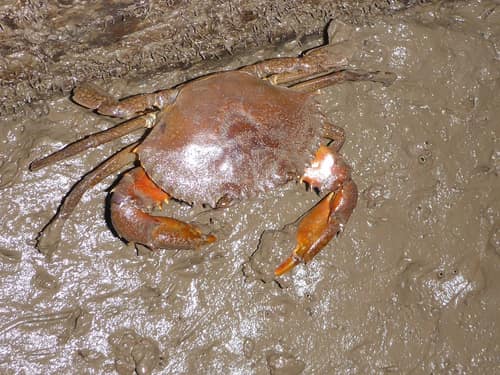
Neighbor "Mud Crab" by darkday. is licensed under CC BY 2.0. To view a copy of this license, visit https://creativecommons.org/licenses/by/2.0/. · cc-by Image unavailable
Close Relative
Help improve the field guideSomething wrong?
Checking your Fauna account…Report a name, category, or profile issue for review.