
Arachnid
Lesser Asian Scorpion
Mesobuthus eupeusAlso known as Mottled Scorpion, Lesser Asian Yellow Scorpion
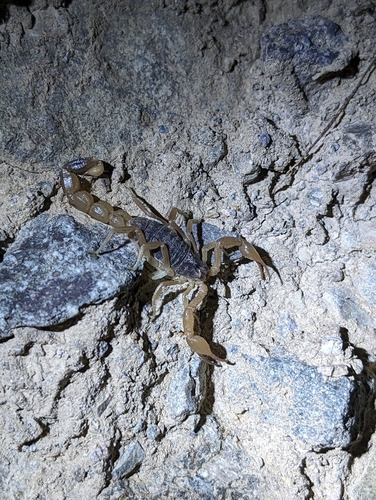
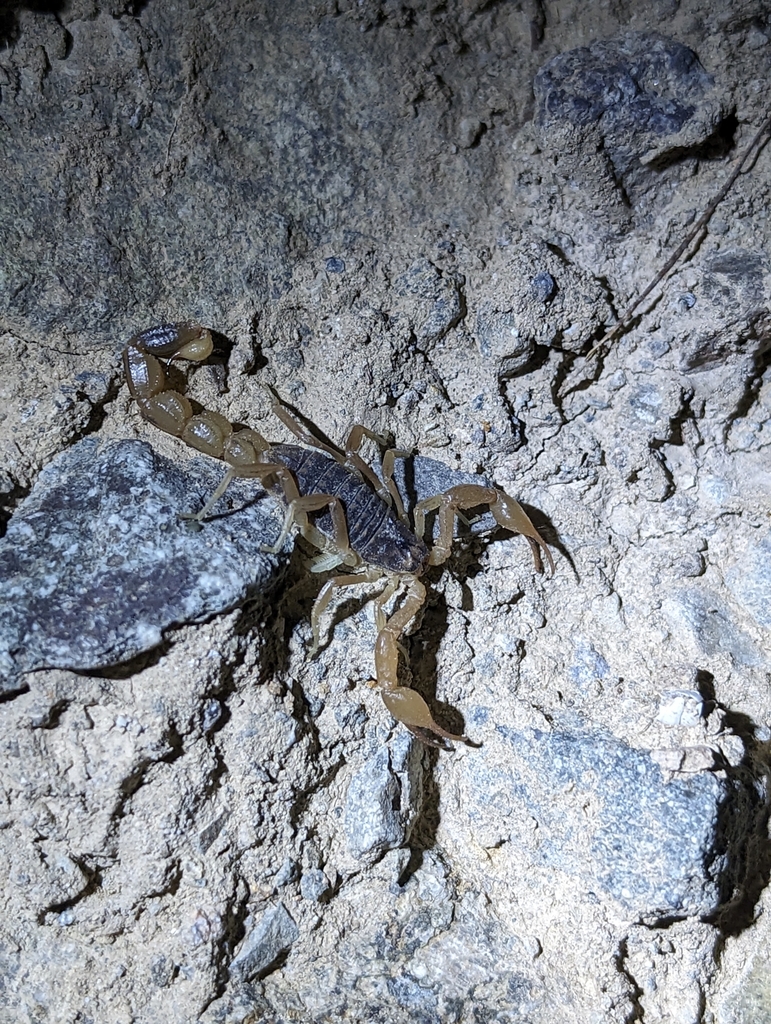
Lesser Asian scorpions roam arid steppes, rocky hillsides, and deserts across vast stretches of Central Asia and the Middle East. Exhibiting a varied yellowish-brown mottled pattern, these compact arachnids remain hidden beneath stones during hot daylight hours before hunting invertebrates after sunset. Females carry fertilized eggs internally and transport newborn scorplings on their backs until the young complete their first molt.
NocturnalVenomousArid
—observations
—countries
—peak records
Not EvaluatedConservation statusIUCN Red List categoriesLCNTVUENCREWEXNot Evaluated — not placed on the risk ladderRed List categories, explained →
Diet & preyCrickets, Spiders, Beetles
Predators
- Lizards
- Owls
- Small mammals
ThreatsHabitat disruption, urbanization
HabitatsDeserts, steppes, scrublands, rocky slopes
Life span3–5 years
Classification
- FamilyButhidae
- SpeciesMesobuthus eupeus
Range data is not available yet.
Interaction riskVery high
- Low
- Moderate
- High
- Very high
- Why interaction risk is very high
- Delivers a painful sting with neurotoxic venom; maintain distance and never flip rocks barehanded.
- Why it is dangerous
- Injects neurotoxic venom through its tail stinger that causes immediate sharp pain, local swelling, and localized burning sensations.
- How to recognize a risky encounter
- Recognizable by a pale yellow to light brown body with faint darker mottling along the back and slender pincers.
- What to do
- Observe from a safe distance and shake out footwear or outdoor gear when exploring arid habitats.
Responsible observation
- Night Spotting: Use an ultraviolet blacklight after dark to reveal their bright fluorescent green glow.
- Terrain Caution: Avoid inserting bare hands beneath stones, wood piles, or deep soil crevices.
Help improve the field guideSomething wrong?
Checking your Fauna account…Report a name, category, or profile issue for review.