
Arachnid
Aceria tosichella
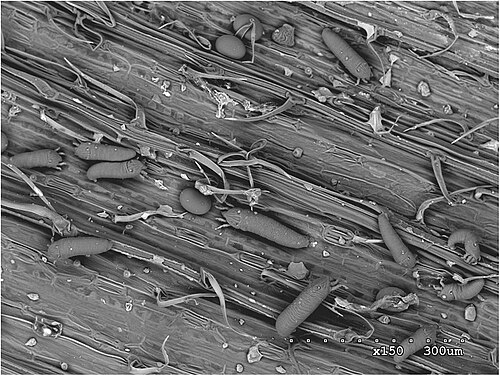
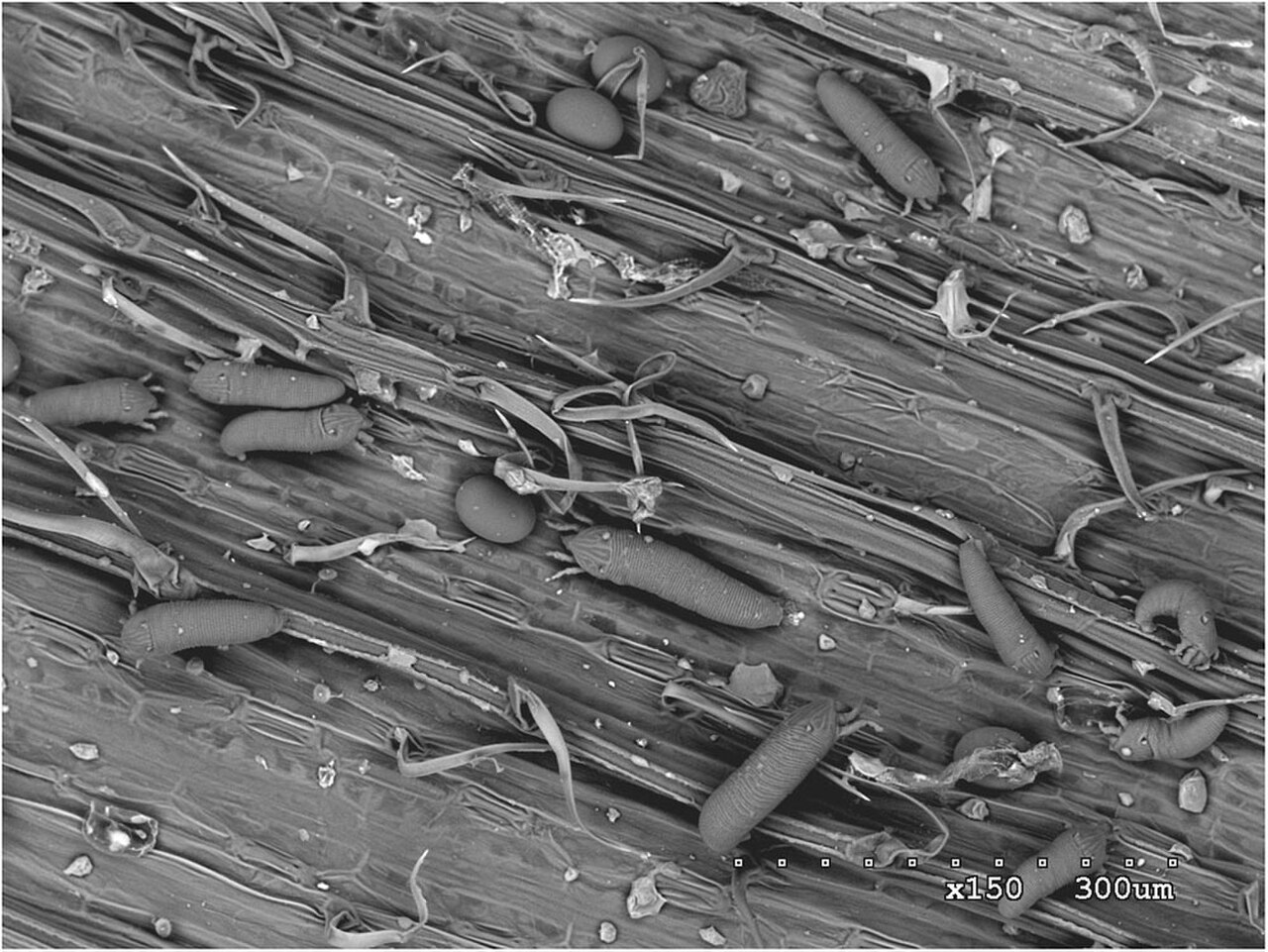
Aceria tosichellaWheat curl mites are microscopic, cigar-shaped arachnids with just four legs that pierce and feed on the tender leaf tissues of cereal crops and wild grasses. As they feed, they cause new leaves to curl tightly inward, creating sheltered pockets where they reproduce rapidly and hitch rides on the wind to colonize neighboring fields. Although barely visible without magnification, they rank among the world's most destructive agricultural pests because they transmit devastating plant viruses such as wheat streak mosaic virus.
MicroscopicAgricultural PestWind-Dispersed
—observations
—countries
—peak records
Not EvaluatedConservation statusIUCN Red List categoriesLCNTVUENCREWEXNot Evaluated — not placed on the risk ladderRed List categories, explained →
Diet & preyWheat, Barley, Wild grasses
Predators
- Predatory mites
- Thrips
- Minute pirate bugs
ThreatsCrop rotation, elimination of volunteer wheat, and predatory mites
HabitatsCereal crop fields, pastures, and grassy field margins
Life span8–10 days from egg to adult in warm conditions; several weeks in cool weather
Classification
- FamilyEriophyidae
- SpeciesAceria tosichella
Range data is not available yet.
Interaction riskLow
- Low
- Moderate
- High
- Very high
- Why interaction risk is low
- Safe to observe at a normal distance; harmless to humans and pets, though a major crop pest.
Responsible observation
- Magnification Needed: Use at least a 10x to 20x hand lens to spot these tiny white mites.
- Check Leaf Curls: Look inside tightly rolled upper wheat leaves, where colonies shelter and feed.
- Field Hygiene: Brush off clothing and boots after visiting infested fields to avoid spreading mites.
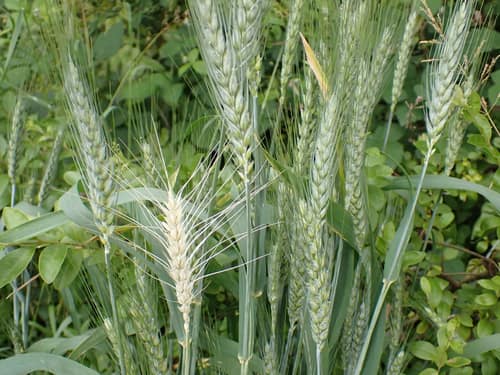
Host Plant (c) Cole Shoemaker, some rights reserved (CC BY), uploaded by Cole Shoemaker · cc-by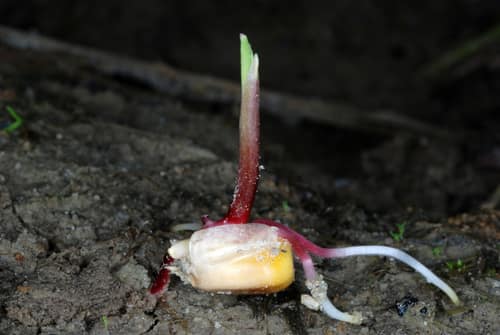
Host Plant (c) Douglas Goldman, some rights reserved (CC BY-SA), uploaded by Douglas Goldman · cc-by-sa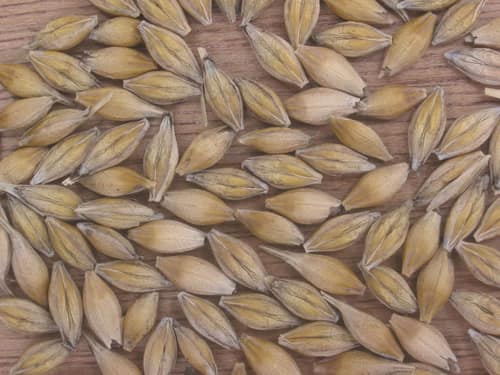
Host Plant (c) Rasbak, some rights reserved (CC BY-SA) · cc-by-sa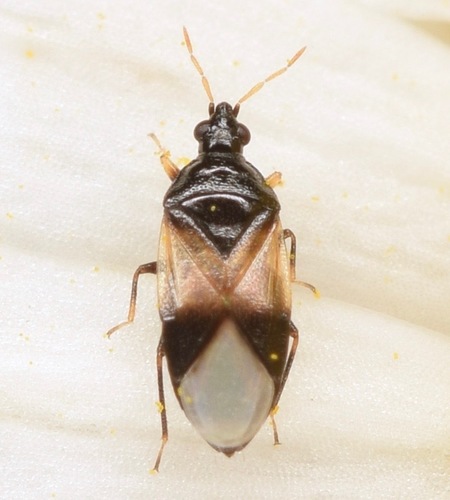
Predator (c) skitterbug, some rights reserved (CC BY), uploaded by skitterbug · cc-by Image unavailable
Close Relative
Help improve the field guideSomething wrong?
Checking your Fauna account…Report a name, category, or profile issue for review.