
Insect
European Peacock Butterfly
Aglais ioAlso known as Peacock Butterfly, European Peacock
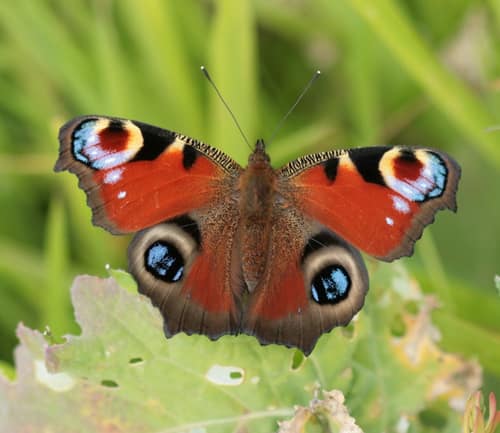
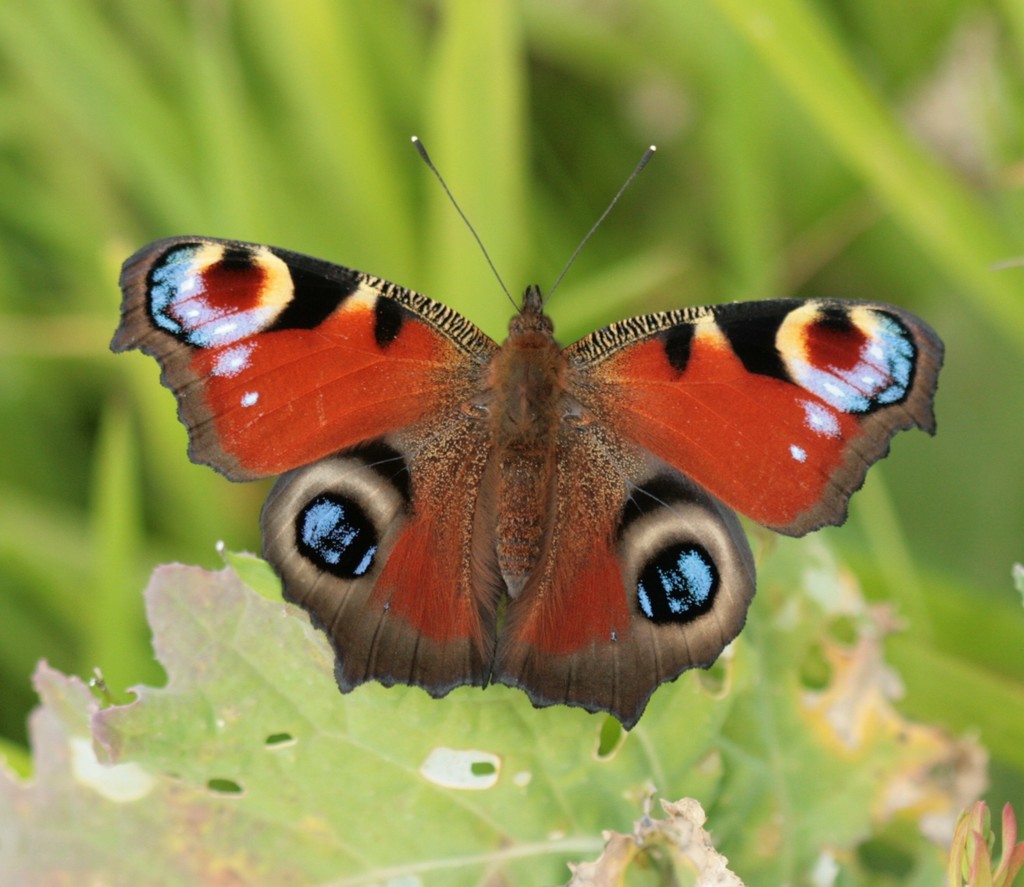
European peacock butterflies display magnificent crimson wings adorned with vivid blue and violet eye spots designed to startle lurking predators. Adults often spend cold winter months in suspended animation inside hollow trees or rustic sheds, emerging on warm spring days to feed on early blossoms. Black, spiky caterpillars feed gregariously in silk webs constructed across sunny stands of stinging nettles.
ColorfulPollinatorOverwintering
—observations
—countries
—peak records
Least ConcernConservation statusIUCN Red List categoriesLCNTVUENCREWEXLeast ConcernRed List categories, explained →
Diet & preyStinging nettle leaves, Flower nectar, Rotting fruit sap
Predators
- Blue tits
- Mice
- Spiders
ThreatsPesticide spraying, removal of stinging nettles, and loss of winter roosts
HabitatsMeadows, gardens, woodland edges, hedgerows, and parks
Life spanUp to 11 months
Classification
- OrderLepidoptera
- FamilyNymphalidae
- GenusAglais
- SpeciesAglais io
Range data is not available yet.
Interaction riskLow
- Low
- Moderate
- High
- Very high
- Why interaction risk is low
- Safe to observe at a normal distance.
Responsible observation
- Spring Flowers: Plant early nectar sources like aubrieta and dandelion to nourish emerging post-hibernation adults.
- Nettle Patches: Preserve sunny stands of nettles in garden corners to create vital breeding grounds for caterpillars.
- Quiet Approach: Move slowly without casting a shadow across basking butterflies, as sudden dark shapes trigger flight.
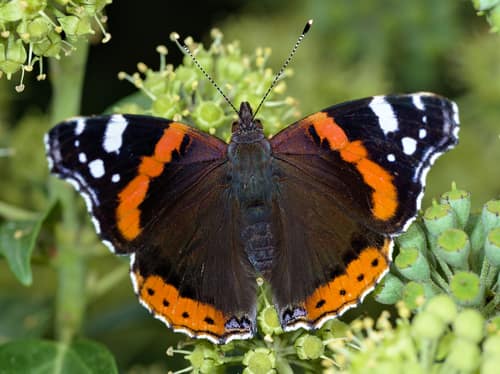
Nymphalid Cousin (c) Gilles San Martin, some rights reserved (CC BY-SA), uploaded by Gilles San Martin · cc-by-sa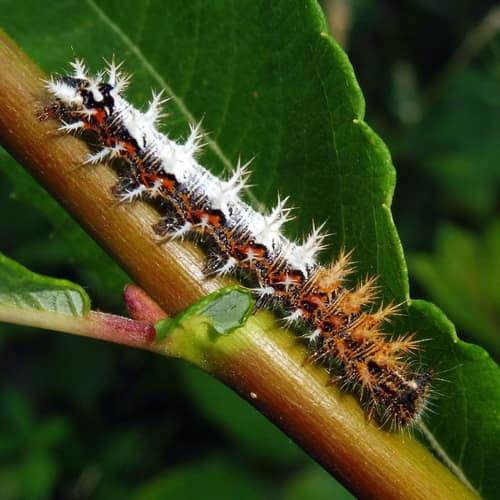
Overwintering Companion (c) Barry Walter, some rights reserved (CC BY), uploaded by Barry Walter · cc-by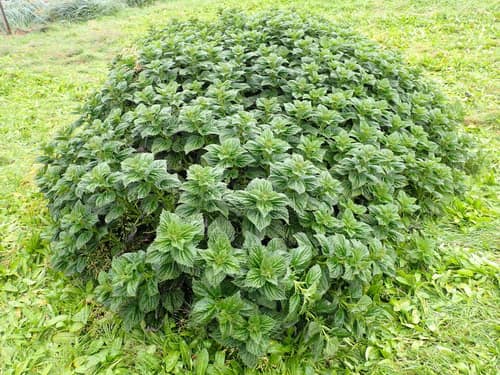
Host Plant no rights reserved, uploaded by georgiasteel · cc0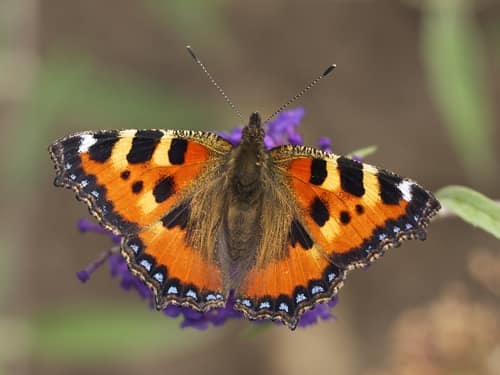
Close Relative (c) Jörg Hempel, some rights reserved (CC BY-SA) · cc-by-sa
Keep collecting in Fauna
Found in Collections
Ecosystem chain Pro
Mystic Meadows
European Peacock Butterfly is found in this collection. Identify it in Fauna to fill this slot and continue your progress.
Unlock to track progress
Help improve the field guideSomething wrong?
Checking your Fauna account…Report a name, category, or profile issue for review.