
Insect
European Firebug
Pyrrhocoris apterusAlso known as Firebug, Red Soldier Bug, Linden Bug
European firebugs gather in dense, sun-drenched clusters along the base of linden trees and mallow stems, forming vibrant patches of crimson and black. Their bold, mask-like patterns serve as aposematic warning coloration, signaling foul-tasting chemical defenses derived from their diet. Mating pairs often remain conjoined back-to-back for hours or even days, ensuring reproductive success while still moving together across the leaf litter.
GregariousAposematicTrue Bug
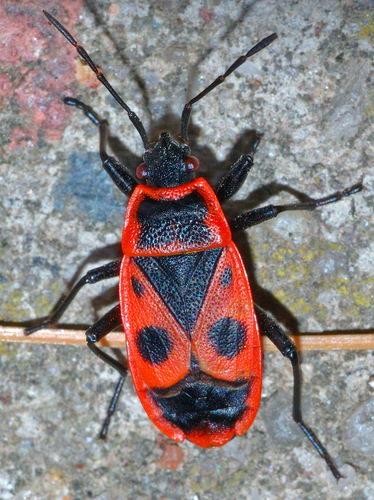
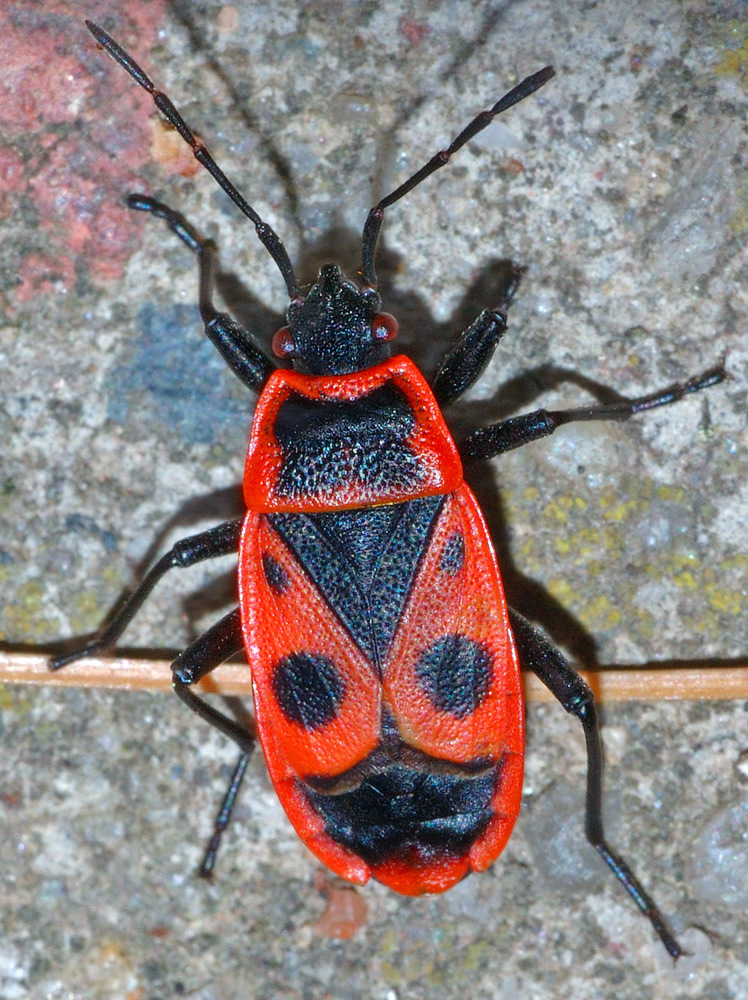
—observations
—countries
—peak records
Not EvaluatedConservation statusIUCN Red List categoriesLCNTVUENCREWEXNot Evaluated — not placed on the risk ladderRed List categories, explained →
Diet & preyLinden tree seeds, Mallow seeds, Dead invertebrates
Predators
- Jumping spiders
- Wolf spiders
- Insectivorous birds
ThreatsPesticide application and intense habitat clearance
HabitatsParks, gardens, woodland edges, and sunny roadsides
Life span1–2 years
Classification
- OrderHemiptera
- FamilyPyrrhocoridae
- GenusPyrrhocoris
- SpeciesPyrrhocoris apterus
Range data is not available yet.
Interaction riskLow
- Low
- Moderate
- High
- Very high
- Why interaction risk is low
- Harmless to humans and pets; safe to observe closely.
Responsible observation
- Look near tree trunks: Check the south-facing bases of linden trees on warm, sunny spring afternoons.
- Watch mating behavior: Observe conjoined pairs walking in tandem across paths and tree bark.
- Gentle observation: Approach slowly without casting sudden shadows to avoid scattering the resting cluster.
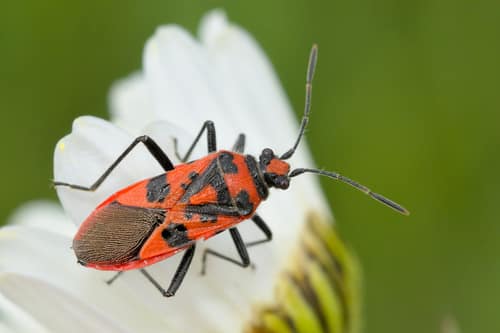
Look-alike (c) Gilles San Martin, some rights reserved (CC BY-SA), uploaded by Gilles San Martin · cc-by-sa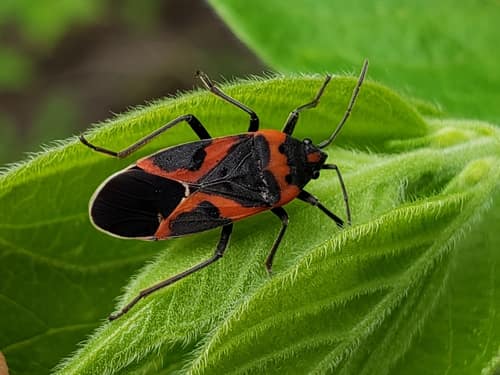
Ecological Counterpart (c) Tyler Bishop, some rights reserved (CC BY), uploaded by Tyler Bishop · cc-by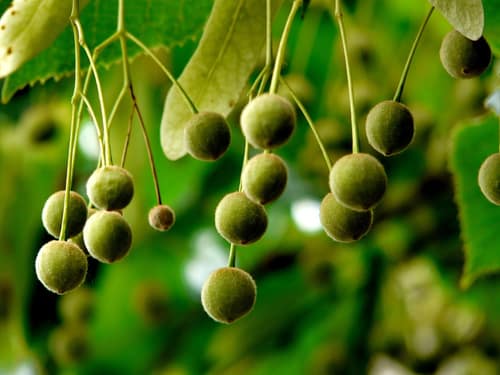
Host Plant (c) Alreadyexist, some rights reserved (CC BY-SA) · cc-by-sa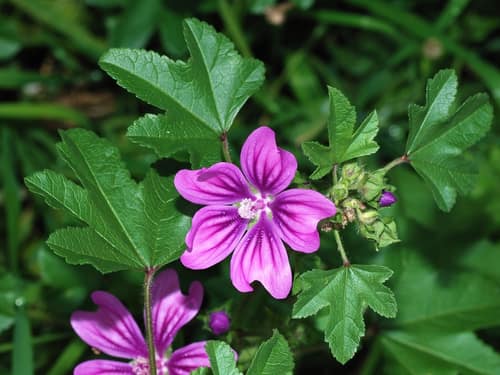
Host Plant (c) Alvesgaspar, some rights reserved (CC BY-SA) · cc-by-sa
Help improve the field guideSomething wrong?
Checking your Fauna account…Report a name, category, or profile issue for review.