
Insect · GBIF taxon 4481232
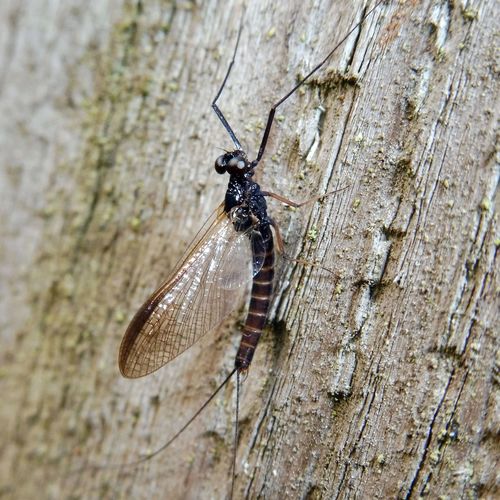
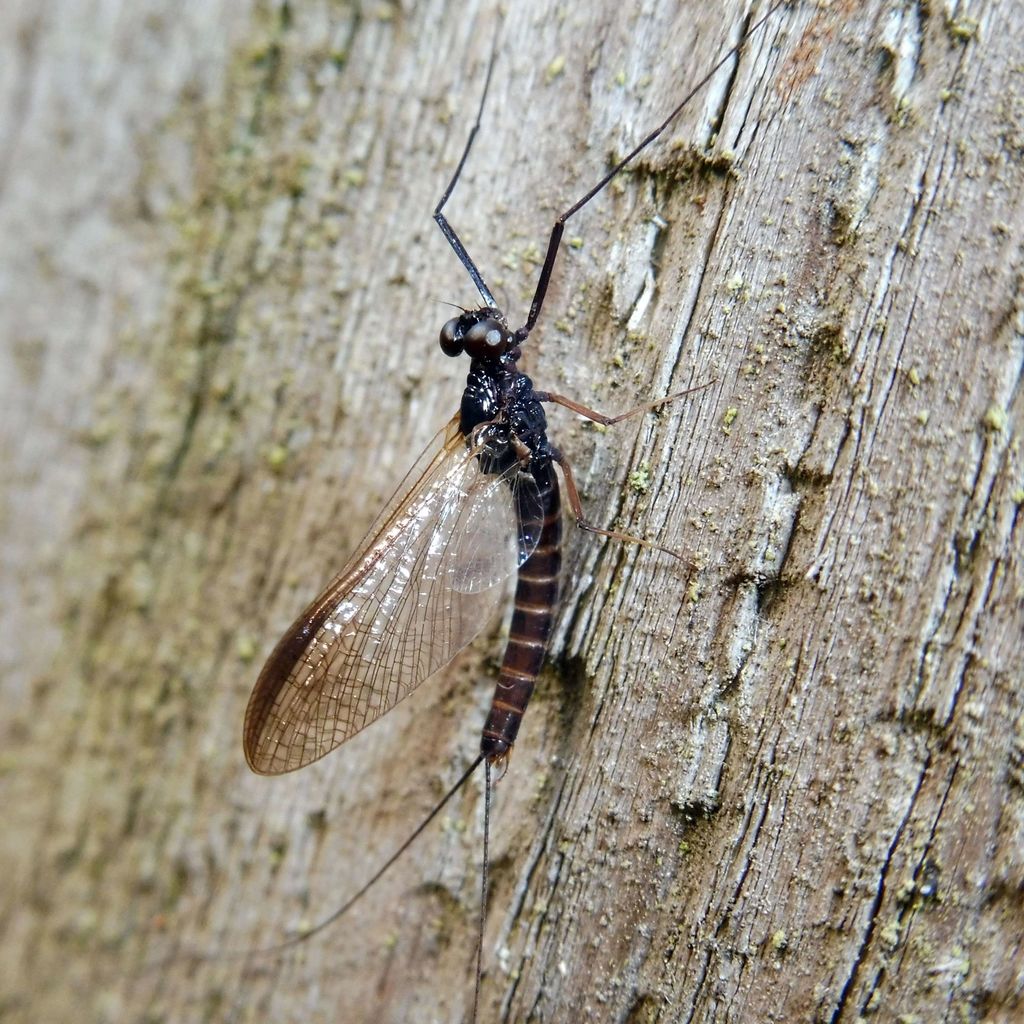
Sepia Dun
Leptophlebia marginataAlso known as Sepia Mayfly
Sepia duns inhabit quiet lakes, ponds, and low-gradient streams where nymphs crawl among submerged vegetation and leaf litter. In spring, mature nymphs float to the surface film to shed their aquatic skins, emerging as cloudy-winged subimagines before undergoing a rare secondary molt into glossy, clear-winged adults. Mating swarms assemble in dancing clouds over shoreline foliage during calm afternoons, with females dropping egg clusters directly onto open water before their brief adult lives conclude.
AquaticEphemeralBioindicator
—observations
—countries
—peak records
Least ConcernConservation statusIUCN Red List categoriesLCNTVUENCREWEXLeast ConcernRed List categories, explained →
Diet & prey
- Benthic Diatoms
- Decomposing Plant Matter
- Freshwater Microbes
Predators
- Brown Trout
- Barn Swallow
- Common Dragonfly
ThreatsWater pollution, shoreline development, and siltation
HabitatsLakes, peat bogs, ponds, and slow-moving streams
Life spanApproximately 1 year as nymph; 1–3 days as winged adult
Classification
- FamilyLeptophlebiidae
- SpeciesLeptophlebia marginata
Range data is not available yet.
Interaction riskLow
- Low
- Moderate
- High
- Very high
- Why interaction risk is low
- Harmless aquatic insect; safe to observe up close.
Responsible observation
- Timing your visit: Watch quiet lake margins and sheltered bays on calm spring afternoons when adults swarm over shoreline bushes.
- Gentle observation: Approach perched subimagines quietly; their delicate wings and cerci damage easily if touched.
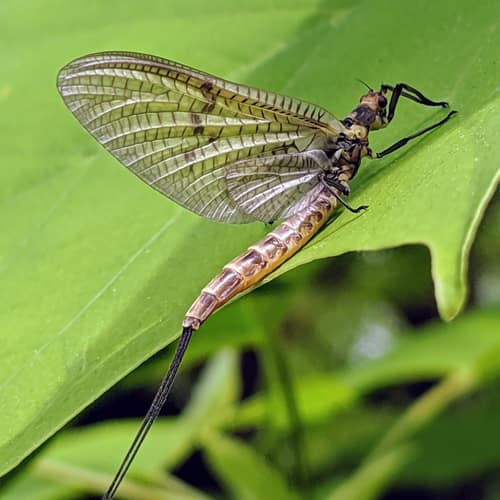
Ecological Neighbor (c) Attila Oláh, some rights reserved (CC BY), uploaded by Attila Oláh · cc-by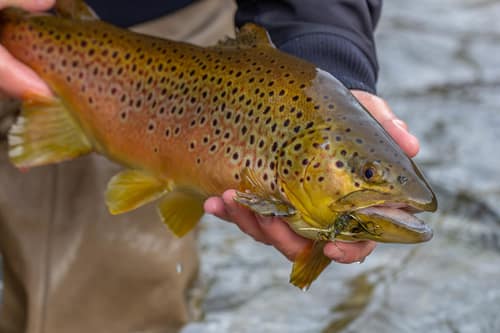
Predator (c) kirk gardner, some rights reserved (CC BY), uploaded by kirk gardner · cc-by Image unavailable
Close Relative
Help improve the field guideSomething wrong?
Checking your Fauna account…Report a name, category, or profile issue for review.