
Insect · GBIF taxon 4452252
22-spot Ladybird
Psyllobora vigintiduopunctataAlso known as Twenty-two-spot Ladybird, 22-spotted Ladybird, 22-spotted Ladybug, Twenty-two Spotted Ladybird
Bright lemon-yellow wing covers patterned with exactly twenty-two bold black spots distinguish this small beetle from its predatory kin. Unlike most ladybirds that hunt aphids, both adults and larvae browse exclusively on powdery mildew coating the leaves of low plants, trees, and shrubs. During warm summer days, they flit actively across sunlit foliage, helping control fungal outbreaks in natural ecosystems.
FungivorousBright YellowBeetle
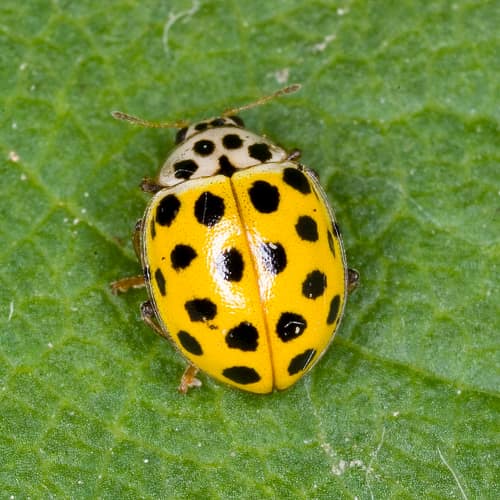
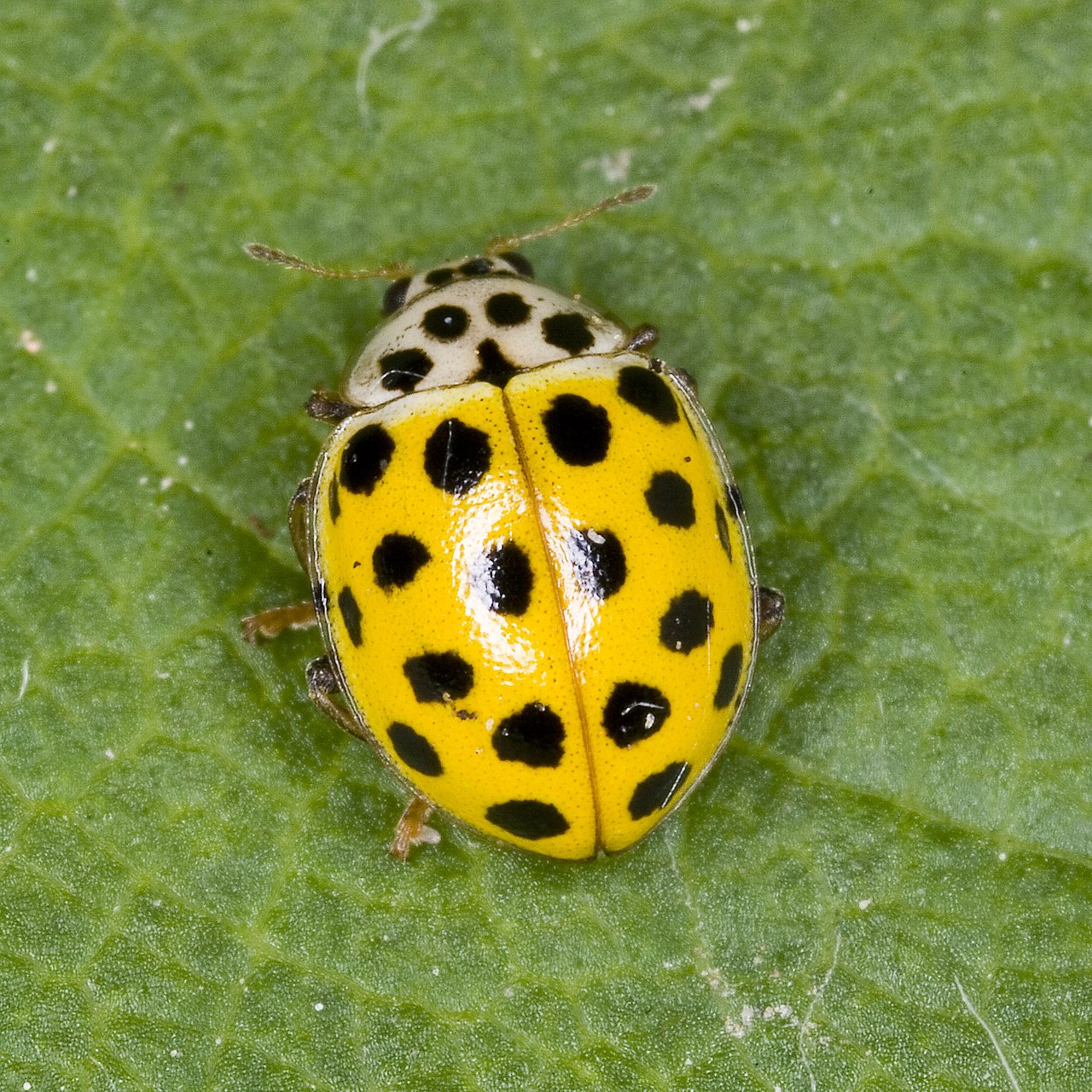
Licensed referenceOlei / CC BY-SA 3.0 · cc-by-sa
—observations
—countries
—peak records
Least ConcernConservation statusIUCN Red List categoriesLCNTVUENCREWEXLeast ConcernRed List categories, explained →
Diet & prey
- Powdery mildew
- Fungal hyphae
- Fungal spores
Predators
- Birds
- Spiders
- Predatory bugs
ThreatsFungicide overuse and loss of grassland edge habitats
HabitatsGrasslands, gardens, hedgerows, forest edges
Life span1–2 years
Size / weightNot available
Classification
- OrderColeoptera
- FamilyCoccinellidae
- GenusPsyllobora
- SpeciesPsyllobora vigintiduopunctata
Range data is not available yet.
Interaction riskLow
- Low
- Moderate
- High
- Very high
- Why interaction risk is low
- Safe to observe at a normal distance.
Responsible observation
- Best Viewing Time: Search low shrubs and herbaceous plants on warm sunny summer afternoons.
- Leaf Inspection: Look closely at mildew-dusted foliage where adults actively feed on fungal spores.
- Gentle Observation: Avoid squeezing or disturbing, as ladybirds emit a bitter defensive fluid when stressed.
 Image unavailable
Fungivorous Kin 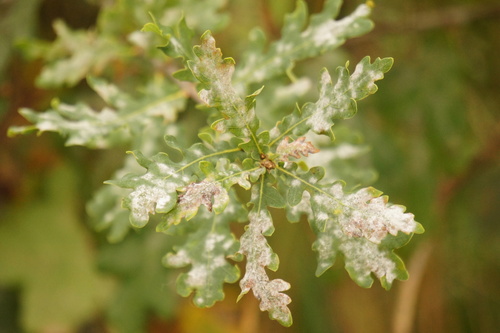
Food Source (c) Alex Press, some rights reserved (CC BY), uploaded by Alex Press · cc-by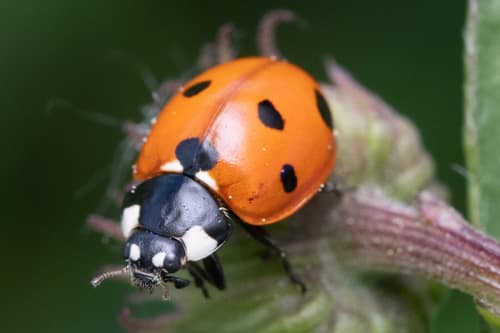
Close Relative (c) Casey H. Richart, some rights reserved (CC BY), uploaded by Casey H. Richart · cc-by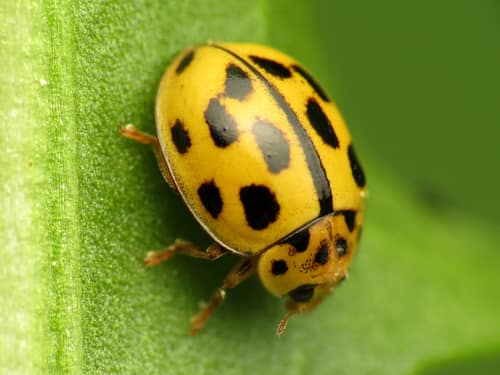
Close Relative (c) Katja Schulz, some rights reserved (CC BY) · cc-by
Keep collecting in Fauna
Found in Collections
Ecosystem chain Pro
Mystic Meadows
22-spot Ladybird is found in this collection. Identify it in Fauna to fill this slot and continue your progress.
Unlock to track progress
Help improve the field guideSomething wrong?
Checking your Fauna account…Report a name, category, or profile issue for review.