
Invertebrate
Red Earthworm
Lumbricus rubellusAlso known as Red Marsh Worm, Red Worm, Humus Worm, Leaf Worm
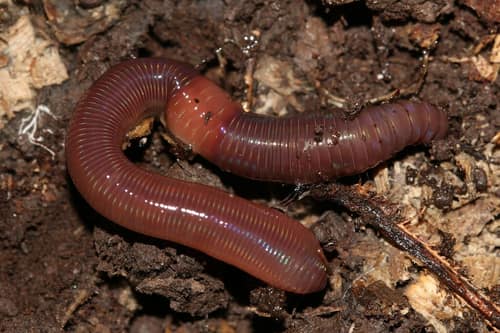
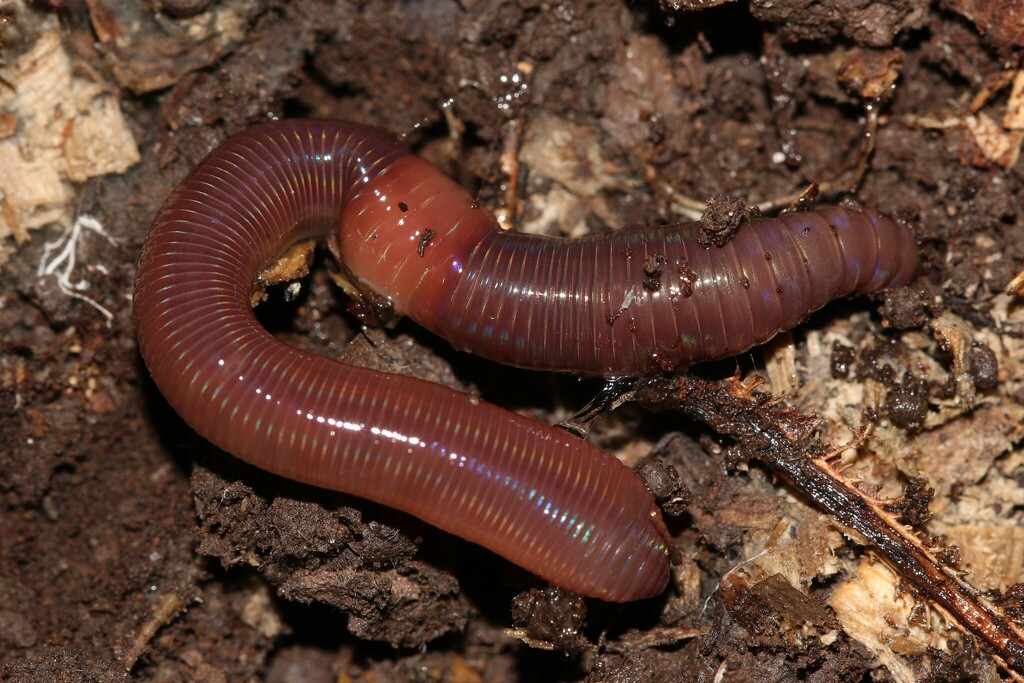
Red earthworms inhabit upper soil horizons and rich leaf litter, rapidly breaking down organic detritus into fertile humus. Dorsally iridescent with deep reddish-purple tones, these active epigeic burrowers quickly retreat beneath foliage when exposed to light. Their continuous feeding and casting enrich topsoil, driving nutrient cycling across gardens, forests, and damp pastures.
DecomposerSubterraneanNocturnal
—observations
—countries
—peak records
Not EvaluatedConservation statusIUCN Red List categoriesLCNTVUENCREWEXNot Evaluated — not placed on the risk ladderRed List categories, explained →
Diet & preyDecaying Plant Matter, Soil Microbes, Fungal Spores
Predators
- American Robin
- Common Toad
- European Mole
ThreatsChemical Pesticides, Soil Contamination, Extended Drought
HabitatsLeaf Litter, Topsoil, Compost, Grasslands
Life span1–3 years
Classification
- OrderCrassiclitellata
- FamilyLumbricidae
- GenusLumbricus
- SpeciesLumbricus rubellus
Range data is not available yet.
Interaction riskLow
- Low
- Moderate
- High
- Very high
- Why interaction risk is low
- Safe to observe at a normal distance.
Responsible observation
- Habitat Care: Maintain thick organic mulch layers to encourage active soil surface feeding.
- Gentle Handling: Pick up gently with damp hands or a soft leaf to avoid drying out their skin.
- Night Spotting: Scan garden beds after rain with a dim light to observe surface movement.

Ecological Competitor (c) Steve Kerr, some rights reserved (CC BY), uploaded by Steve Kerr · cc-by
Similar Soil Inhabitant Trevor Reid / CC BY-SA 4.0 · cc-by-sa
Close Relative (c) alicia penney, some rights reserved (CC BY), uploaded by alicia penney · cc-by
Keep collecting in Fauna
Found in Collections
Ecosystem chain
The Forest Floor
Red Earthworm is found in this collection. Identify it in Fauna to fill this slot and continue your progress.
—/12
Help improve the field guideSomething wrong?
Checking your Fauna account…Report a name, category, or profile issue for review.