
Invertebrate
Common Earthworm
Lumbricus terrestrisAlso known as Nightcrawler, Dew Worm, Lob Worm, Rainworm
Nightcrawlers construct permanent vertical burrows extending over a meter into the ground, pulling leaf litter down to feed on decaying plant matter and soil microbes. Their extensive tunneling aerates soil, improves water infiltration, and recycles vital nutrients across terrestrial ecosystems. During damp nights, individuals emerge onto the surface to feed and mate, retreating underground before dawn.
SubterraneanNocturnalDecomposer


—observations
—countries
—peak records
Least ConcernConservation statusIUCN Red List categoriesLCNTVUENCREWEXLeast ConcernRed List categories, explained →
Diet & preyDecaying Leaves, Soil Microbes, Organic Matter
Predators
- Robins
- Moles
- Toads
ThreatsChemical pesticides, severe soil compaction, and intensive tillage
HabitatsMoist soils, gardens, agricultural land, and temperate forests
Life span4–8 years
Classification
- OrderCrassiclitellata
- FamilyLumbricidae
- GenusLumbricus
- SpeciesLumbricus terrestris
Range data is not available yet.
Interaction riskLow
- Low
- Moderate
- High
- Very high
- Why interaction risk is low
- Safe to observe at a normal distance.
Responsible observation
- Gentle Handling: Pick up carefully with moist hands to prevent drying out their permeable skin.
- Nighttime Spotting: Search lawns after rain at night using a red-filtered light to avoid startling them.
- Habitat Protection: Avoid heavy stepping on wet soil to preserve fragile surface burrows.
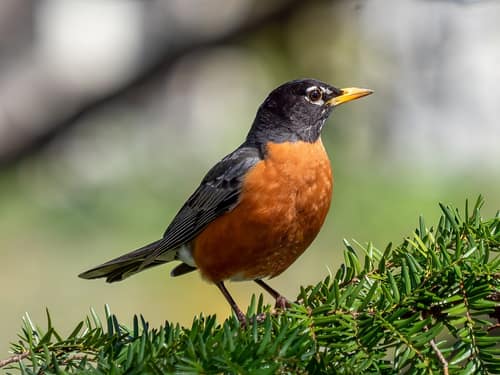
Predator Rhododendrites / CC BY-SA 4.0 · cc-by-sa
Close Relative (c) Steve Kerr, some rights reserved (CC BY), uploaded by Steve Kerr · cc-by
Close Relative Trevor Reid / CC BY-SA 4.0 · cc-by-sa
Keep collecting in Fauna
Found in Collections
Ecosystem chain
The Forest Floor
Common Earthworm is found in this collection. Identify it in Fauna to fill this slot and continue your progress.
—/12
Help improve the field guideSomething wrong?
Checking your Fauna account…Report a name, category, or profile issue for review.