
Bird
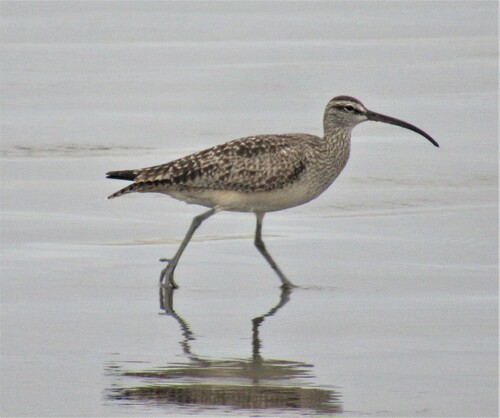
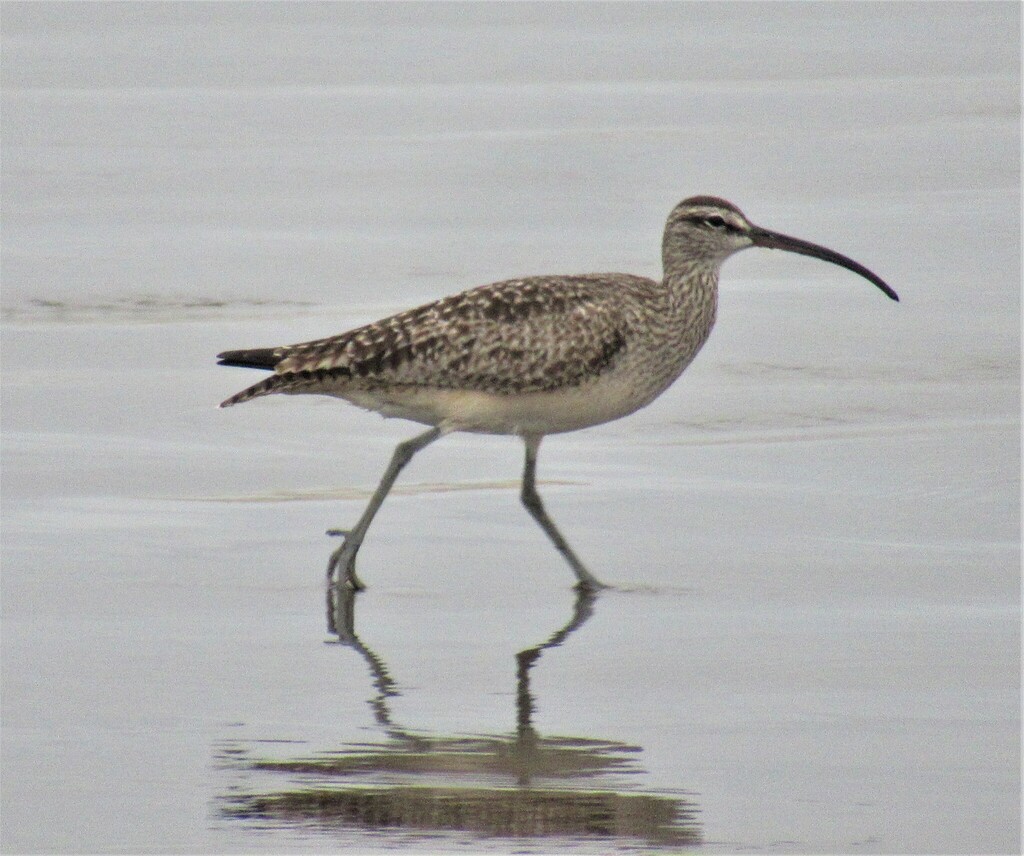
Hudsonian Whimbrel
Numenius hudsonicusAlso known as Hudsonian Curlew, American Whimbrel
Hudsonian whimbrels undertake legendary non-stop oceanic migrations across thousands of kilometers between subarctic breeding tundras and coastal wintering grounds in South America. On mudflats and rocky shorelines, they probe deep into burrows using their long, decurved bills with specialized flexible tips that extract crabs and marine worms with surgical precision. During late summer staging, their diet shifts almost entirely to crowberries and blueberries, allowing them to rapidly double their body mass before embarking on arduous overwater journeys.
ShorebirdMigratoryCoastal
—observations
—countries
—peak records
Least ConcernConservation statusIUCN Red List categoriesLCNTVUENCREWEXLeast ConcernRed List categories, explained →
Diet & preyFiddler Crab, Marine Worm, Crowberry
Predators
- Peregrine Falcon
- Gyrfalcon
- Arctic Fox
ThreatsCoastal wetland habitat loss, sea-level rise, human disturbance on staging areas, and illegal hunting on migration routes
HabitatsSubarctic tundra, tidal mudflats, sandy beaches, rocky coastlines, and salt marshes
Life span10–15 years
Classification
- OrderCharadriiformes
- FamilyScolopacidae
- GenusNumenius
- SpeciesNumenius hudsonicus
Range data is not available yet.
Interaction riskLow
- Low
- Moderate
- High
- Very high
- Why interaction risk is low
- Safe to observe at a normal distance.
- What to notice
- Look for a mottled grayish-brown wader with prominent dark crown stripes, a pale central crown stripe, and a distinctive downcurved bill.
- Support conservation
- Keep at least 50 meters back on foraging grounds and keep leashed pets off high-tide roosts to prevent energetically costly flight flushes.
Responsible observation
- Field Glass Etiquette: Use a spotting scope from high-tide perches to avoid flushing foraging flocks.
- Tidal Timing: Scout exposed mudflats during falling tides when birds actively hunt burrowing crabs.
- Vocalization Cues: Listen for a distinctive, rapid whinny of five to seven whistling notes across beaches.
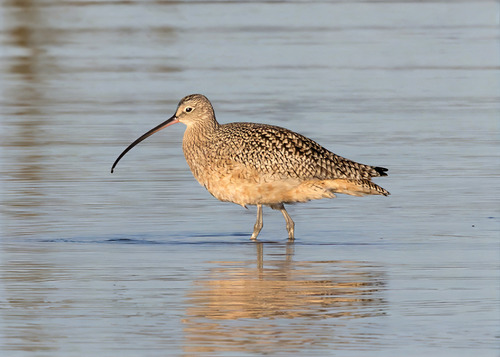
Same Genus (c) Timothy McNitt, some rights reserved (CC BY) · cc-by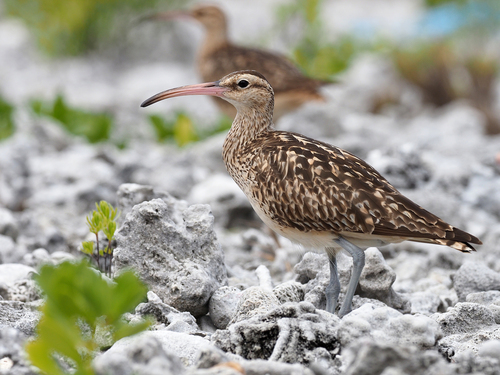
Same Genus no rights reserved, uploaded by James Eaton · cc0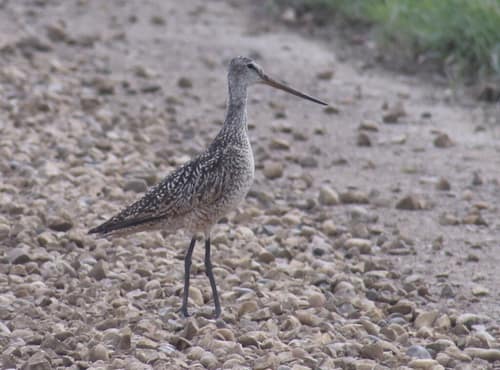
Frequent Companion (c) Sean Frey, some rights reserved (CC BY) · cc-by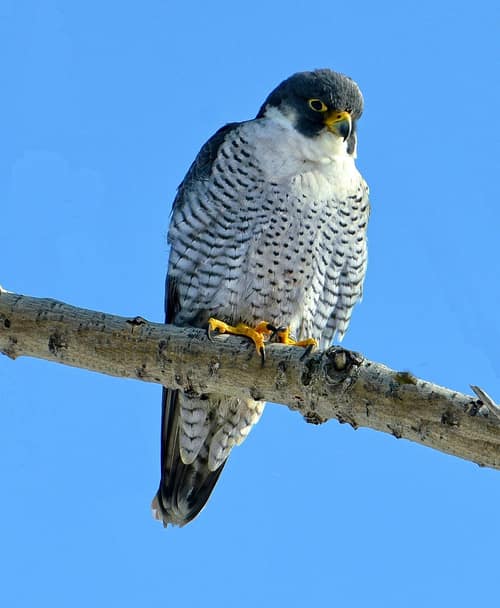
Predator Mykola Swarnyk / CC BY-SA 3.0 · cc-by-sa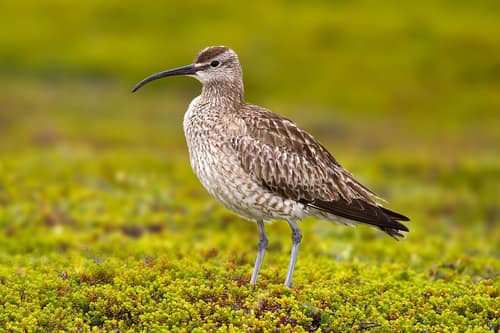
Close Relative Andreas Trepte / CC BY-SA 2.5 · cc-by-sa
Help improve the field guideSomething wrong?
Checking your Fauna account…Report a name, category, or profile issue for review.