
Bird · GBIF taxon 4408498
Corncrake
Crex crexAlso known as Corn Crake, Landrail
Corncrakes spend their lives hidden within tall vegetation, relying on dense hay meadows and marshy pastures for cover. Males advertise their presence at night with a persistent, rasping double-creak call that can carry over a kilometer across the countryside. Their long-distance migration takes them from Eurasian breeding grounds all the way to wintering habitats in southeastern Africa.
MigratoryElusiveGrassland
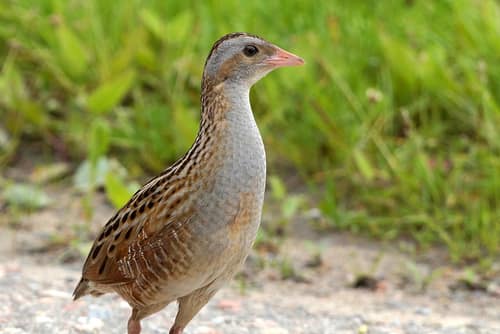
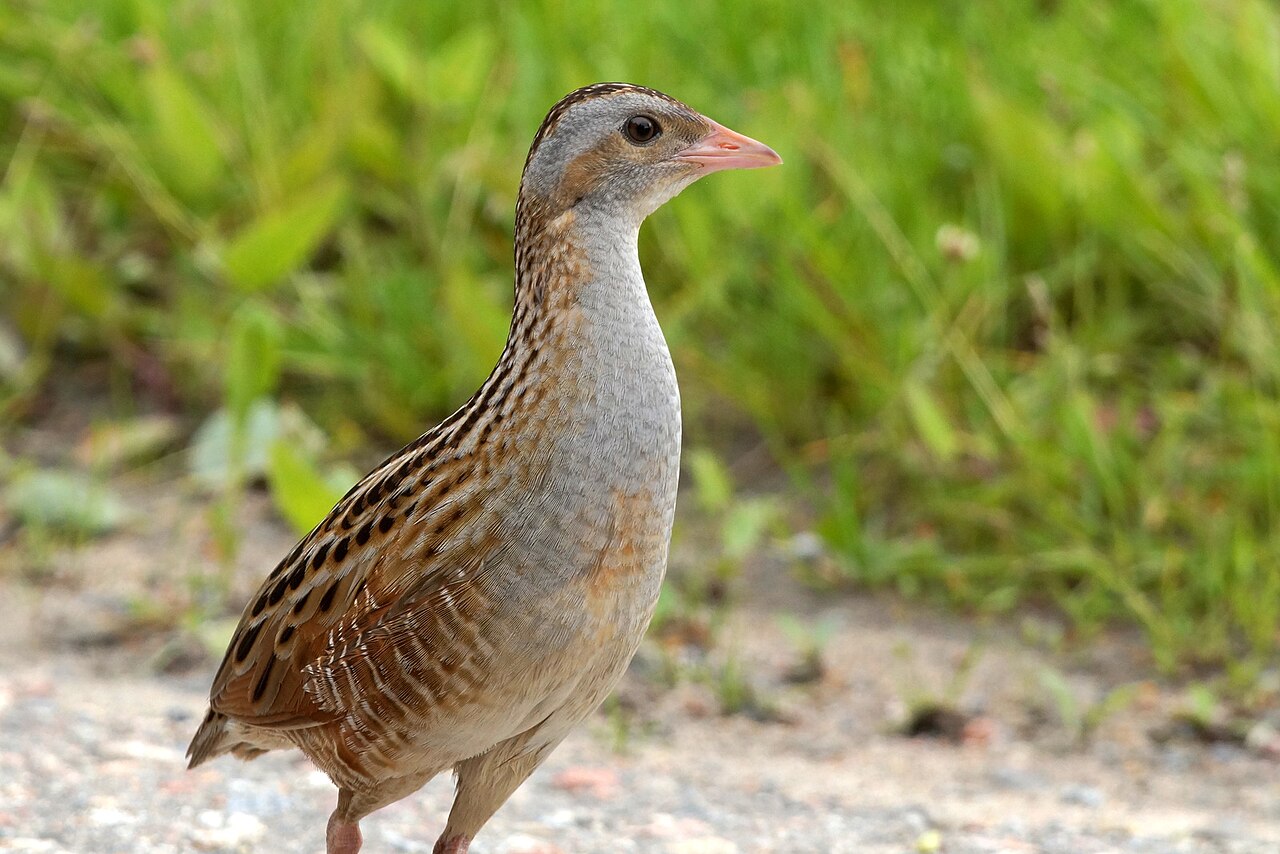
—observations
—countries
—peak records
Least ConcernConservation statusIUCN Red List categoriesLCNTVUENCREWEXLeast ConcernRed List categories, explained →
Diet & prey
- Earthworms
- Beetles
- Snails
Predators
- Red foxes
- Feral cats
- Harriers
ThreatsEarly mechanized mowing, habitat destruction, agricultural intensification
HabitatsHay meadows, tall grasslands, agricultural fields
Life span2–5 years
Size / weightNot available
Classification
- FamilyRallidae
- SpeciesCrex crex
Range data is not available yet.
Interaction riskLow
- Low
- Moderate
- High
- Very high
- Why interaction risk is low
- Safe to observe at a normal distance.
- What to notice
- Recognized by its distinctive rasping krek krek call at night and chestnut wing patches during brief flights.
- Support conservation
- Remain on marked roads and trails near breeding meadows to avoid stepping on nests or disturbing brooding birds.
Responsible observation
- Listen at Dusk: Males call continuously through the night during spring, making vocal surveys the best detection method.
- Stay on Paths: Avoid entering tall grass or hayfields during the breeding season to prevent nest destruction.
- Scan Meadow Edges: Patience along undisturbed field boundaries early in the morning may reward observers with a rare view.
 Image unavailable
Co-occurring Rail Close Relative 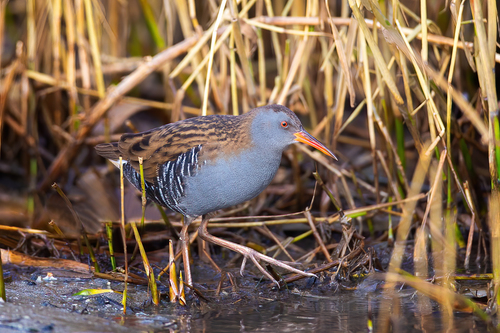
Family Relative (c) egorbirder, some rights reserved (CC BY) · cc-by
Help improve the field guideSomething wrong?
Checking your Fauna account…Report a name, category, or profile issue for review.