
Insect · GBIF taxon 4403016
Leptophyes intermedia
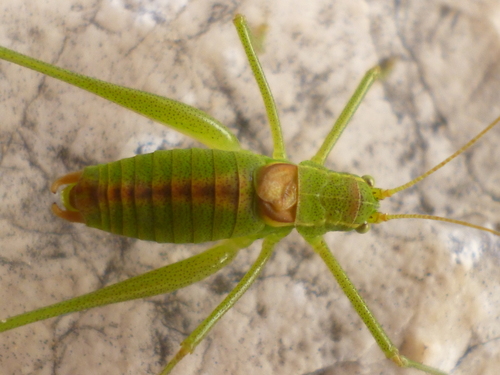
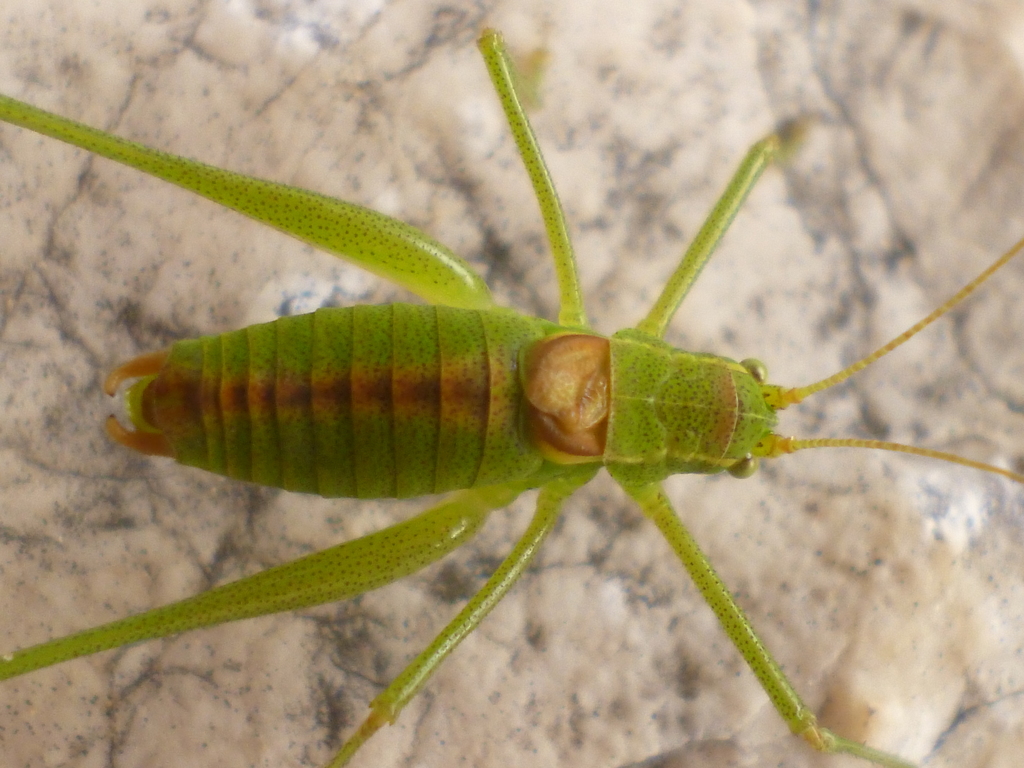
Leptophyes intermediaIntermediate bush-crickets inhabit sunny scrublands and forest edges across the Balkan Peninsula, blending invisibly into broadleaf foliage with their speckled, lime-green bodies. Males communicate through quiet, ultrasonic chirps produced by rubbing microscopic pegs on their reduced forewings. Females use a sharp, laterally flattened ovipositor to slice into plant stems and bark crevices where they deposit overwintering eggs.
CamouflagedHerbivorousMontane
 1 / 4
1 / 4—observations
—countries
—peak records
Near ThreatenedConservation statusIUCN Red List categoriesLCNTVUENCREWEXNear ThreatenedRed List categories, explained →
Diet & prey
- Deciduous foliage
- Flower blossoms
- Pollen grains
Predators
- Insectivorous birds
- Lizards
- Spiders
ThreatsHabitat fragmentation, agricultural intensification, overgrazing, and wildfires
HabitatsSubalpine scrub, forest clearings, meadows, and shrubby hillsides
Life span6–10 months
Size / weightNot available
Classification
- FamilyTettigoniidae
- SpeciesLeptophyes intermedia
Range data is not available yet.
Interaction riskLow
- Low
- Moderate
- High
- Very high
- Why interaction risk is low
- Safe to observe at a normal distance.
- What to notice
- Recognize this insect by its flightless, finely dotted bright green body, long antennae, and vestigial wings in Balkan scrublands.
- Support conservation
- Observe without trampling delicate subalpine shrubs or disturbing foliage, and avoid capturing individuals.
Responsible observation
- Listening Carefully: Their acoustic calls are faint and largely ultrasonic, so use an ultrasonic bat detector to trace singing males.
- Checking Sunny Shrubs: Search low brambles and forest margins on warm mornings when adults bask to raise their body temperature.
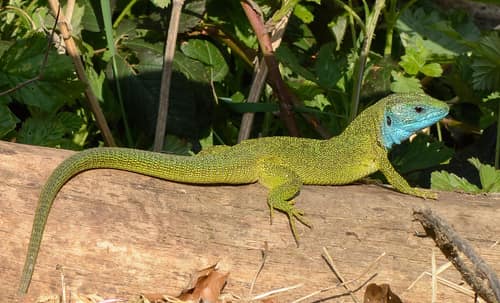
Predator Uoaei1 / CC BY-SA 4.0 · cc-by-sa Image unavailable
Close Relative Close Relative
Help improve the field guideSomething wrong?
Checking your Fauna account…Report a name, category, or profile issue for review.