
Invertebrate · GBIF taxon 4382448
Smooth-handed Ghost Crab
Ocypode cordimanaAlso known as Smooth Ghost Crab, Yellow Ghost Crab
Smooth-handed ghost crabs race across tropical sandy shores, digging deep burrows above the high-tide line to escape heat and marine predators. Unlike some related ghost crabs, they lack the extended stalks or horns on their eyes and possess smooth palm surfaces on their major claw. Emerging primarily under the cover of dusk and darkness, these swift scavengers scour the beach for organic debris, wash-ups, and small invertebrates before retreating underground.
NocturnalCrustaceanBurrowing
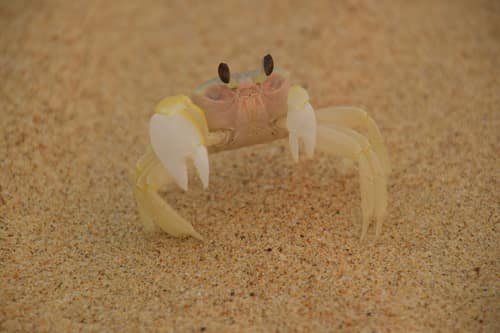
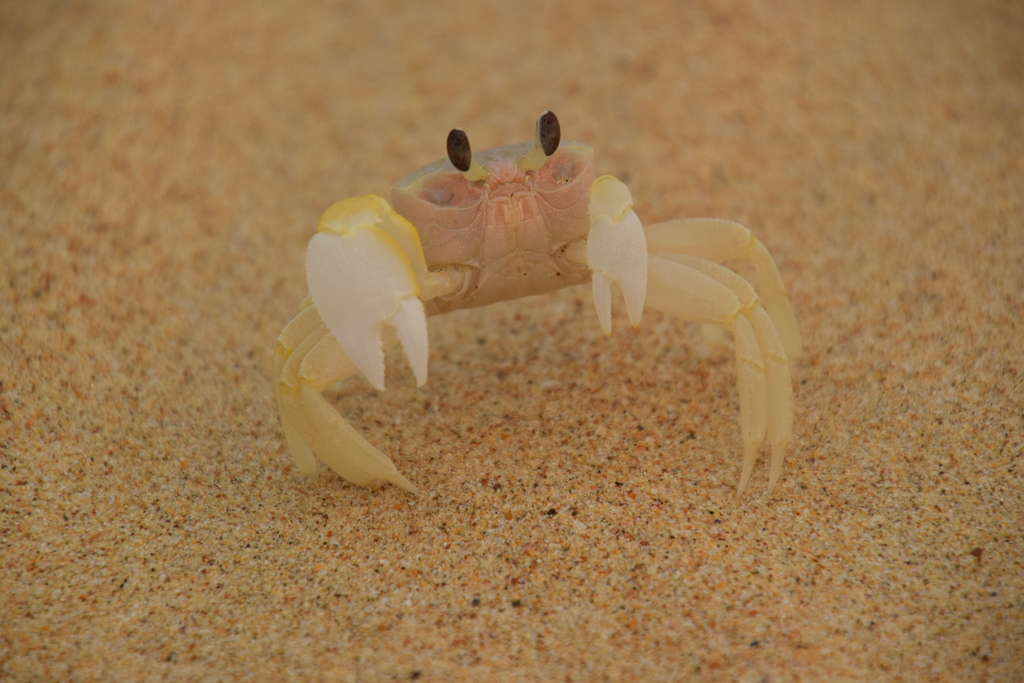 1 / 7
1 / 7—observations
—countries
—peak records
Not EvaluatedConservation statusIUCN Red List categoriesLCNTVUENCREWEXNot Evaluated — not placed on the risk ladderRed List categories, explained →
Diet & prey
- Mole Crabs
- Carrion
- Organic Detritus
Predators
- Shorebirds
- Coastal Herons
- Predatory Fish
ThreatsCoastal development, beach vehicle traffic, plastic pollution
HabitatsSandy beaches, coastal dunes, supralittoral zones
Life span3–5 years
Classification
- FamilyOcypodidae
- SpeciesOcypode cordimana
Range data is not available yet.
Interaction riskLow
- Low
- Moderate
- High
- Very high
- Why interaction risk is low
- Pinchers can break skin if handled; observe from a distance without cornering.
Responsible observation
- Look after sunset: Use a red flashlight beam along the high tide line to spot nocturnal foraging without startling them.
- Watch for burrow entrances: Search for neat, circular holes surrounded by fresh sand pellets on upper beach slopes.
- Observe quietly: Approach slowly and stand still, as their keen vision detects movement from several meters away.
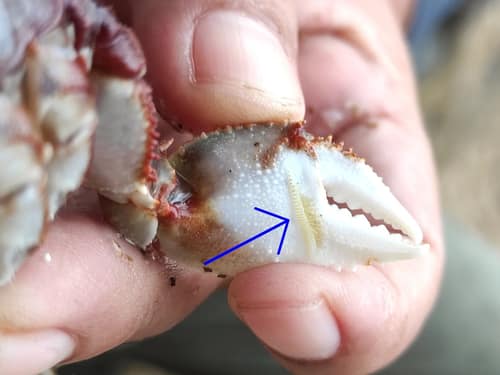
Close Relative (c) Abu Hamas, some rights reserved (CC BY-SA), uploaded by Abu Hamas · cc-by-sa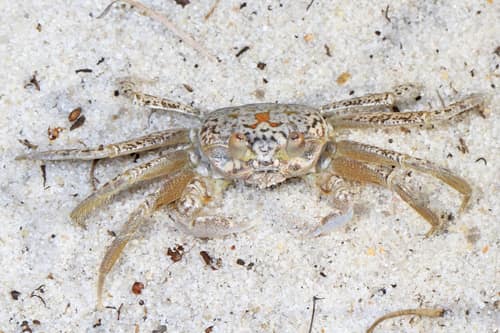
Close Relative (c) Judy Gallagher, some rights reserved (CC BY) · cc-by
Help improve the field guideSomething wrong?
Checking your Fauna account…Report a name, category, or profile issue for review.