
Invertebrate
Variegated Limpet
Cellana tramosericaVariegated limpets cling tightly to wave-swept rocky shores across southeastern Australia, using a muscular foot to seal against desiccation at low tide. At high tide or in damp darkness, they glide across stone to scrape microalgae with a tough, mineral-tipped radula before returning to a worn home scar. Their conical shells display striking radial bands of cream, orange, brown, and black that help camouflage them against mottled coastal rock.
IntertidalMarineHerbivorous
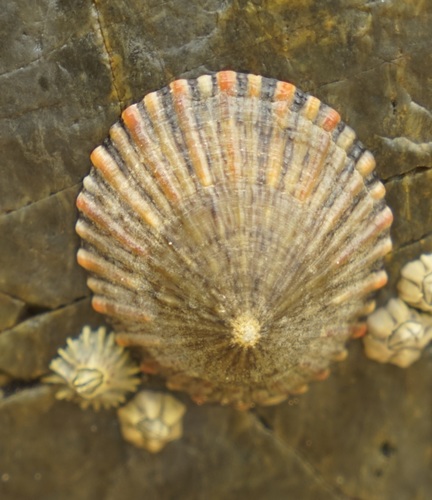
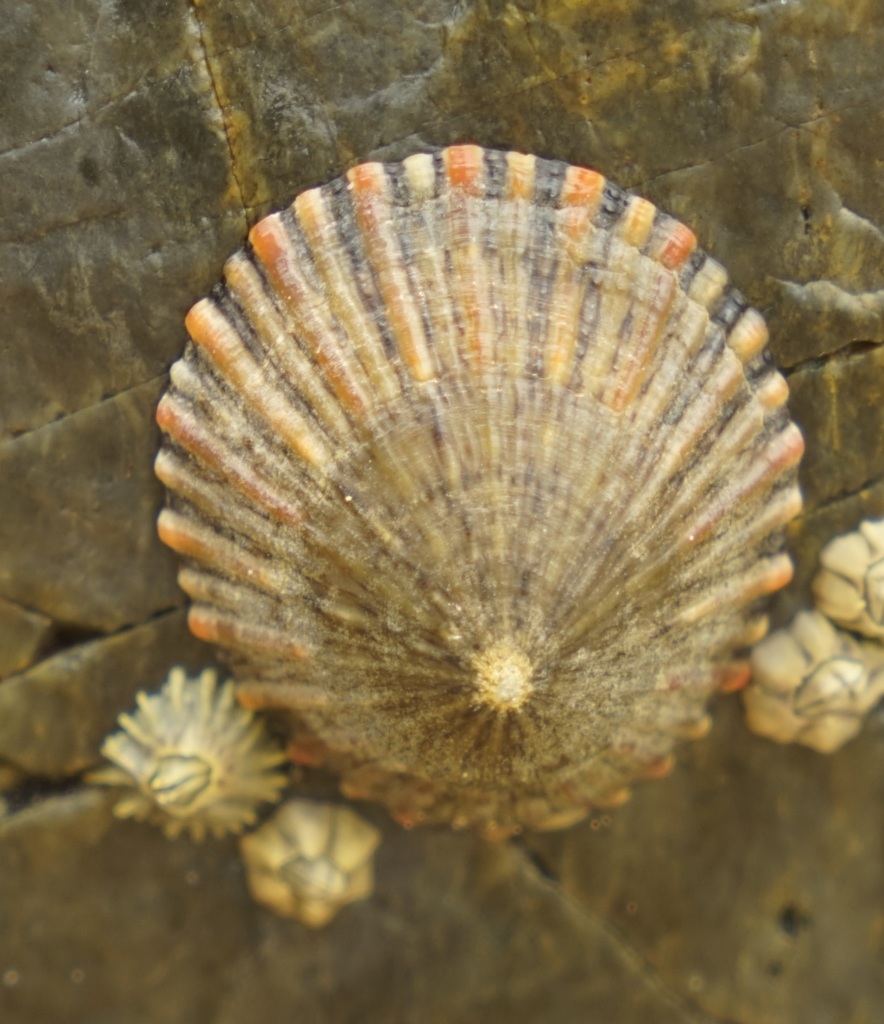
—observations
—countries
—peak records
Not EvaluatedConservation statusIUCN Red List categoriesLCNTVUENCREWEXNot Evaluated — not placed on the risk ladderRed List categories, explained →
Diet & preyMicroalgae, Diatoms, Algal sporelings
Predators
- Sooty oystercatchers
- Cartrut shells
- Reef crabs
ThreatsCoastal pollution, heavy foot traffic on rock platforms, shoreline development, and ocean acidification
HabitatsIntertidal and shallow subtidal rocky shores and wave-cut platforms in southeastern Australia
Life span3–5 years
Classification
- FamilyNacellidae
- SpeciesCellana tramoserica
Range data is not available yet.
Interaction riskLow
- Low
- Moderate
- High
- Very high
- Why interaction risk is low
- Safe to observe at a normal distance.
Responsible observation
- Observe in place: Leave limpets attached to their rocks, as prying them off can tear their muscular foot and leave them vulnerable to predators.
- Check the edges: Look around the shell margin for a faint ring etched into the stone, marking the limpet's home scar.
- Watch your footing: Step on bare rock rather than barnacle and algae mats to avoid crushing grazing molluscs and disturbing tide-pool habitats.
 Image unavailable
Predator 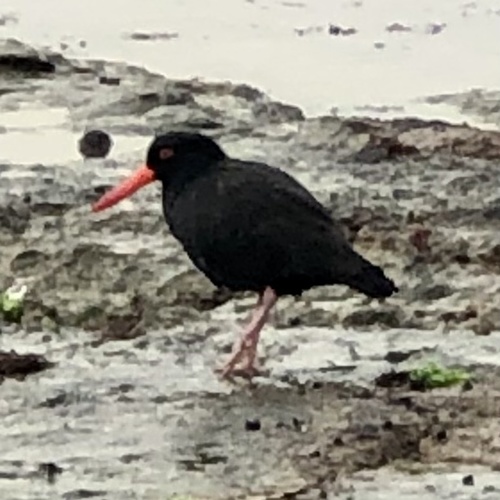
Predator (c) James K. Douch, some rights reserved (CC BY-SA) · cc-by-saCompetitor 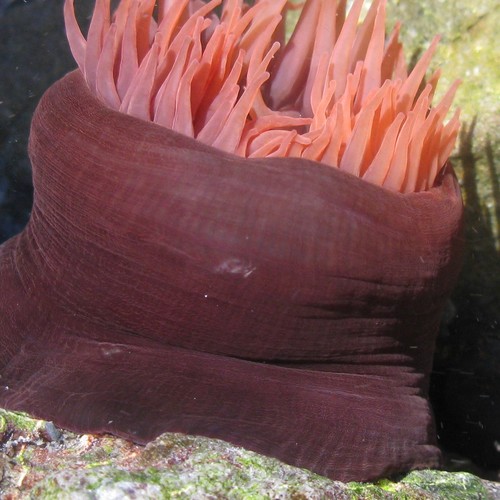
Neighbor (c) wild_wind, some rights reserved (CC BY), uploaded by wild_wind · cc-byClose Relative
Help improve the field guideSomething wrong?
Checking your Fauna account…Report a name, category, or profile issue for review.