
Invertebrate · GBIF taxon 4368308
Casket Nassa
Nassarius arculariaAlso known as Little Box Dog Whelk, Box Dog Whelk, Nassa Mud Snail
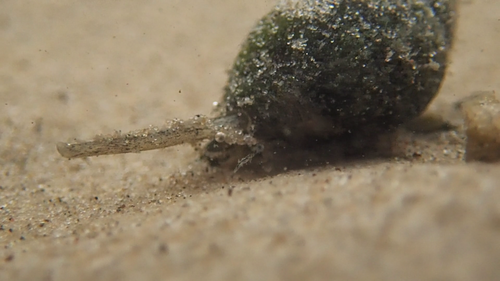
Casket nassas burrow through coastal sediments using a muscular foot, keeping their long siphon elevated like a snorkel to scent the water for decaying matter. When chemical cues from carrion trigger their keen senses, dozens of these energetic scavengers erupt from beneath the sand to feed. Thick, heavily sculpted shells with prominent knobs protect them from crushing predators along tropical shores.
MarineScavengerMollusk
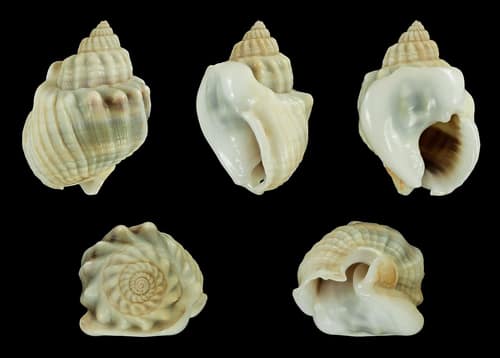
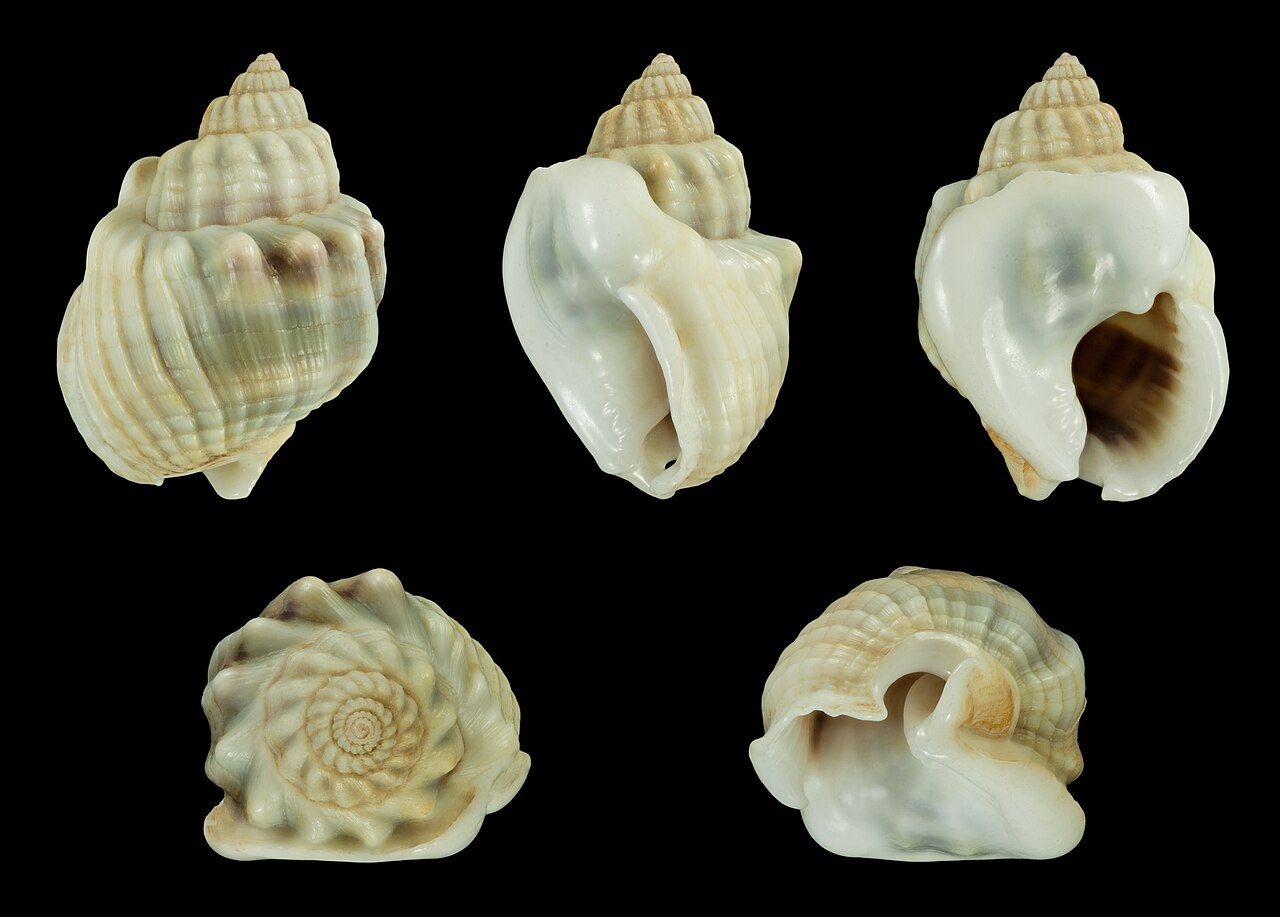
Licensed referenceH. Zell / CC BY-SA 3.0 · cc-by-sa
—observations
—countries
—peak records
Not EvaluatedConservation statusIUCN Red List categoriesLCNTVUENCREWEXNot Evaluated — not placed on the risk ladderRed List categories, explained →
Diet & prey
- Dead fish
- Decaying invertebrates
- Organic detritus
Predators
- Crabs
- Sea stars
- Predatory fish
ThreatsCoastal development, marine pollution, siltation
HabitatsIntertidal mudflats, shallow lagoons, sandy bays
Life span3–7 years
Classification
- OrderNeogastropoda
- FamilyNassariidae
- GenusNassarius
- SpeciesNassarius arcularia
Range data is not available yet.
Interaction riskLow
- Low
- Moderate
- High
- Very high
- Why interaction risk is low
- Safe to observe at a normal distance.
Responsible observation
- Observing in the Wild: Watch shallow sand or mud at low tide to spot their upright siphons cruising along the surface.
- Tidal Etiquette: Avoid disturbing buried snails, as unearthing them exposes them to predators and sun exposure.
Ecological Peer no rights reserved · cc0 Image unavailable
Predator Close Relative
Help improve the field guideSomething wrong?
Checking your Fauna account…Report a name, category, or profile issue for review.