
Invertebrate
Mimic Octopus
Thaumoctopus mimicusAlso known as Indo-Malayan Mimic Octopus
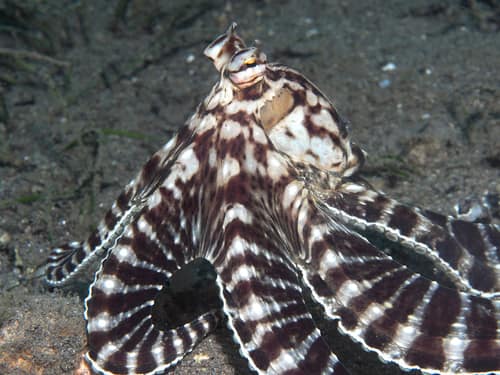
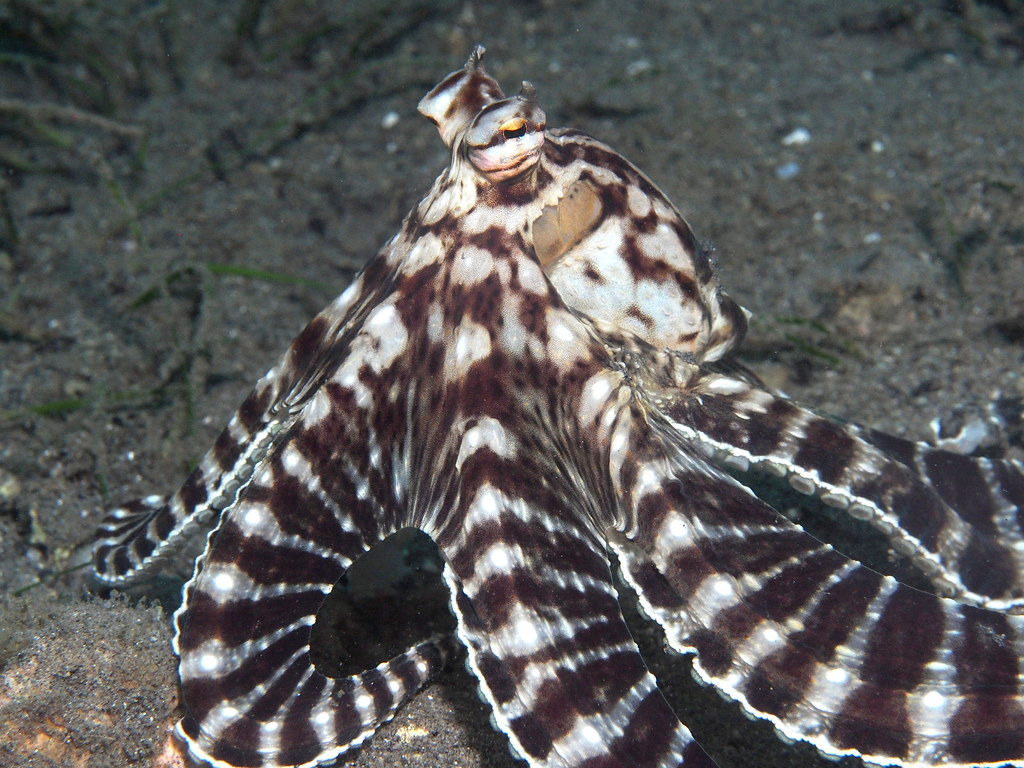
Mimic octopuses are masters of dynamic deception, actively morphing their body shape, color, and movement to impersonate venomous marine creatures like lionfish, sea snakes, and flatfish. They inhabit shallow, muddy estuaries and sandy flats where cover is scarce, relying on these elaborate disguises to deter predators while foraging. Unlike most cephalopods that blend into the background, these intelligent predators use mimicry as an active, flexible defense strategy.
CamouflageIntelligentMarine
—observations
—countries
—peak records
Least ConcernConservation statusIUCN Red List categoriesLCNTVUENCREWEXLeast ConcernRed List categories, explained →
Diet & preyCrabs, Shrimp, Small gobies
Predators
- Sharks
- Barracudas
- Lizardfish
ThreatsHabitat degradation, marine pollution, and collection for the aquarium trade
HabitatsShallow, muddy or sandy sea floors and estuaries
Life span9 months to 1 year
Classification
- FamilyOctopodidae
- SpeciesThaumoctopus mimicus
Range data is not available yet.
Interaction riskLow
- Low
- Moderate
- High
- Very high
- Why interaction risk is low
- Safe to observe from a respectful distance; do not attempt to touch or handle.
- What to notice
- Recognized by their light brown and white striped pattern and their unique behavior of imitating other sea creatures.
- Support conservation
- Never touch, chase, or corner them, and avoid using high-powered continuous lights that can stress them.
Responsible observation
- Look for movement: Spot them by watching for unusual shapes moving across open sand or mud flats.
- Maintain distance: Keep a respectful distance to observe their natural mimicry behaviors without scaring them into hiding.
- Watch the arms: Pay attention to how they configure their arms to imitate flatfish or sea snakes.
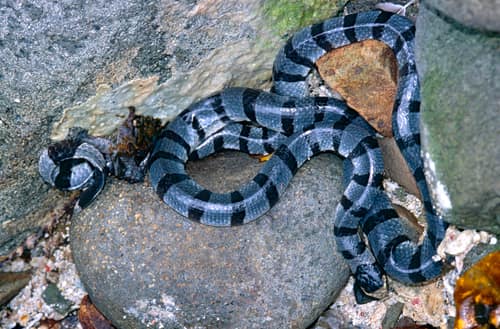
Mimicry Target (c) Bernard DUPONT, some rights reserved (CC BY-SA) · cc-by-sa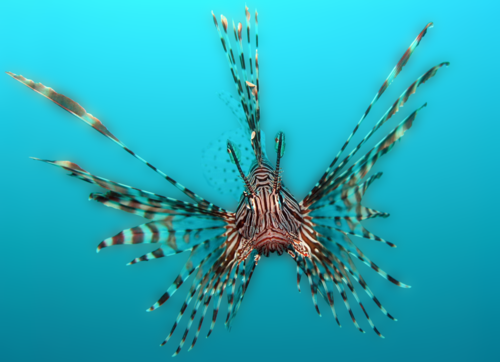
Mimicry Target (c) Jens Petersen, some rights reserved (CC BY) · cc-by Image unavailable
Mimicry Target Close Relative
Help improve the field guideSomething wrong?
Checking your Fauna account…Report a name, category, or profile issue for review.