
Bird · GBIF taxon 4352294
Chatham Albatross
Thalassarche eremitaAlso known as Chatham Mollymawk, Chatham Island Mollymawk
Chatham albatrosses spend most of their lives soaring high above the open South Pacific, returning to land only to nest on a single steep volcanic stack in New Zealand. Parents take turns undertaking multi-day oceanic foraging trips to collect squids and fish for a single chick reared in a pedestal nest of mud and vegetation. Outside the breeding season, these accomplished ocean wanderers travel vast distances eastward toward the productive coastal waters of Chile and Peru.
PelagicSeabirdOceanic
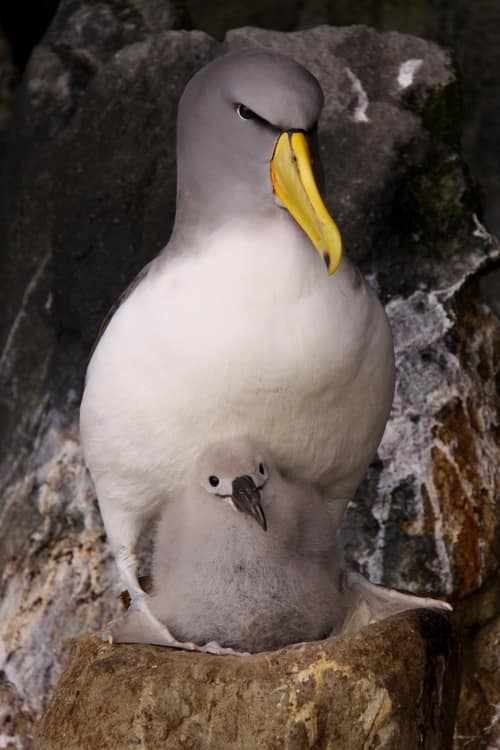
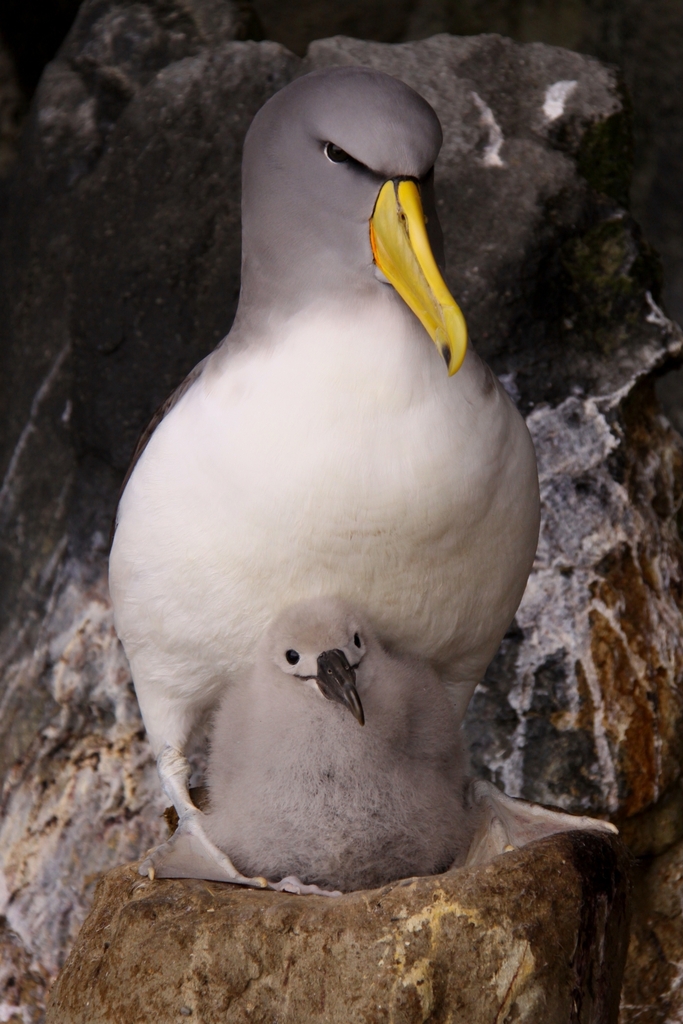
—observations
—countries
—peak records
VulnerableConservation statusIUCN Red List categoriesLCNTVUENCREWEXVulnerableRed List categories, explained →
Diet & prey
- Squid
- Oceanic fish
- Krill
Predators
Not available
ThreatsLongline fisheries bycatch, storm events, climate change
HabitatsOpen ocean and rocky island cliffs
Life span30–40 years
Size / weightNot available
Classification
- FamilyDiomedeidae
- SpeciesThalassarche eremita
Range data is not available yet.
Interaction riskLow
- Low
- Moderate
- High
- Very high
- Why interaction risk is low
- Safe to observe at a normal distance from pelagic vessels.
- What to notice
- Recognizable by its dark grey head, vibrant bright-yellow bill ridge, and dark patch in front of the eye.
- Support conservation
- Keep pelagic tour vessels at a respectful distance and never attempt to land on the protected island stack.
Responsible observation
- Pelagic Tours: Observe from charter boats in open waters off New Zealand or South America.
- Colony Protection: Respect strict access prohibitions surrounding the sole breeding site on The Pyramid.
- Distance Maintenance: Avoid crowding birds around vessel sterns to prevent accidental disturbance.
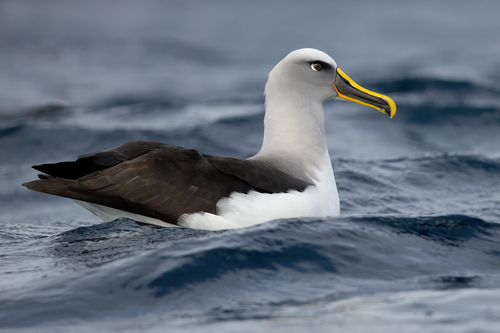
Ocean Companion (c) JJ Harrison, some rights reserved (CC BY-SA) · cc-by-sa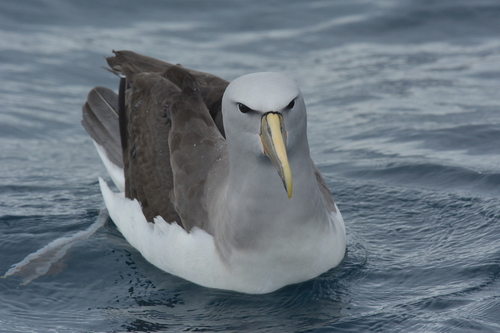
Close Relative (c) Christopher Stephens, some rights reserved (CC BY-SA) · cc-by-sa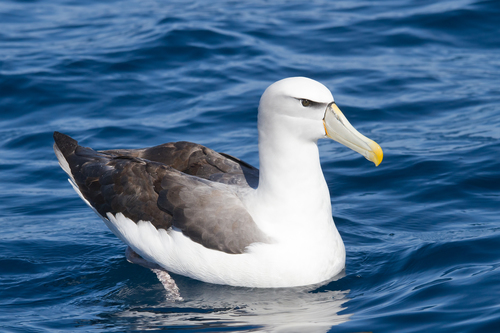
Close Relative (c) JJ Harrison, some rights reserved (CC BY-SA) · cc-by-sa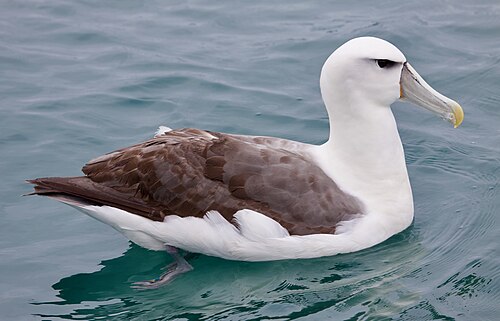
Close Relative Basar / CC BY-SA 4.0 · cc-by-sa
Help improve the field guideSomething wrong?
Checking your Fauna account…Report a name, category, or profile issue for review.