
Invertebrate
Tiger's Tail Sea Cucumber
Holothuria thomasiAlso known as Tiger Tail Sea Cucumber, Thomas's Sea Cucumber
Tiger's tail sea cucumbers stretch their long, mottled bodies out from reef crevices at night to sweep the surrounding sand for organic debris. Growing up to two meters in length, these gentle giants blend seamlessly into the coral rubble, using their highly effective camouflage to evade detection during the day. They play a vital role in reef health by turning over and cleaning sandy sediments.
NocturnalCamouflagedReef-Dweller
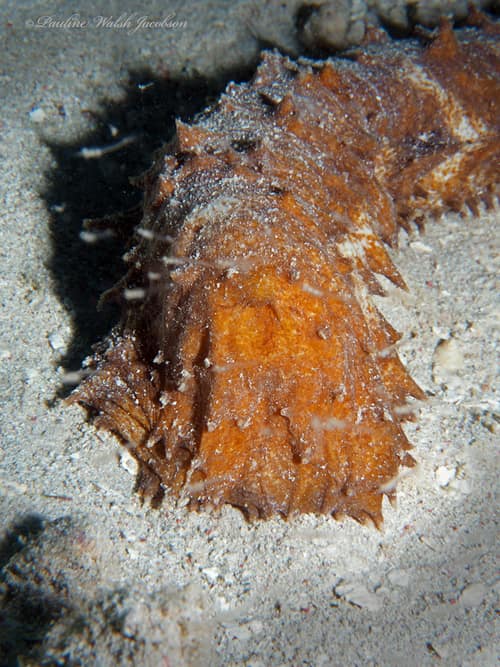
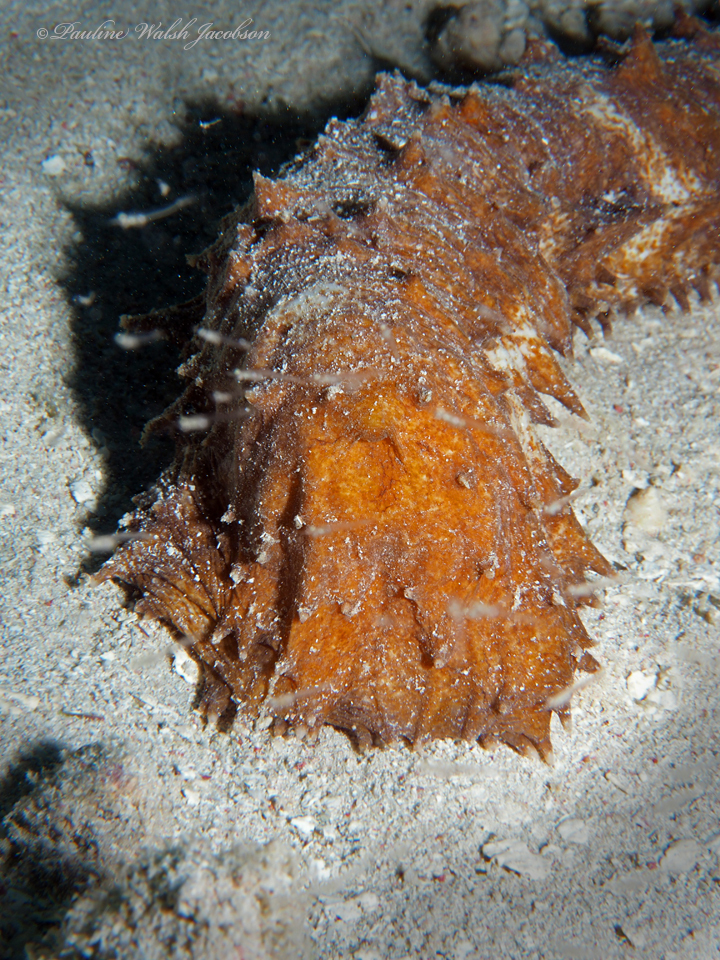
—observations
—countries
—peak records
Least ConcernConservation statusIUCN Red List categoriesLCNTVUENCREWEXLeast ConcernRed List categories, explained →
Diet & preyDetritus, Microalgae, Benthic microbes
Predators
- Sea stars
- Crabs
- Large predatory fish
ThreatsHabitat degradation, climate change, and marine pollution
HabitatsCoral reefs, rocky crevices, and sandy sea floors
Life span5 to 10 years
Classification
- FamilyHolothuriidae
- SpeciesHolothuria thomasi
Range data is not available yet.
Interaction riskLow
- Low
- Moderate
- High
- Very high
- Why interaction risk is low
- Safe to observe at a normal distance; avoid touching to prevent stress.
Responsible observation
- Look in Crevices: Search for their distinctive mottled bodies extending from reef cracks, especially during night dives.
- Do Not Touch: Avoid handling them, as stress can cause them to expel their internal organs as a defense.
- Watch the Tentacles: Observe the delicate, flower-like feeding tentacles as they sweep the sand for food.
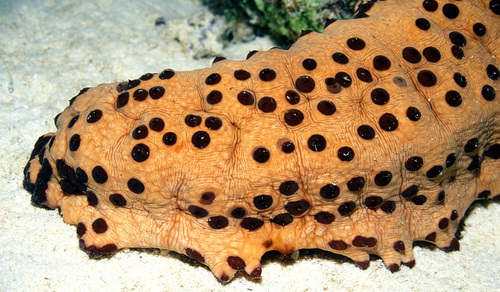
Co-occurring Species (c) laszlo-photo, some rights reserved (CC BY) · cc-by Image unavailable
Close Relative
Help improve the field guideSomething wrong?
Checking your Fauna account…Report a name, category, or profile issue for review.