
Invertebrate
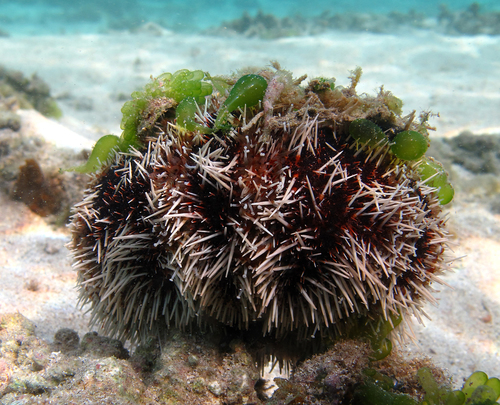
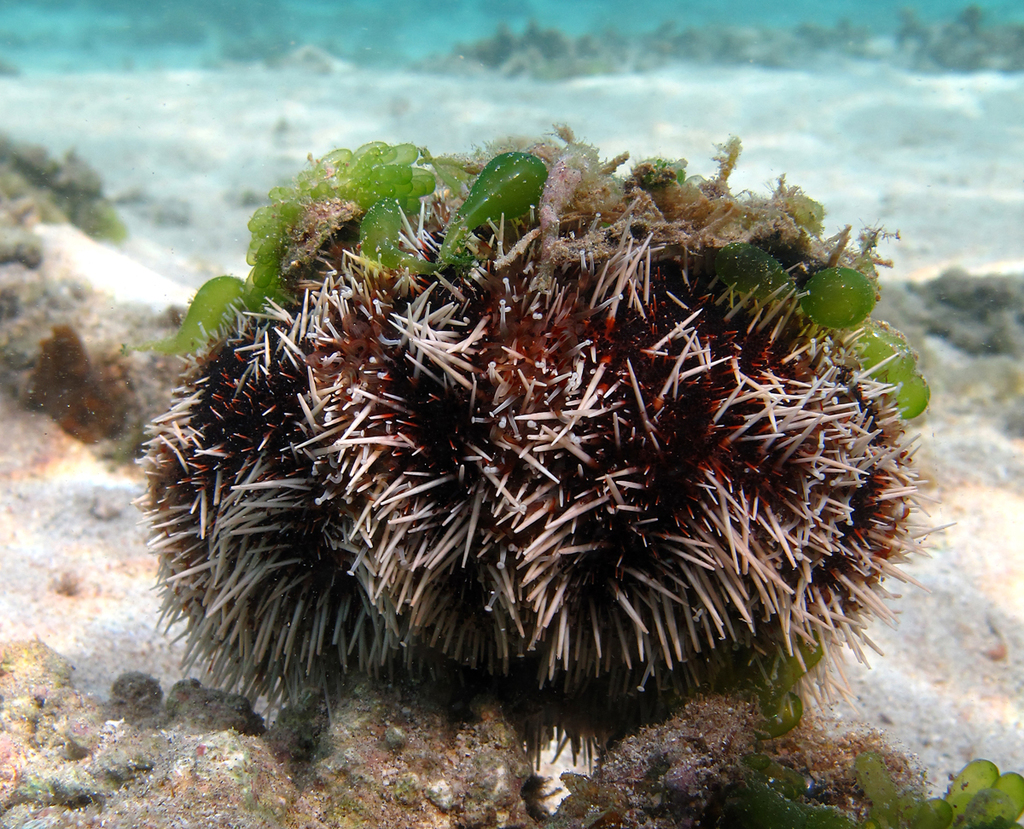
Collector Urchin
Tripneustes gratillaAlso known as Halloween Urchin, Priest-cap Urchin, Pincushion Urchin
Collector urchins are renowned for using hundreds of agile tube feet to anchor bits of shells, pebbles, and seagrass across their bodies as camouflage and sun protection. They graze voraciously across shallow coral flats and seagrass beds, keeping fast-growing macroalgae in check and preventing coral smothering. In regions such as Hawaii, captive-bred populations serve as vital biological control agents to clear invasive alien seaweed from damaged reef ecosystems.
MarineHerbivoreReef Dweller
—observations
—countries
—peak records
Not EvaluatedConservation statusIUCN Red List categoriesLCNTVUENCREWEXNot Evaluated — not placed on the risk ladderRed List categories, explained →
Diet & preySargassum Seaweed, Sea Lettuce, Halophila Seagrass
Predators
- Titan Triggerfish
- Spangled Emperor
- Triton's Trumpet
ThreatsCoral reef degradation, warming ocean waters, ocean acidification, and overharvesting for roe
HabitatsShallow coral reefs, seagrass meadows, and rocky rubble flats down to 30 meters
Life span2–5 years
Classification
- OrderCamarodonta
- FamilyToxopneustidae
- GenusTripneustes
- SpeciesTripneustes gratilla
Range data is not available yet.
Interaction riskVery high
- Low
- Moderate
- High
- Very high
- Why interaction risk is very high
- Safe to observe at a normal distance.
Responsible observation
- Reef Etiquette: Watch from above while snorkeling without disturbing the debris shell.
- Handling Precaution: Avoid lifting with bare hands, as sharp spines can pierce skin.
- Observation Timing: Scan sunlit shallows and seagrass beds where grazing peaks during daylight.
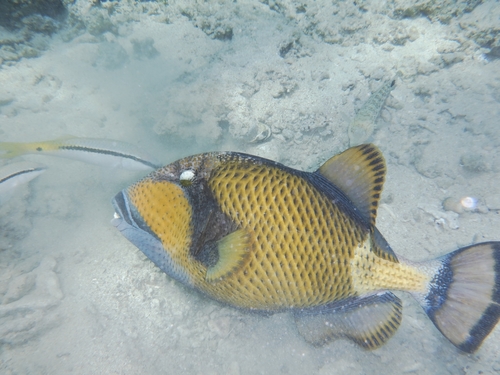
Predator (c) Michal Honskus, some rights reserved (CC BY), uploaded by Michal Honskus · cc-by Image unavailable
Symbiont 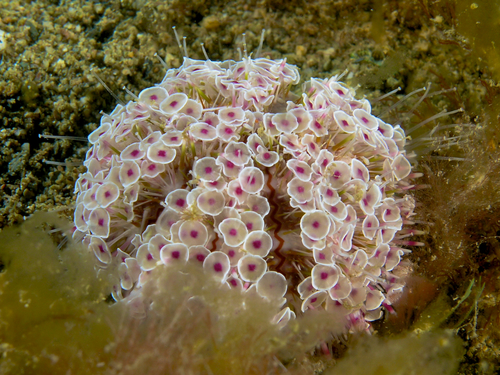
Same Family (c) Nhobgood, some rights reserved (CC BY-SA) · cc-by-sa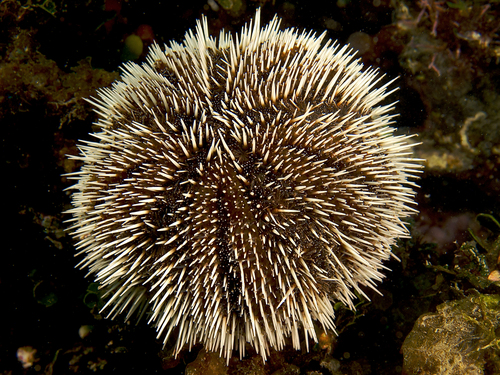
Close Relative (c) Nhobgood, some rights reserved (CC BY-SA) · cc-by-sa
Keep collecting in Fauna
Found in Collections
Ecosystem chain Pro
Coral Currents
Collector Urchin is found in this collection. Identify it in Fauna to fill this slot and continue your progress.
Unlock to track progress
Help improve the field guideSomething wrong?
Checking your Fauna account…Report a name, category, or profile issue for review.