Also known as Bluebottle, Indo-Pacific Portuguese Man-of-War
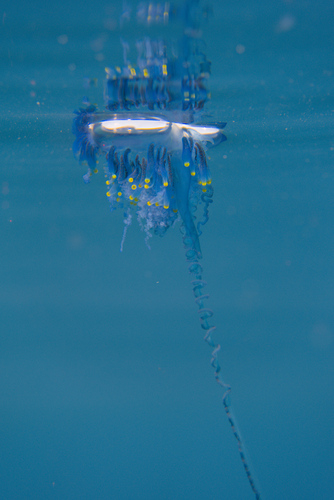
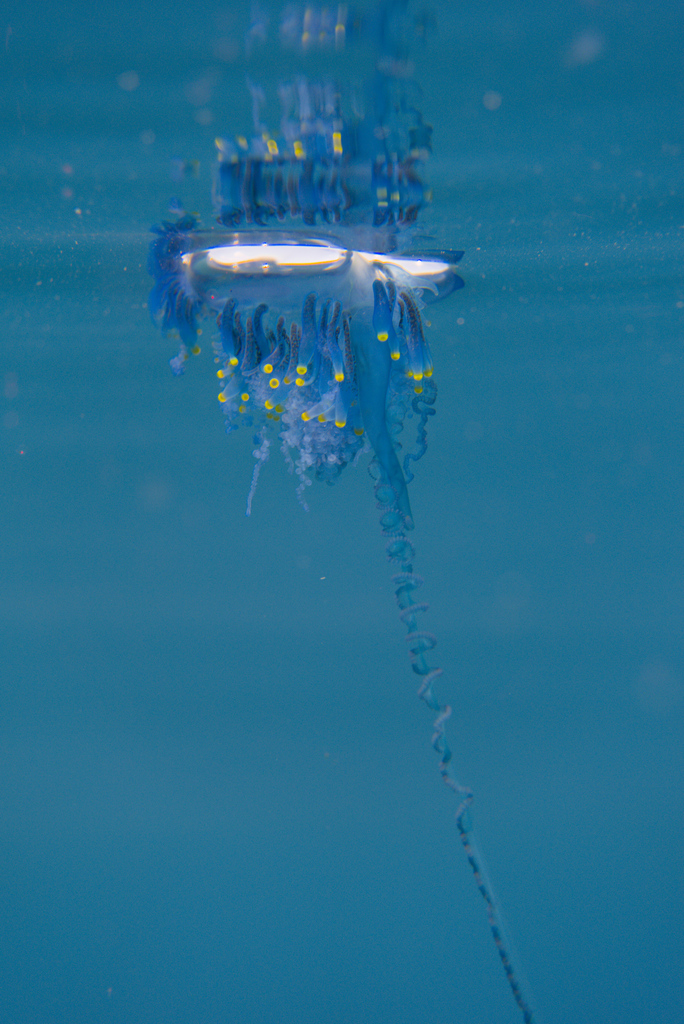
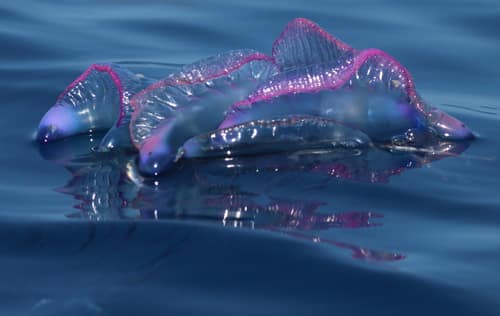
Bluebottles are not single jellyfish, but floating colonies of specialized polyps working together as one organism across warm surface waters of the Indian, Pacific, and Atlantic Oceans. A gas-filled, crested bladder catches the wind like a miniature sail, dragging a single long, bead-like fishing tentacle armed with stinging cells beneath the waves. Strong onshore winds frequently strand thousands of these translucent blue floats along sandy beaches, where their tentacles remain capable of stinging long after washing ashore.
Not EvaluatedConservation statusIUCN Red List categoriesLCNTVUENCREWEXNot Evaluated — not placed on the risk ladderRed List categories, explained →
Key facts
Diet & preySmall Fish, Fish Larvae, Copepods
Predators
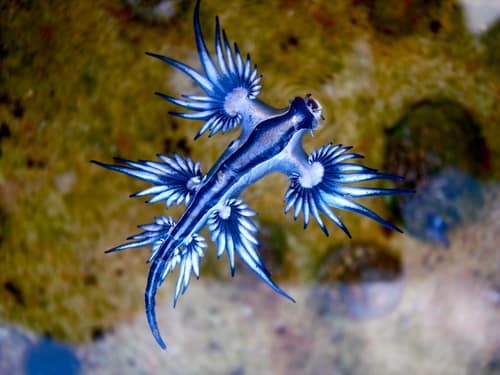
Blue Sea Dragon
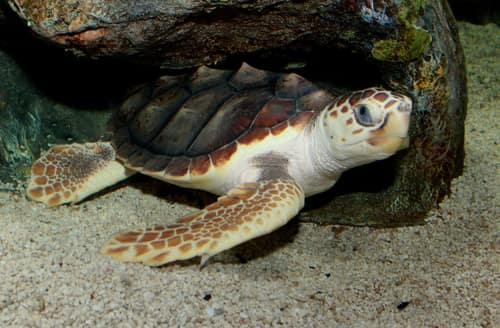
Loggerhead Sea Turtle
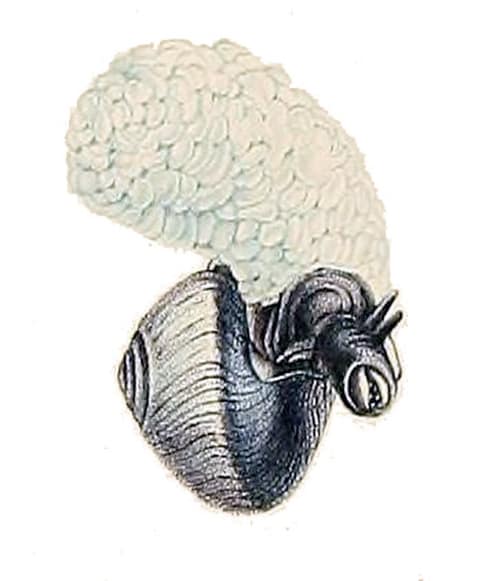
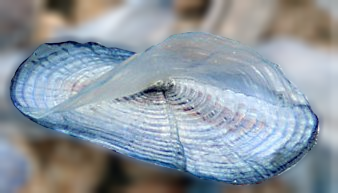
Violet Sea Snail
ThreatsStorm strandings, specialized predators, and marine plastic pollution
HabitatsOpen ocean surface waters and wind-blown coastal surf zones
Life spanA few months to about 1 year
Classification
OrderSiphonophorae
FamilyPhysaliidae
GenusPhysalia
SpeciesPhysalia utriculus
Range & activity
Range data is not available yet.
Safe observation
Interaction riskVery high
Low
Moderate
High
Very high
Why interaction risk is very high
Tentacles deliver painful venomous stings even when washed ashore; never touch stranded floats or trailing threads.
Why it is dangerous
Venom-filled nematocysts along the tentacle fire on contact, injecting neurotoxic and cardiotoxic peptides that cause intense burning pain, red welts, and occasional nausea or breathing difficulty.
How to recognize a risky encounter
Look for a translucent, iridescent blue or purple gas-filled bladder with a crinkled crest floating at the surface or stranded along the wet tideline.
What to do
Keep well clear in the water and on the beach; if stung, carefully lift away remaining tentacles with a stick or gloved hand and rinse with seawater, not freshwater.
Responsible observation
Beach Safety: Watch the tideline for translucent blue floats and avoid swimming when bluebottles are washing ashore.
Hands Off: Never pick up stranded floats, as detached or drying tentacles can still fire stinging cells.
First Aid: Rinse stings with seawater to remove tentacles, then immerse the area in hot water if available.