
Insect
North American Common Gray
Anavitrinella pampinariaAlso known as Common Gray, Cranberry Spanworm Moth, Cranberry Spanworm
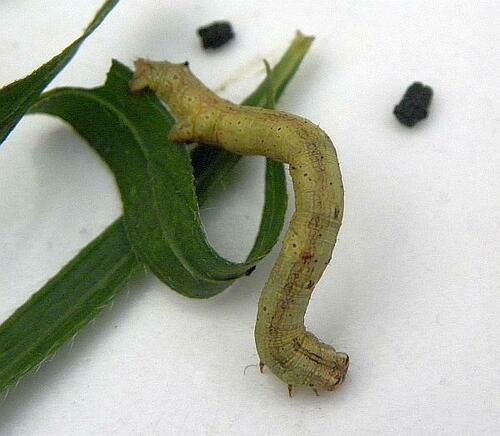
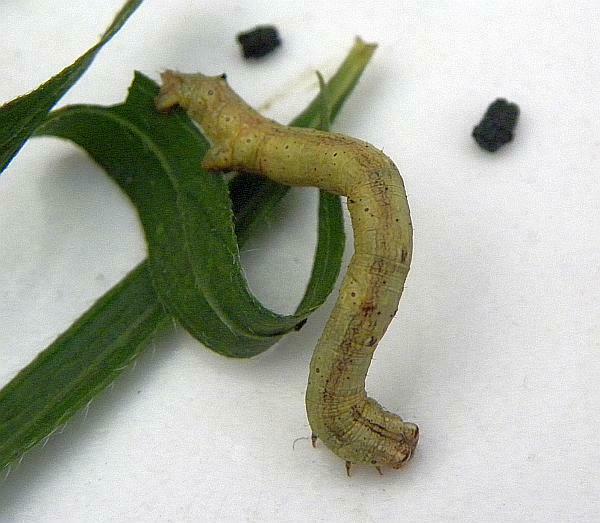
Common grays excel at cryptically resting flat against lichen-covered tree bark, making them nearly invisible to diurnal predators during daylight hours. Their caterpillars are classic inchworms that feed on a broad variety of deciduous trees, woody shrubs, and agricultural crops like cranberries. Active primarily at night, adult moths frequently visit artificial light sources from late spring through early autumn.
NocturnalCamouflagedGeometer Moth
—observations
—countries
—peak records
Not EvaluatedConservation statusIUCN Red List categoriesLCNTVUENCREWEXNot Evaluated — not placed on the risk ladderRed List categories, explained →
Diet & preyOak leaves, Cranberry foliage, Flower nectar
Predators
- Songbirds
- Bats
- Spiders
ThreatsPesticide application, severe light pollution, habitat loss
HabitatsDeciduous forests, mixed woodlands, suburban gardens, cranberry bogs
Life span1 year (adults live 1–2 weeks)
Classification
- OrderLepidoptera
- FamilyGeometridae
- GenusAnavitrinella
- SpeciesAnavitrinella pampinaria
Range data is not available yet.
Interaction riskLow
- Low
- Moderate
- High
- Very high
- Why interaction risk is low
- Safe to observe at a normal distance.
Responsible observation
- Porch Light Spotting: Observe adult moths near outdoor lights or white sheets illuminated after dusk.
- Trunk Scanning: Examine tree bark closely during the day to spot resting adult camouflage.
- Caterpillar Scouting: Look for loop-walking caterpillars on host leaves in early summer.
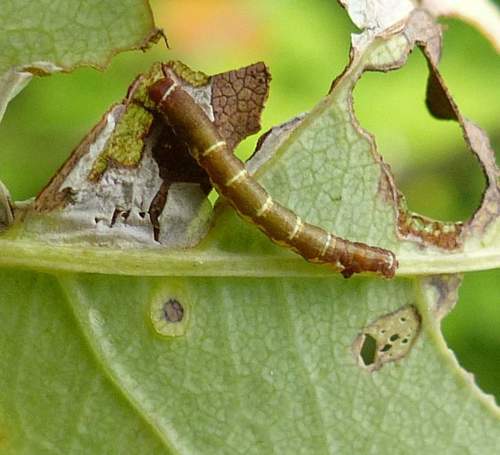
Frequent Companion (c) christine123, some rights reserved (CC BY), uploaded by christine123 · cc-by Image unavailable
Look-alike 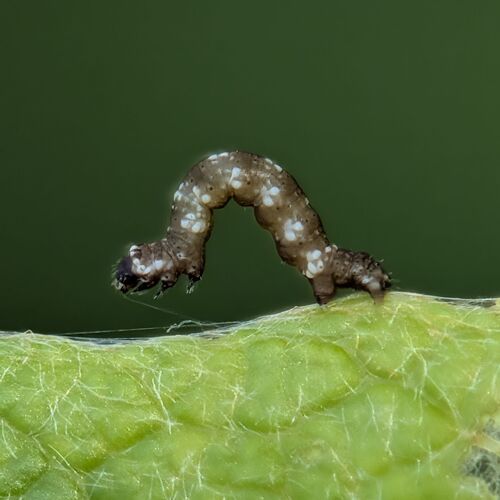
Co-occurring Member (c) Stephan Mende, some rights reserved (CC BY) · cc-by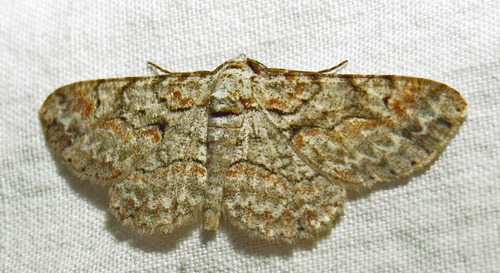
Close Relative (c) David Dodd, some rights reserved (CC BY), uploaded by David Dodd · cc-by
Keep collecting in Fauna
Found in Collections
Species set
Moonlight Marvels
North American Common Gray is found in this collection. Identify it in Fauna to fill this slot and continue your progress.
—/7
Help improve the field guideSomething wrong?
Checking your Fauna account…Report a name, category, or profile issue for review.