
Insect · GBIF taxon 4301355
Wandering Skipper
Panoquina erransAlso known as Salt Marsh Skipper
Coastal salt marshes along Southern California and Baja California form the specialized haven for the wandering skipper. Caterpillars feed almost exclusively on desert saltgrass, weaving tubular leaf shelters where they hide from predators during the day. Adults dart low over marsh vegetation with a swift, erratic flight, alighting on flowering plants like sea lavender and Frankenia to drink nectar.
Salt MarshCoastalButterfly
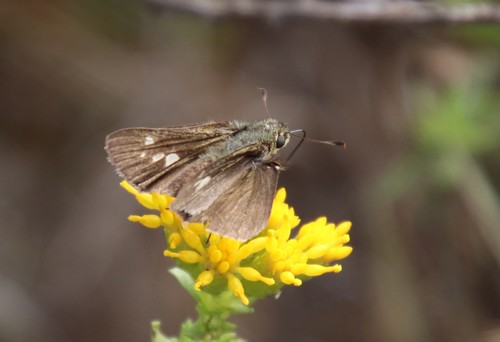
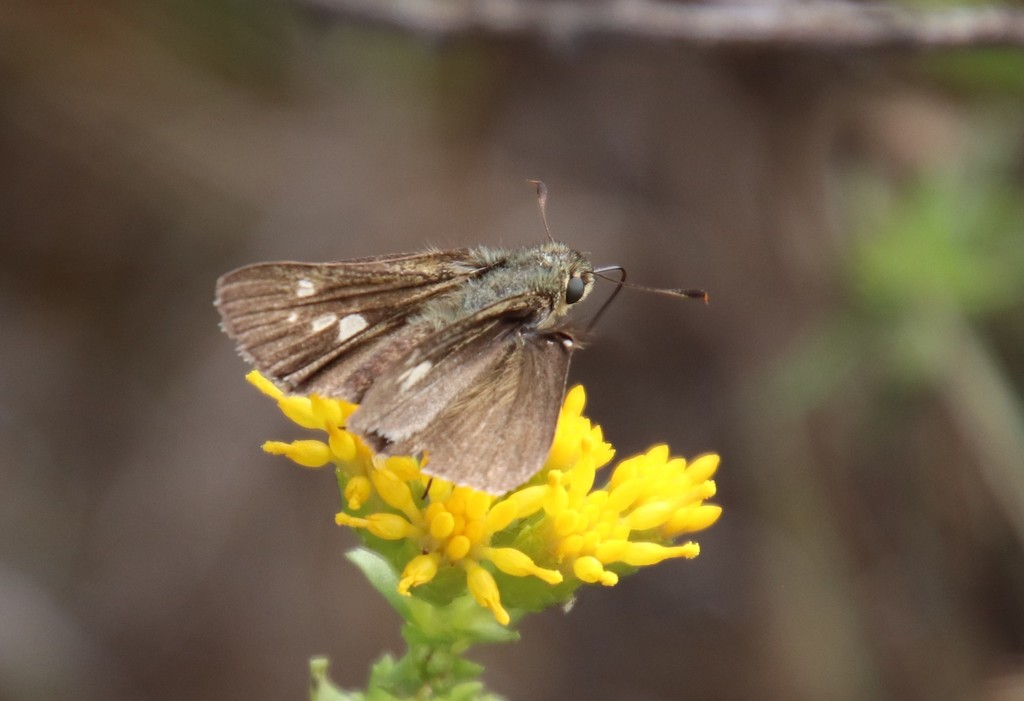 1 / 4
1 / 4—observations
—countries
—peak records
Near ThreatenedConservation statusIUCN Red List categoriesLCNTVUENCREWEXNear ThreatenedRed List categories, explained →
Diet & prey
- Desert Saltgrass
- Sea Lavender
- Frankenia
Predators
- Spiders
- Birds
- Dragonflies
ThreatsCoastal development, marsh drainage, invasive plants, and sea level rise.
HabitatsCoastal salt marshes, estuaries, and coastal dunes.
Life span1–3 weeks as adult
Classification
- FamilyHesperiidae
- SpeciesPanoquina errans
Range data is not available yet.
Interaction riskLow
- Low
- Moderate
- High
- Very high
- Why interaction risk is low
- Safe to observe at a normal distance.
- What to notice
- Recognized by its dark brown wings with faint pale spots, flying low over coastal saltgrass habitats.
- Support conservation
- Observe from boardwalks or marked trails to avoid disturbing sensitive salt marsh ecology and caterpillar shelters.
Responsible observation
- Look near Saltgrass: Search coastal estuaries where desert saltgrass grows in dense mats.
- Watch Low Flight: Look for fast, low-altitude flights near marsh flowers during warm sunny days.
- Respect Marsh Edges: Stay on established boardwalks to avoid trampling delicate coastal marsh habitat.
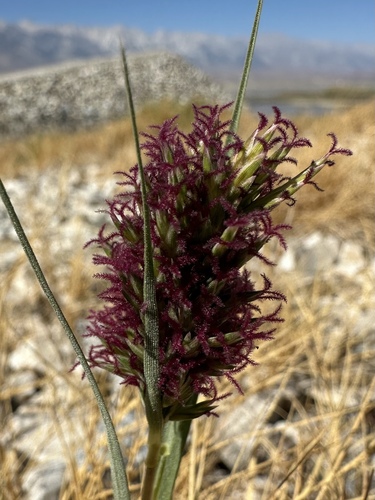
Host Plant (c) Roberto Daniel Avila, some rights reserved (CC BY), uploaded by Roberto Daniel Avila · cc-by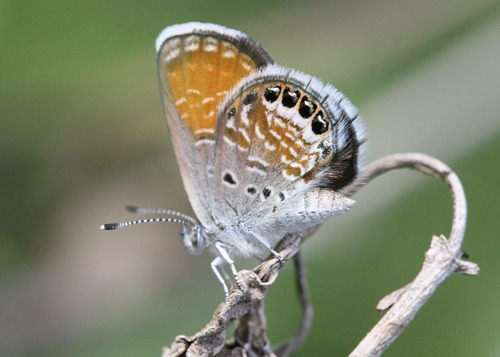
Frequent Companion (c) Anne Toal, some rights reserved (CC BY) · cc-by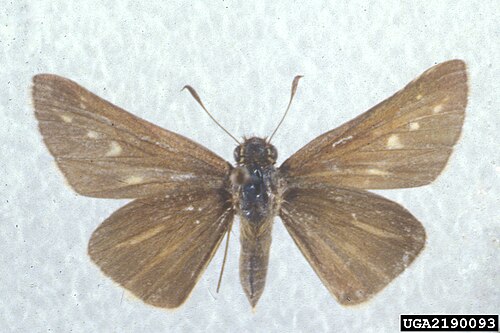
Close Relative Charles T. and John R. Bryson, Bugwood.org / CC BY 3.0 us · cc-by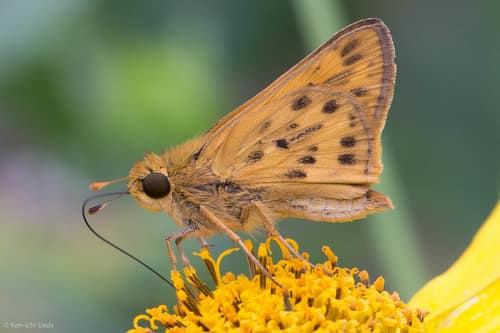
Close Relative (c) Ken-ichi Ueda, some rights reserved (CC BY), uploaded by Ken-ichi Ueda · cc-by
Help improve the field guideSomething wrong?
Checking your Fauna account…Report a name, category, or profile issue for review.