
Insect · GBIF taxon 4301348
Blinded Sphinx
Paonias excaecataAlso known as Blinded Sphinx Moth, Blinded Eyed Sphinx
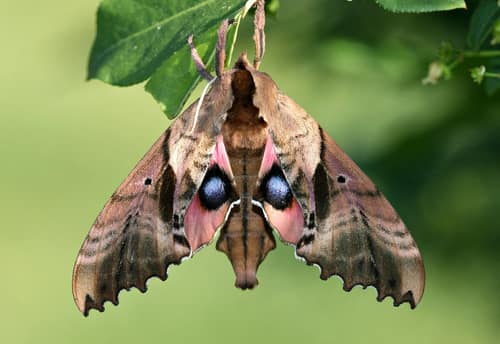
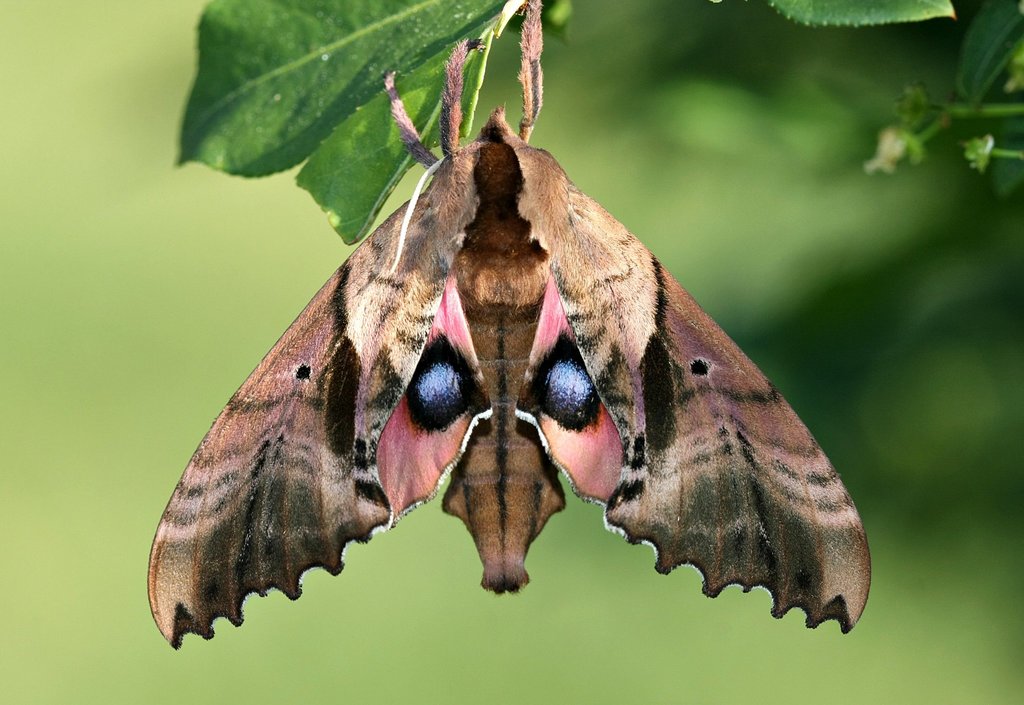
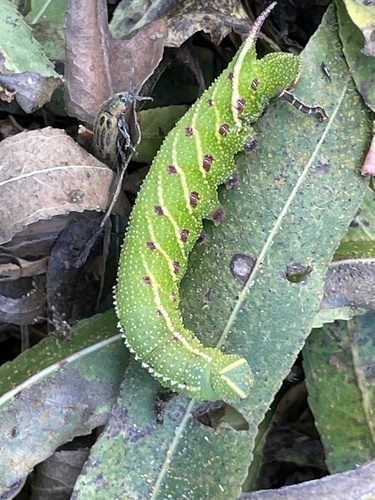
Blinded Sphinx moths feature deeply scalloped forewings that blend seamlessly into dried foliage while resting on tree bark. When threatened, adults snap open their forewings to reveal vivid rose-pink hindwings marked with blue, pupil-less eyespots designed to startle predators. The bright green, horned caterpillars feed extensively on the foliage of cherries, birches, and willows before pupating underground.
NocturnalCrypticForest Insect
—observations
—countries
—peak records
Least ConcernConservation statusIUCN Red List categoriesLCNTVUENCREWEXLeast ConcernRed List categories, explained →
Diet & prey
- Cherry leaves
- Willow leaves
- Birch leaves
Predators
- Insectivorous bats
- Songbirds
- Parasitic wasps
ThreatsLight pollution, heavy pesticide exposure, and habitat loss
HabitatsDeciduous woodlands, orchards, forest edges, and suburban parks
Life span1 to 2 weeks as adults
Classification
- OrderLepidoptera
- FamilySphingidae
- GenusPaonias
- SpeciesPaonias excaecata
Range data is not available yet.
Interaction riskLow
- Low
- Moderate
- High
- Very high
- Why interaction risk is low
- Safe to observe at a normal distance.
Responsible observation
- Light attraction: Look around porch and ultraviolet lights on humid summer nights where adults often rest until morning.
- Gentle observation: Avoid touching wing surfaces because handling removes protective, delicate scales.
- Caterpillar search: Inspect the undersides of cherry and willow leaves in late summer for green, horned larvae.
Ecological Neighbor no rights reserved, uploaded by kent ozment · cc0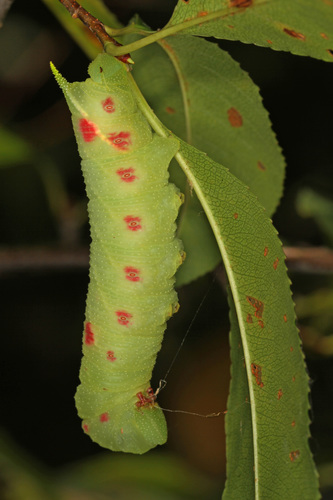
Close Relative (c) Judy Gallagher, some rights reserved (CC BY) · cc-by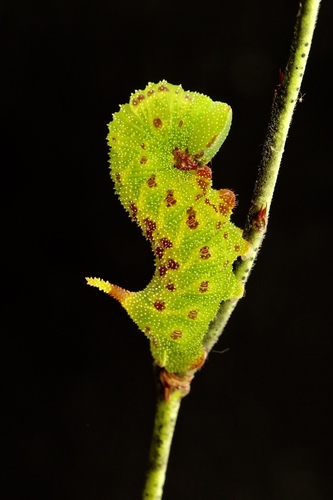
Close Relative (c) Teá Montagna, some rights reserved (CC BY), uploaded by Teá Montagna · cc-by
Keep collecting in Fauna
Found in Collections
Species set
Moonlight Marvels
Blinded Sphinx is found in this collection. Identify it in Fauna to fill this slot and continue your progress.
—/7
Help improve the field guideSomething wrong?
Checking your Fauna account…Report a name, category, or profile issue for review.