
Insect
El Segundo Blue
Euphilotes battoides allyniAlso known as El Segundo Blue Butterfly
El Segundo blue butterflies spend nearly their entire lives within meters of coastal buckwheat shrubs, emerging during midsummer heat to mate and sip nectar. Caterpillars feed exclusively on the floral buds of their host plant before dropping into loose sand dunes to pupate overwinter. Confined to tiny remnant coastal dune fragments near Los Angeles, populations rely entirely on active habitat restoration and invasive weed removal.
PollinatorCoastal


—observations
—countries
—peak records
EndangeredConservation statusIUCN Red List categoriesLCNTVUENCREWEXEndangeredRed List categories, explained →
Diet & preyCoastal buckwheat nectar, Coastal buckwheat flower buds, Buckwheat pollen
Predators
- Crab spiders
- Praying mantises
- Insectivorous birds
ThreatsUrban development, non-native iceplant encroachment, dune stabilization
HabitatsCoastal sand dunes, coastal sage scrub
Life spanAdults live 4–7 days (1 year lifecycle)
Classification
- FamilyLycaenidae
- SpeciesEuphilotes battoides allyni
Range data is not available yet.
Interaction riskLow
- Low
- Moderate
- High
- Very high
- Why interaction risk is low
- Harmless pollinator; safe to observe from designated trails.
- What to notice
- Recognized by a small wingspan, lustrous violet-blue uppersides on males, and distinct orange-bordered spots beneath.
- Support conservation
- Do not capture, handle, or pursue adult butterflies, and avoid stepping onto fragile buckwheat root systems.
Responsible observation
- Seasonality: Search for active fliers during peak summer bloom, typically July through August.
- Trail Etiquette: Remain strictly on designated boardwalks and trails to avoid trampling sensitive dune flora.

Host Plant no rights reserved, uploaded by Dan Horowitz · cc0
Related Taxon (c) Roberto Daniel Avila, some rights reserved (CC BY), uploaded by Roberto Daniel Avila · cc-by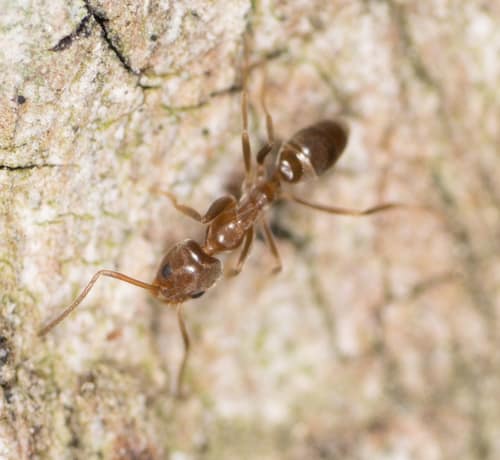
Competitor no rights reserved, uploaded by Jesse Rorabaugh · cc0
Close Relative (c) Rachel Allingham, some rights reserved (CC BY) · cc-by
Help improve the field guideSomething wrong?
Checking your Fauna account…Report a name, category, or profile issue for review.