
Insect
Mission Blue
Icaricia icarioides missionensisAlso known as Mission Blue Butterfly
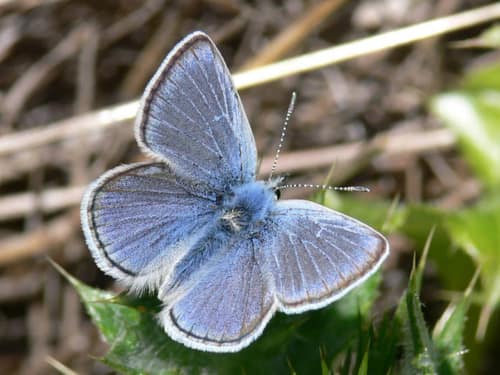
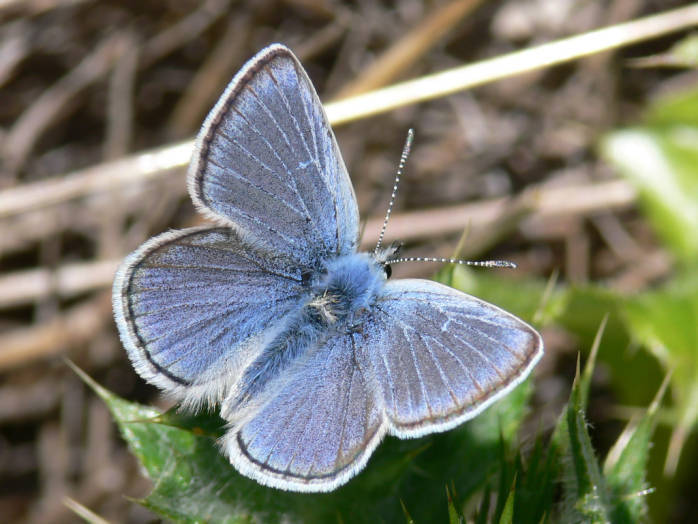
The Mission Blue is a small butterfly associated closely with native lupines on windy coastal grasslands. Males appear bright blue above, while females are browner; both carry pale undersides marked with dark spots.
Coastal ButterflyLupine SpecialistProtected Subspecies
—observations
—countries
—peak records
Least ConcernConservation statusIUCN Red List categoriesLCNTVUENCREWEXLeast ConcernRed List categories, explained →
Diet & preyAdults drink flower nectar; caterpillars feed on the leaves of particular native lupines
Predators
- Spiders
- Birds
- Predatory insects
ThreatsHost-plant loss, development, invasive vegetation, pesticide exposure, and poorly timed disturbance
HabitatsCoastal grassland and scrub with suitable lupine host plants and sheltered open slopes
Life spanOne generation per year; adults live only a few weeks
Classification
- FamilyLycaenidae
- SpeciesIcaricia icarioides missionensis
Range data is not available yet.
Interaction riskLow
- Low
- Moderate
- High
- Very high
- Why interaction risk is low
- Stay on designated trails to protect host plants, eggs, caterpillars, and resting adults.
- What to notice
- A tiny blue or brown butterfly with spotted pale undersides stays close to lupines on open coastal slopes.
- Support conservation
- Never net, touch, or pursue adults; remain on marked trails and withhold precise colony locations.
Responsible observation
- Distance: Watch through binoculars rather than following low-flying butterflies.
- Plants: Never step into or touch occupied lupine patches.
- Privacy: Generalize observation coordinates before sharing them publicly.
Help improve the field guideSomething wrong?
Checking your Fauna account…Report a name, category, or profile issue for review.