
Insect · GBIF taxon 4299599
Lappland Fritillary
Boloria freijaAlso known as Freija Fritillary, Zigzag Fritillary
Freija fritillaries range across cold arctic tundra and boreal peat bogs, fluttering low over moss and dwarf shrubs on sunny summer days. Their hindwings feature an intricate underside pattern of zig-zag white bands, black-bordered spots, and a distinctive central arrow-shaped marking. Caterpillars feed on tundra plants like cloudberry and bearberry, often taking up to two years to complete development in harsh northern climates.
CircumborealArcticPollinator
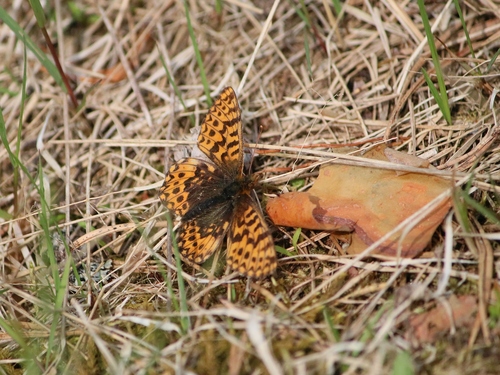
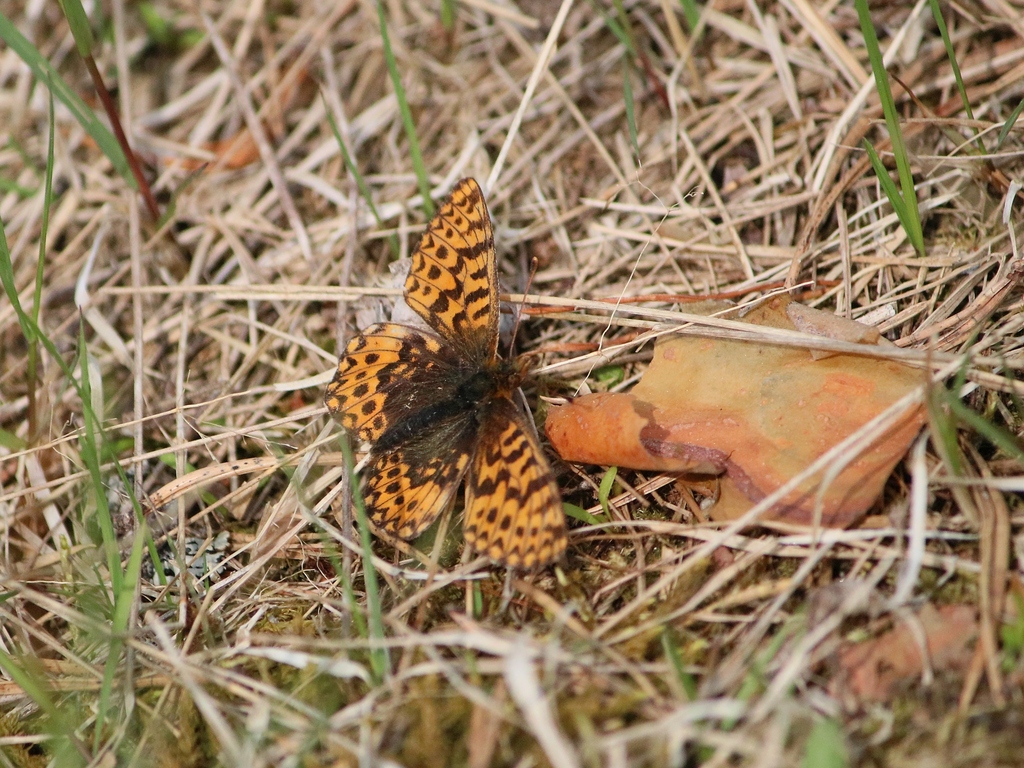
Licensed referenceno rights reserved · cc0
—observations
—countries
—peak records
Least ConcernConservation statusIUCN Red List categoriesLCNTVUENCREWEXLeast ConcernRed List categories, explained →
Diet & prey
- Nectar from tundra wildflowers
- Cloudberry foliage
- Bearberry foliage
Predators
- Insectivorous birds
- Spiders
- Dragonflies
ThreatsClimate change, peatland degradation, and loss of specialized bog habitat near southern distribution edges
HabitatsSubarctic peat bogs, alpine tundra, high-latitude open pine woods, and northern heathlands
Life span1–2 years (including multi-year larval overwintering); adults live 2–4 weeks
Size / weightNot available
Classification
- FamilyNymphalidae
- SpeciesBoloria freija
Range data is not available yet.
Interaction riskLow
- Low
- Moderate
- High
- Very high
- Why interaction risk is low
- Safe to observe at a normal distance.
Responsible observation
- Location: Search open sunny bogs, heathlands, and arctic tundra during early summer flight periods.
- Approach: Move slowly when adults land on low vegetation, dwarf shrubs, or damp soil to bask.
- Identification: Inspect the underside hindwing for bold white zig-zag bands and central arrowhead marks.
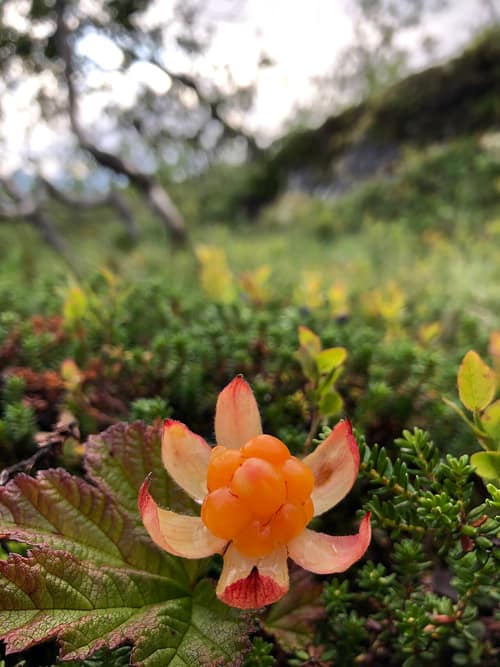
Host Plant Moravice / CC BY-SA 4.0 · cc-by-sa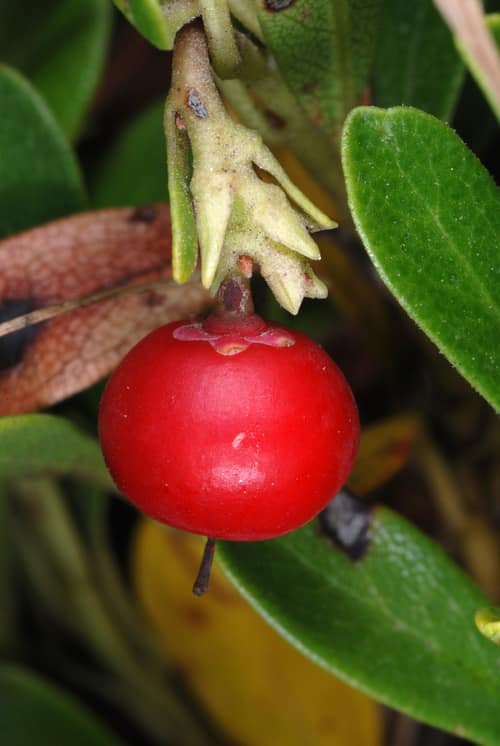
Host Plant (c) Douglas Goldman, some rights reserved (CC BY-SA), uploaded by Douglas Goldman · cc-by-sa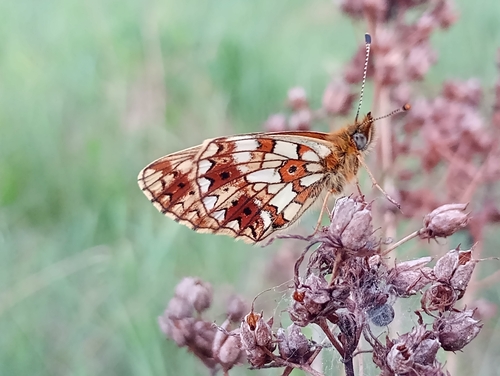
Close Relative (c) mnauky, some rights reserved (CC BY) · cc-by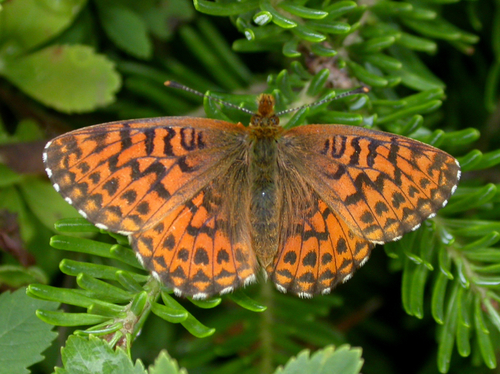
Close Relative no rights reserved, uploaded by Kent P. McFarland · cc0
Help improve the field guideSomething wrong?
Checking your Fauna account…Report a name, category, or profile issue for review.