
Insect · GBIF taxon 4299213
Malachite
Siproeta stelenesAlso known as Malachite Butterfly
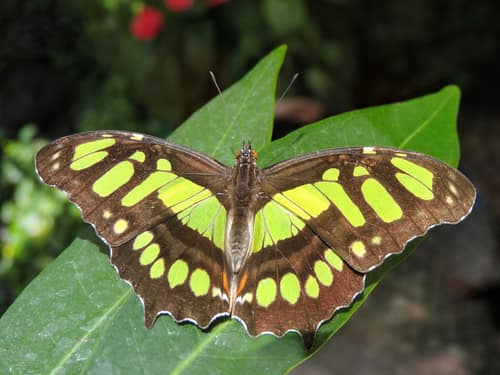
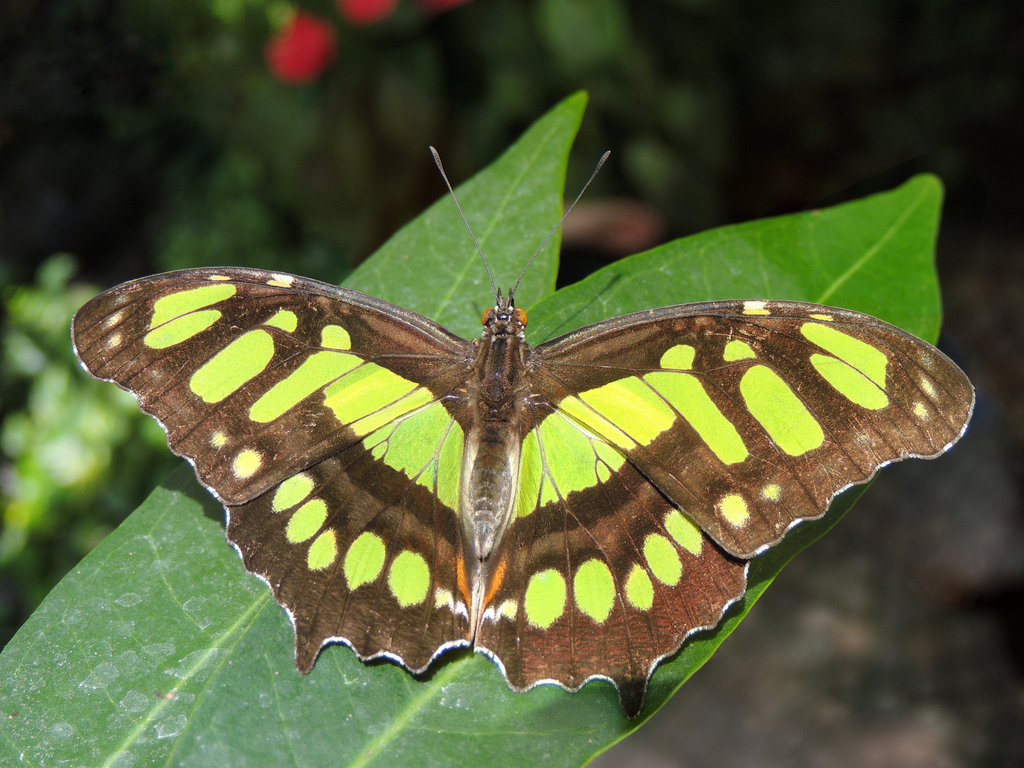
Malachites glide gracefully through sunlit clearings and tropical forest canopies, flashing vibrant green and black wing patterns that mimic toxic heliconian butterflies. Unlike many floral nectar feeders, adults feed heavily on fermenting fallen fruit, decomposing organic matter, and damp soil mineral deposits. Females lay dark green eggs singly on the foliage of Acanthaceae plants, producing spiny, horn-headed caterpillars that pupate into pale green chrysalises.
TropicalColorfulDiurnal
—observations
—countries
—peak records
Not EvaluatedConservation statusIUCN Red List categoriesLCNTVUENCREWEXNot Evaluated — not placed on the risk ladderRed List categories, explained →
Diet & prey
- Fermenting fruit juice
- Flower nectar
- Tree sap
Predators
- Insectivorous birds
- Anole lizards
- Orb-weaver spiders
ThreatsHabitat destruction from deforestation, agricultural expansion, and intensive pesticide use
HabitatsTropical rainforest edges, secondary growth, river corridors, fruit orchards, and gardens
Life span3–6 weeks as adult butterfly
Size / weightNot available
Classification
- OrderLepidoptera
- FamilyNymphalidae
- GenusSiproeta
- SpeciesSiproeta stelenes
Range data is not available yet.
Interaction riskLow
- Low
- Moderate
- High
- Very high
- Why interaction risk is low
- Safe to observe at a normal distance.
Responsible observation
- Spotting Sites: Watch for adults basking on high foliage along sunny forest trails or gathering on muddy paths to drink minerals.
- Fruit Feeding: Observe quietly around fermenting fallen mangoes or bananas where they become engrossed in feeding.
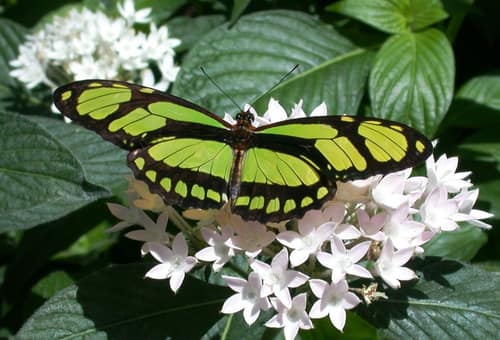
Look-alike (c) Cyndy Sims Parr, some rights reserved (CC BY-SA) · cc-by-sa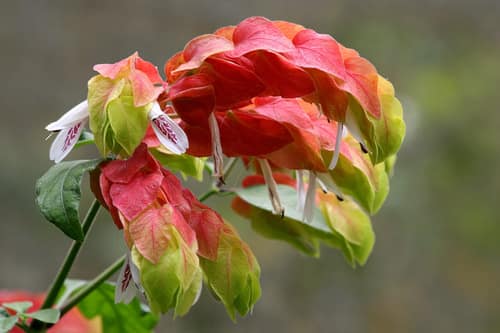
Host Plant Rror / CC BY-SA 3.0 · cc-by-sa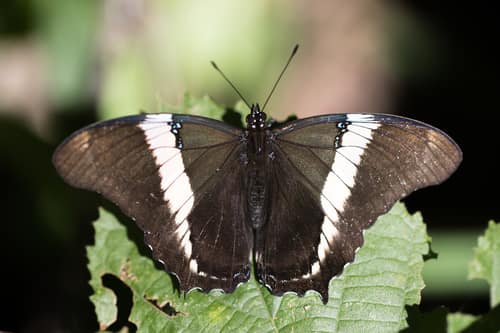
Close Relative no rights reserved, uploaded by Frank Thomas Sautter · cc0
Same Family (c) Carlos Alexandre Mattos Raposo, some rights reserved (CC BY-SA), uploaded by Carlos Alexandre Mattos Raposo · cc-by-sa
Keep collecting in Fauna
Found in Collections
Ecosystem chain Pro
Mystic Meadows
Malachite is found in this collection. Identify it in Fauna to fill this slot and continue your progress.
Unlock to track progress
Help improve the field guideSomething wrong?
Checking your Fauna account…Report a name, category, or profile issue for review.