
Species · GBIF taxon 4286657
Marcusenius macrolepidotus
Marcusenius macrolepidotusAlso known as Bulldog, Bulldog Fish, Large-scaled Bulldog
Marcusenius macrolepidotus navigates murky river bottoms and densely vegetated margins using an electric organ located near its tail, generating weak pulses to build a three-dimensional sensory map of its surroundings. By night, shoals emerge to probe soft sediment with their fleshy chin lobes, hunting benthic larvae and communicating through subtle variations in electric signal frequency. During the breeding season, adults migrate into flooded river margins and backwaters where submerged vegetation provides shelter for their adhesive eggs.
FreshwaterNocturnalElectroreceptive
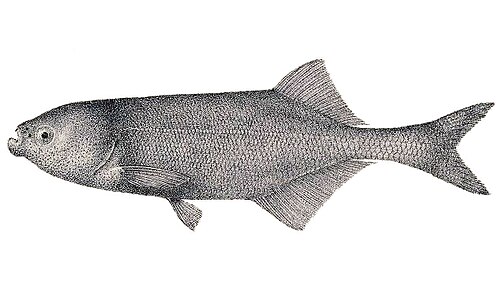
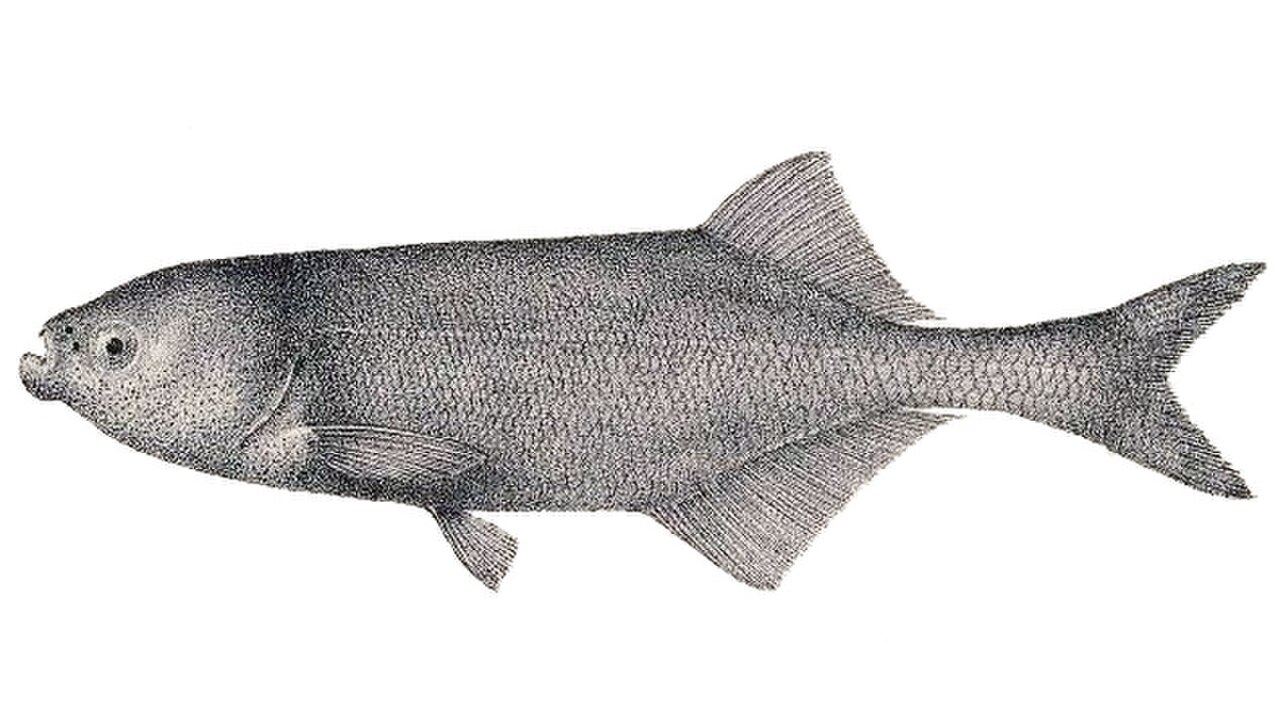
Licensed referenceBoulenger, George Albert; Loat, L. / CC BY 2.5 · cc-by
—observations
—countries
—peak records
Least ConcernConservation statusIUCN Red List categoriesLCNTVUENCREWEXLeast ConcernRed List categories, explained →
Diet & prey
- Chironomid larvae
- Mayfly nymphs
- Freshwater shrimps
Predators
- Tigerfish
- African Sharptooth Catfish
- African Fish Eagle
ThreatsWater pollution, agricultural runoff, dam construction, and wetland drainage
HabitatsSlow-flowing lowland rivers, floodplains, lagoons, and vegetated lakes
Life span4–8 years
Classification
- FamilyMormyridae
- SpeciesMarcusenius macrolepidotus
Range data is not available yet.
Interaction riskLow
- Low
- Moderate
- High
- Very high
- Why interaction risk is low
- Safe to observe at a normal distance.
Responsible observation
- Night Observation: Use an underwater red flashlight to watch nocturnal foraging without startling the shoal.
- Acoustic Detection: Submerge a simple hydrophone or audio amplifier to listen to their rapid electrical discharge pulses.
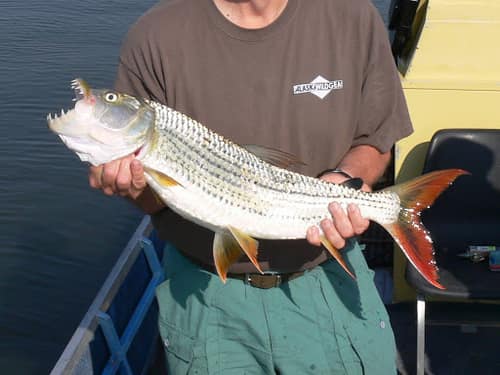
Predator (c) 116916927065934112165, some rights reserved (CC BY), uploaded by 116916927065934112165 · cc-by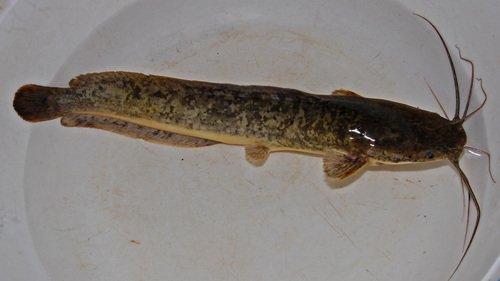
Predator (c) Wie146, some rights reserved (CC BY-SA) · cc-by-sa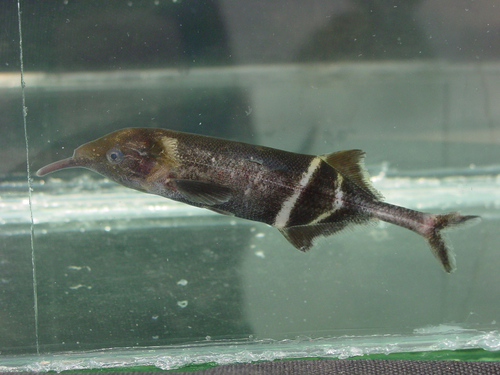
Same Family (c) John P Friel, some rights reserved (CC BY), uploaded by John P Friel · cc-by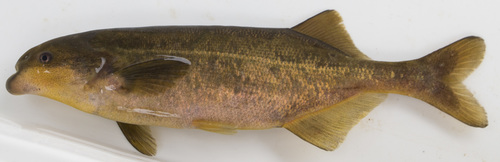
Close Relative (c) Mahomed Desai, some rights reserved (CC BY), uploaded by Mahomed Desai · cc-by
Help improve the field guideSomething wrong?
Checking your Fauna account…Report a name, category, or profile issue for review.