
Species
Nile Tilapia
Oreochromis niloticusAlso known as Mango Fish, Nilotica, Boulti
Nile tilapia are hardy, adaptable cichlids recognizable by the distinctive vertical dark bars along their body and tail fin. Females are maternal mouthbrooders, holding fertilized eggs and newly hatched fry inside their mouths for protection until the young are ready to forage independently. Widely introduced across tropical regions for aquaculture, they frequently outcompete native fish species due to their rapid reproduction and flexible diet.
FreshwaterMouthbrooderAquaculture
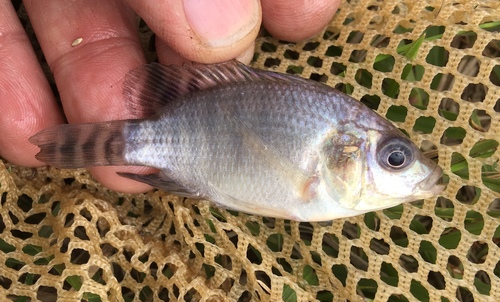
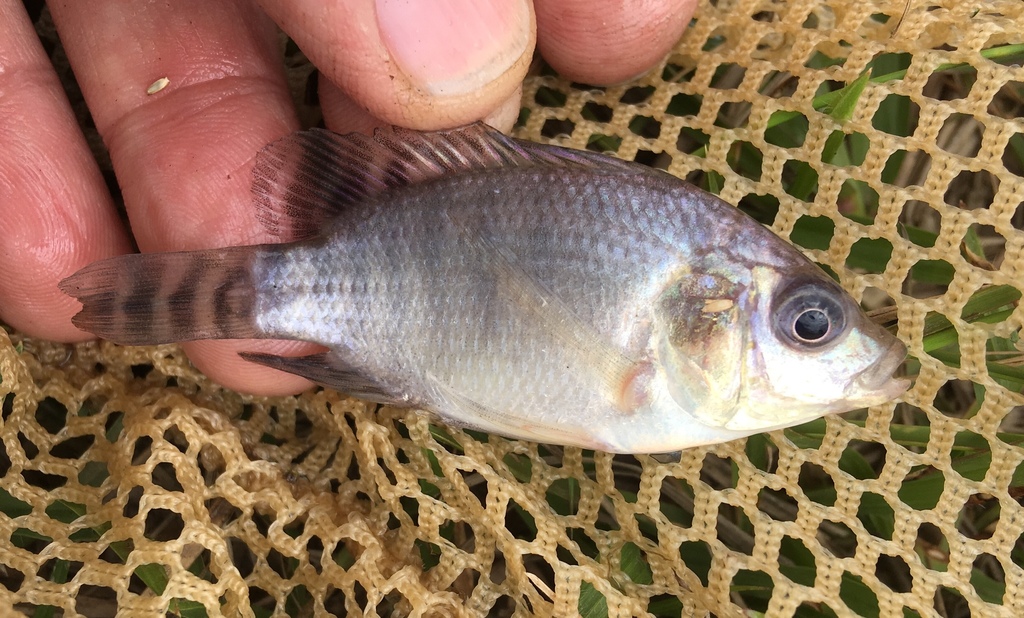
—observations
—countries
—peak records
Least ConcernConservation statusIUCN Red List categoriesLCNTVUENCREWEXLeast ConcernRed List categories, explained →
Diet & preyPhytoplankton, Filamentous Algae, Aquatic Insects
Predators
- Nile Crocodile
- African Fish Eagle
- Large Cormorant
ThreatsHabitat degradation, native population hybridization, overfishing
HabitatsRivers, lakes, reservoirs, ponds, and brackish estuaries
Life span10–15 years
Classification
- OrderPerciformes
- FamilyCichlidae
- GenusOreochromis
- SpeciesOreochromis niloticus
Range data is not available yet.
Interaction riskLow
- Low
- Moderate
- High
- Very high
- Why interaction risk is low
- Safe to observe at a normal distance.
Responsible observation
- Polarized Lenses: Wear polarized sunglasses to spot mouthbrooding females guarding fry in shallow waters.
- Angling Handling: Grasp behind the head to avoid sharp spiny rays on the dorsal fin.
- Invasive Awareness: Never relocate live individuals into non-native wild waterways.
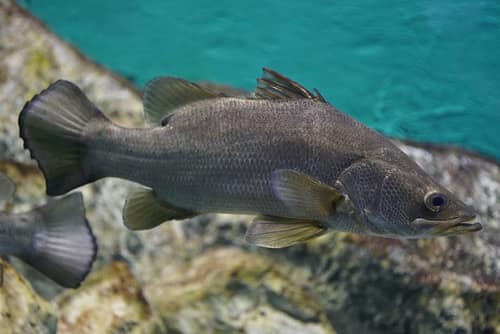
Predator (c) Daiju Azuma, some rights reserved (CC BY-SA) · cc-by-sa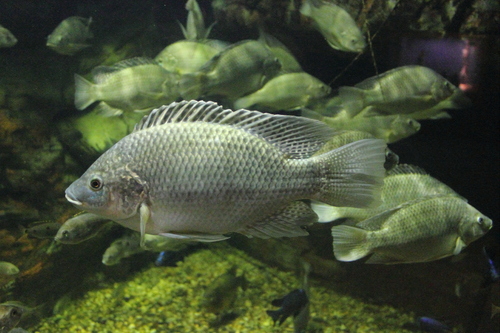
Close Relative (c) Greg Hume, some rights reserved (CC BY-SA) · cc-by-sa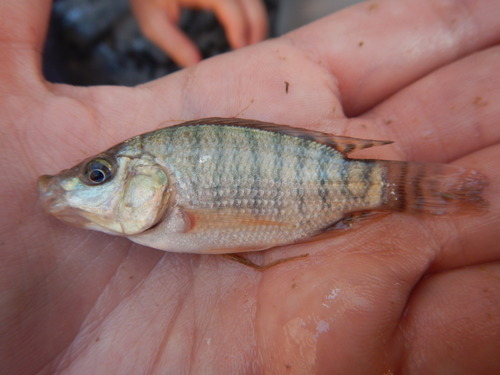
Close Relative (c) Fishes of Texas team, some rights reserved (CC BY-SA), uploaded by Fishes of Texas team · cc-by-sa
Help improve the field guideSomething wrong?
Checking your Fauna account…Report a name, category, or profile issue for review.