
Mammal · GBIF taxon 4267329
Bengal Slow Loris
Nycticebus bengalensisAlso known as Northern Slow Loris
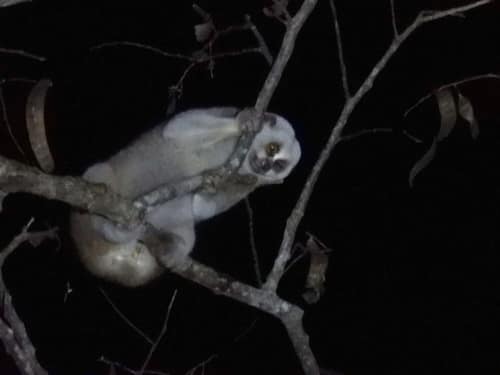
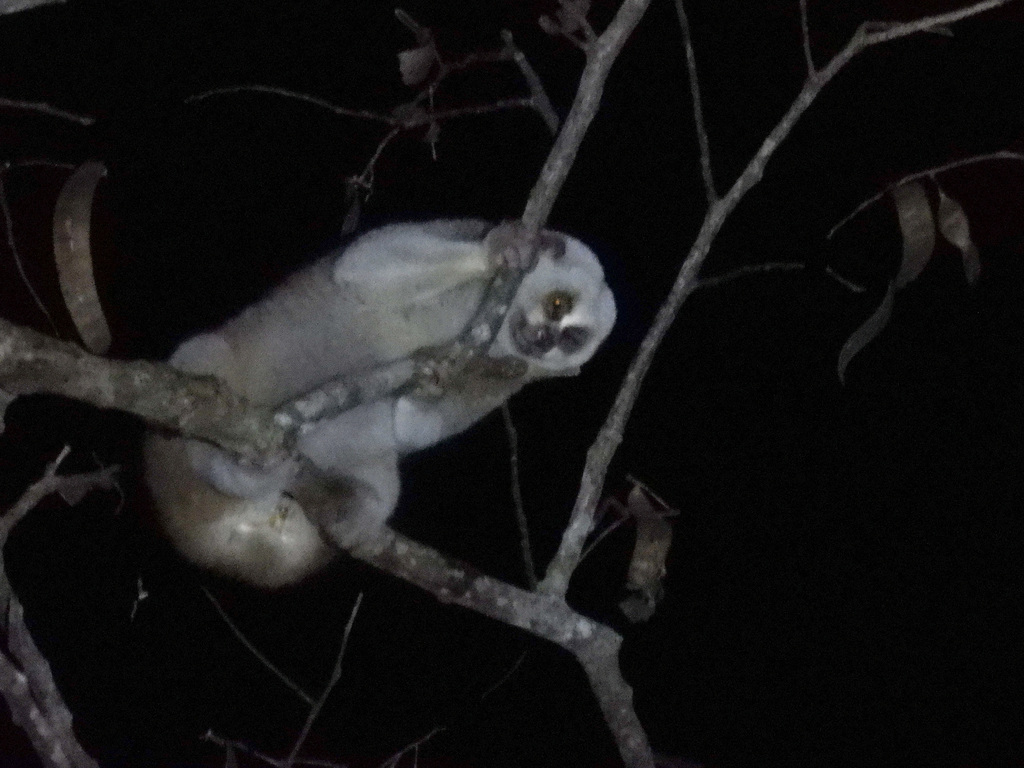
Bengal slow lorises navigate the high canopy of Southeast Asian rainforests with slow, deliberate grips, rarely descending to the forest floor. They rely heavily on tree gum and floral nectar, gouging bark with specialized lower teeth known as a toothcomb to stimulate sap flow. As night falls, these solitary primates communicate across territories through scent marking and soft ultrasonic calls.
NocturnalArborealVenomous
—observations
—countries
—peak records
EndangeredConservation statusIUCN Red List categoriesLCNTVUENCREWEXEndangeredRed List categories, explained →
Diet & prey
- Tree gum
- Floral nectar
- Insects
Predators
- Pythons
- Hawk-eagles
- Leopards
ThreatsPoaching for pet trade, traditional medicine, and habitat destruction
HabitatsTropical rainforests, evergreen forests, and bamboo thickets
Life span15–20 years
Size / weightNot available
Classification
- FamilyLorisidae
- SpeciesNycticebus bengalensis
Range data is not available yet.
Interaction riskVery high
- Low
- Moderate
- High
- Very high
- Why interaction risk is very high
- Delivers a venomous bite using toxic brachial gland secretions mixed with saliva; observe safely from a distance.
- Why it is dangerous
- Secretes oil from arm glands that combines with saliva to produce venom capable of causing severe anaphylactic shock.
- How to recognize a risky encounter
- Look for prominent dark rings around large brown eyes separated by a pale stripe on a rounded head.
- What to do
- Never attempt to touch or catch a loris; notify local rescue groups if an individual is stranded or captive.
- What to notice
- Identified by woolly dense fur and deliberate, hand-over-hand climbing along canopy branches.
- Support conservation
- Keep noise to a minimum, avoid sudden movements, and never disclose precise wild coordinates online.
Responsible observation
- Lighting: Use a red-filtered flashlight for night searches to prevent blinding their sensitive eyes.
- Distance: Maintain a respectful buffer of several meters while animals forage in the canopy.
- Support: Choose responsible eco-tours that actively discourage selfie tourism and illegal handling.

Help improve the field guideSomething wrong?
Checking your Fauna account…Report a name, category, or profile issue for review.