
Mammal · GBIF taxon 4265714
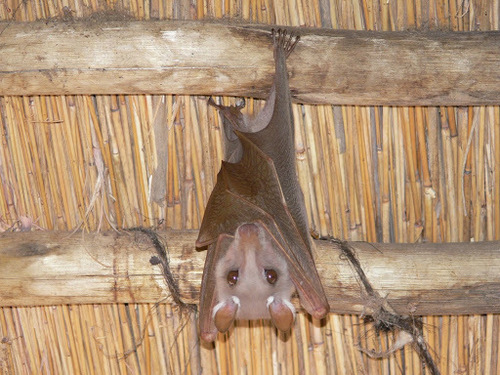
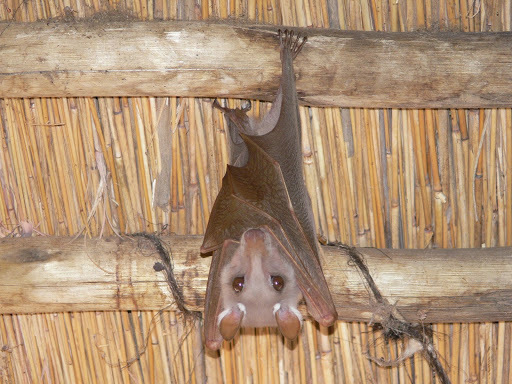
Peters's Epauletted Fruit Bat
Epomophorus crypturusAlso known as Peters's Fruit Bat, Peters' Fruit Bat
Peters's epauletted fruit bats roost communally in dense riverine foliage, where their cryptic brownish fur and dog-like facial profiles blend seamlessly into dappled canopies. During mating periods, courting males erect vivid white shoulder tufts from hidden glandular pouches and emit rhythmic, metallic pinging calls that echo across the night forest for hours. By plucking ripe fruits to feed on the wing and discarding seeds far from parent trees, these bats serve as indispensable dispersers for African woodland ecosystems.
NocturnalFrugivoreMammal
—observations
—countries
—peak records
Least ConcernConservation statusIUCN Red List categoriesLCNTVUENCREWEXLeast ConcernRed List categories, explained →
Diet & prey
- Sycamore Fig
- Jackalberry Fruit
- Wild Date Palm
Predators
- Barn Owl
- Genets
- African Rock Python
ThreatsDeforestation, riparian habitat degradation, and persecution by commercial fruit growers
HabitatsRiverine forest, evergreen forest, moist woodland, and fruit orchards
Life span10–15 years
Size / weightNot available
Classification
- FamilyPteropodidae
- SpeciesEpomophorus crypturus
Range data is not available yet.
Interaction riskModerate
- Low
- Moderate
- High
- Very high
- Why interaction risk is moderate
- Can carry zoonotic pathogens and bite defensively; observe roosts from a distance without touching.
- Why it is dangerous
- Like many bats, they can host zoonotic viruses transmissible via saliva and possess sharp canine teeth that readily puncture skin.
- How to recognize a risky encounter
- Identifiable by its medium size, blunt dog-like muzzle, large eyes, and white tufts at the base of each ear.
- What to do
- Never handle grounded or injured bats bare-handed; contact local wildlife rescue authorities for safe collection.
Responsible observation
- Night Listening: Listen after dusk in riverine woods for the repetitive, ringing metallic pings produced by advertising males.
- Day Roosting Etiquette: Maintain a quiet perimeter beneath known roost trees to prevent distressing resting colonies.
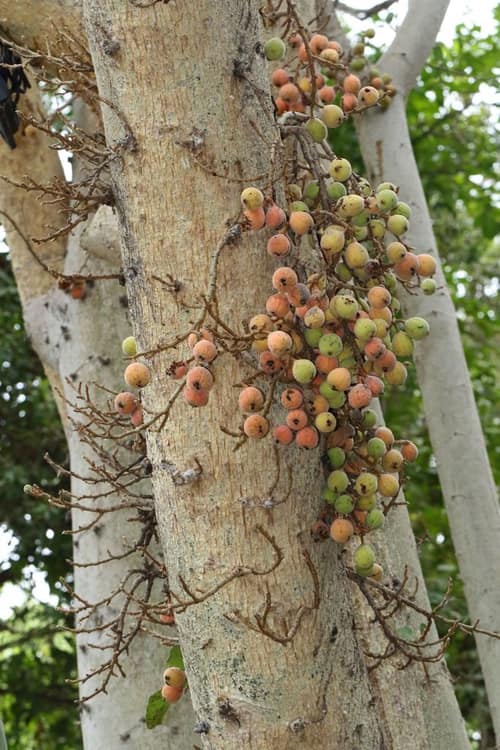
Food Plant (c) Alan Manson, some rights reserved (CC BY), uploaded by Alan Manson · cc-by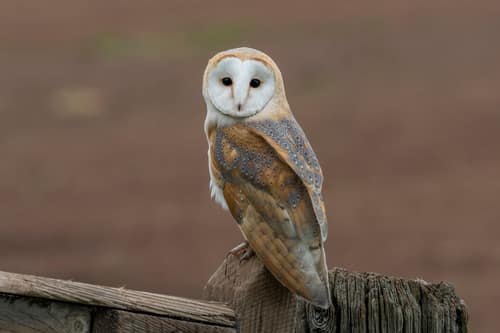
Predator (c) caroline legg, some rights reserved (CC BY) · cc-by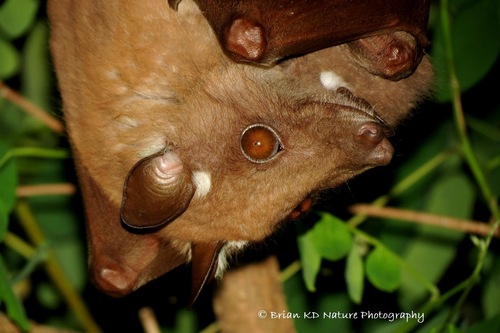
Close Relative (c) Brian du Preez, some rights reserved (CC BY-SA), uploaded by Brian du Preez · cc-by-sa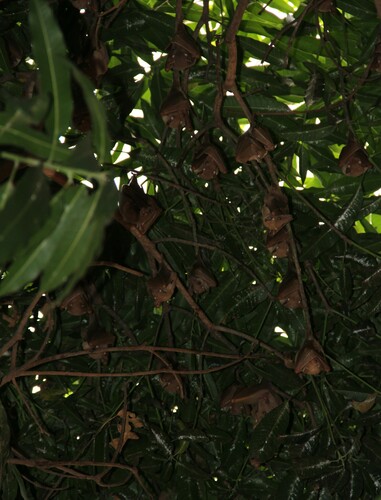
Close Relative (c) Lucy Keith-Diagne, some rights reserved (CC BY) · cc-by
Help improve the field guideSomething wrong?
Checking your Fauna account…Report a name, category, or profile issue for review.