
Mammal · GBIF taxon 4265598
Hispaniolan Greater Funnel-eared Bat
Natalus majorAlso known as Hispaniolan Funnel-eared Bat, Greater Caribbean Funnel-eared Bat
Hispaniolan greater funnel-eared bats feature large, funnel-shaped ears with delicate skin designed to detect precise echolocation cues in dark roosts. These slender insectivores form specialized cave colonies across Hispaniola, darting erratically through dense tropical forest understories at night to hunt soft-bodied insects. Their fragile wings and low wing loading allow exceptional maneuverability in tight quarters, making them effective nocturnal predators.
NocturnalCave DwellerEndemic


Licensed referenceSurfer43 / CC BY-SA 3.0 · cc-by-sa
—observations
—countries
—peak records
Near ThreatenedConservation statusIUCN Red List categoriesLCNTVUENCREWEXNear ThreatenedRed List categories, explained →
Diet & prey
- Moths
- Flies
- Beetles
Predators
- Barn Owl
- Hispaniolan Boa
- Cave Centipede
ThreatsCave roost disturbance, habitat loss, climate change, severe storms
HabitatsSubtropical moist forests, karst caves, subterranean chambers
Life span10 to 15 years
Size / weightNot available
Classification
- FamilyNatalidae
- SpeciesNatalus major
Native
Interaction riskModerate
- Low
- Moderate
- High
- Very high
- Why interaction risk is moderate
- May carry pathogens or bite defensively if handled; observe roosting bats quietly from a distance.
- Why it is dangerous
- Carries potential bat pathogens such as rabies and can deliver a painful bite if handled or cornered.
- How to recognize a risky encounter
- Identified by prominent funnel-shaped ears, soft reddish-tan fur, and delicate elongated tail membranes.
- What to do
- Never touch or handle wild bats; observe roosting groups passively without blocking cave pathways.
- What to notice
- Recognized by its small body, broad pale funnel ears, and fluttering flight near forest edges at dusk.
- Support conservation
- Avoid entering roosting caves during roosting hours and never shine high-powered lights directly at colonies.
Responsible observation
- Cave Etiquette: Keep lights dim and speak quietly to avoid disturbing roosting colonies.
- Observer Distance: Watch foraging bats near cave entrances without attempting to capture them.
- Seasonal Care: Avoid visiting sensitive breeding roosts during the late spring rearing period.
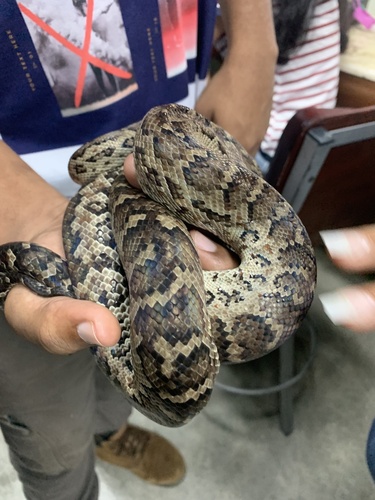
Predator (c) Dairon Cuevas Riveras, some rights reserved (CC BY-SA) · cc-by-sa Image unavailable
Close Relative Close Relative Close Relative
Help improve the field guideSomething wrong?
Checking your Fauna account…Report a name, category, or profile issue for review.