
Mammal
Short-tailed Chinchilla
Chinchilla chinchillaAlso known as Bolivian Chinchilla, Peruvian Chinchilla, Royal Chinchilla
Short-tailed chinchillas are incredibly soft-furred rodents adapted to the harsh, freezing winds of the high Andes, where they live in social colonies within rocky crevices. They navigate steep, vertical terrain with remarkable agility, using their long whiskers to sense their surroundings in the dark. Once widespread, their populations were decimated by the global fur trade, leaving only small, fragmented wild groups in remote mountain areas.
High-AltitudeNocturnal
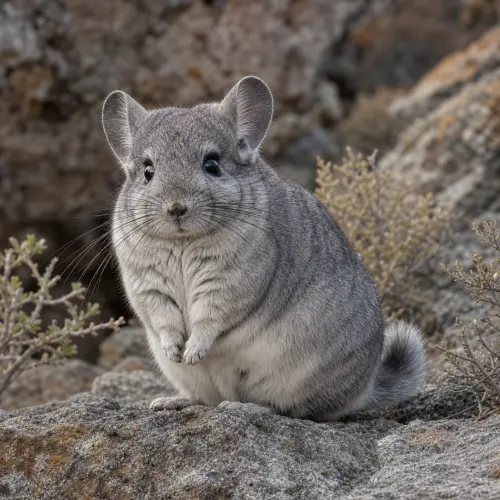
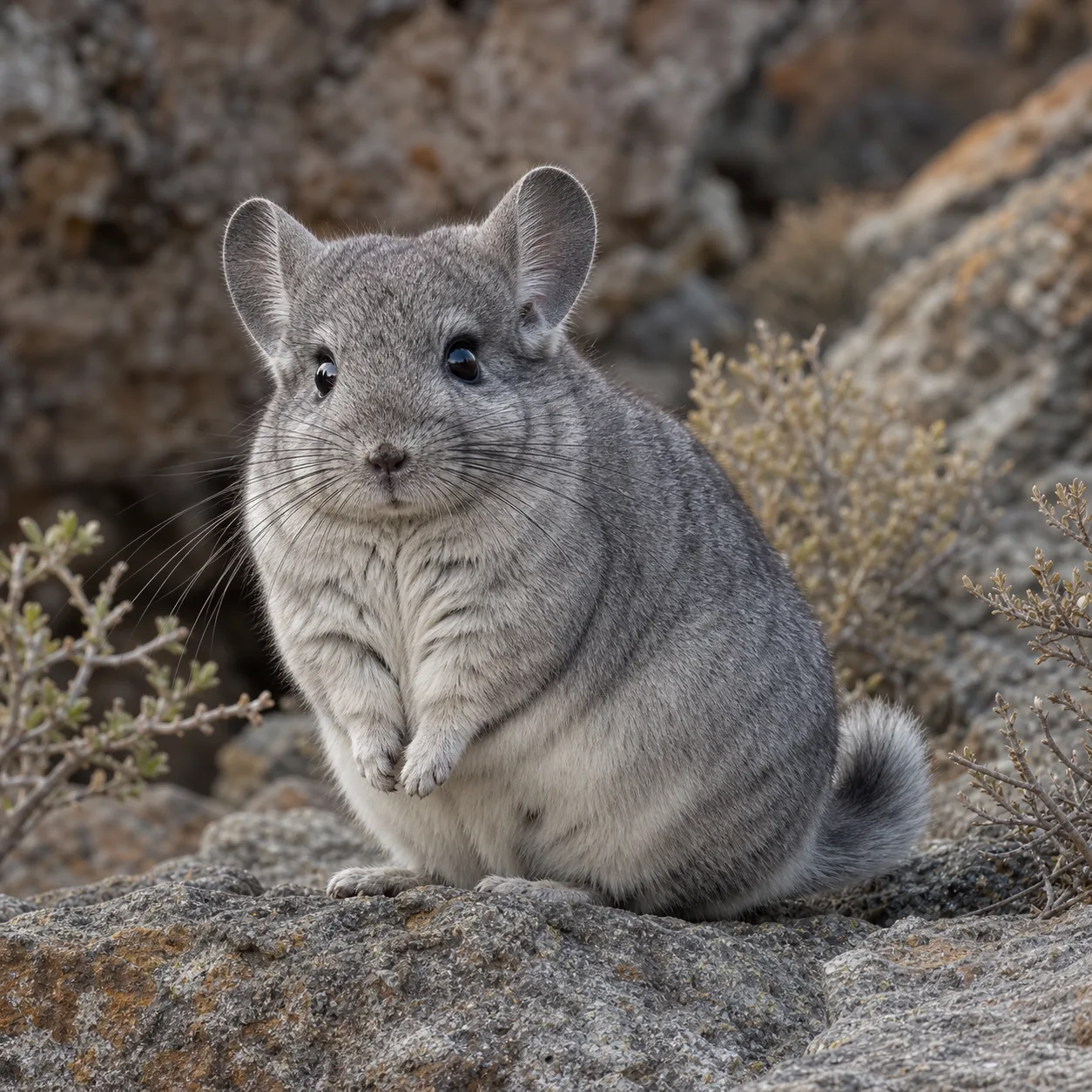
—observations
—countries
—peak records
EndangeredConservation statusIUCN Red List categoriesLCNTVUENCREWEXEndangeredRed List categories, explained →
Diet & preyHerbivorous (grasses, seeds, lichens, and mosses)
Predators
- Andean Mountain Cat
- Culpeo Fox
- Birds of Prey
ThreatsHabitat degradation, mining activities, illegal poaching, and genetic isolation
HabitatsRocky montane grasslands and shrublands at high elevations
Life span8 to 10 years in the wild
Classification
- FamilyChinchillidae
- SpeciesChinchilla chinchilla
Native
Interaction riskLow
- Low
- Moderate
- High
- Very high
- Why interaction risk is low
- Capable of a sharp bite if cornered or handled; observe wild populations from a safe distance.
- What to notice
- Look for a stocky, blue-grey rodent with a short, bushy tail, small ears, and incredibly dense fur.
- Support conservation
- Never attempt to capture or disturb wild colonies; report any sightings to local conservation authorities.
Responsible observation
- Scan rocky crevices: Look for them sunbathing on rocky ledges during early morning hours.
- Listen for vocalizations: Listen for high-pitched squeaks and warning whistles echoing off canyon walls.
- Keep your distance: Avoid approaching active colonies to prevent scaring them into deep rock fissures.
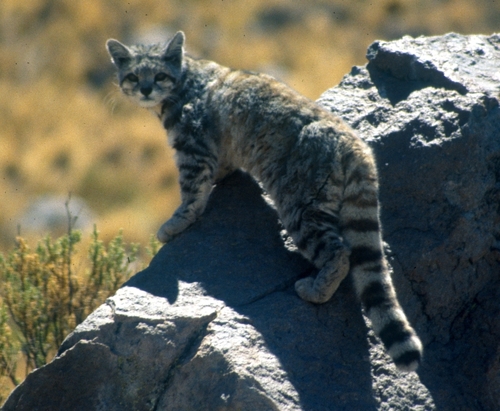
Predator (c) Jim Sanderson, some rights reserved (CC BY-SA) · cc-by-sa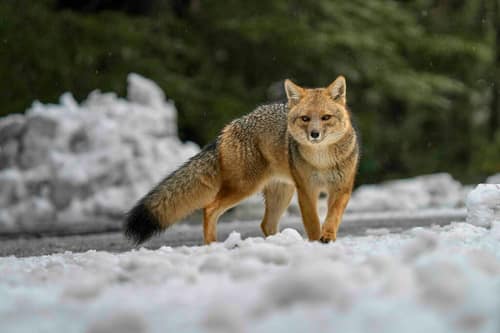
Predator (c) Luciano Massa, some rights reserved (CC BY), uploaded by Luciano Massa · cc-by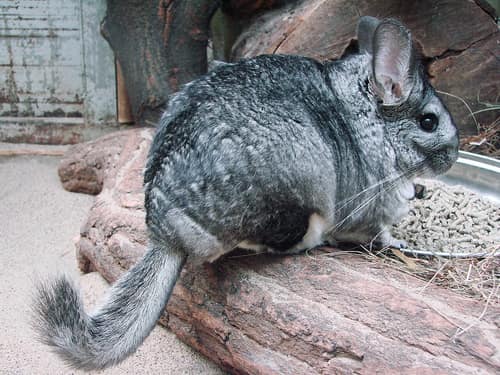
Close Relative Guérin Nicolas (messages) / CC BY-SA 3.0 · cc-by-sa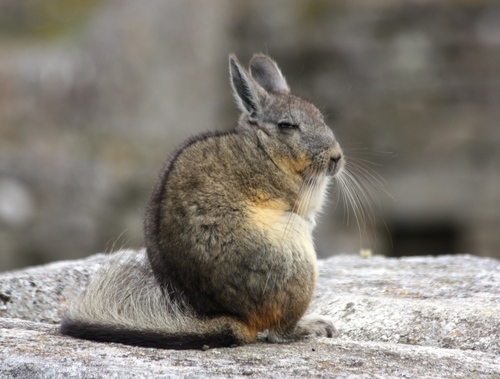
Close Relative no rights reserved · cc0
Help improve the field guideSomething wrong?
Checking your Fauna account…Report a name, category, or profile issue for review.