
Mammal
Smoky Pocket Gopher
Cratogeomys fumosusAlso known as Volcano Pocket Gopher, Mexican Pocket Gopher
Smoky pocket gophers lead an intensely fossorial life across central Mexico, engineering extensive subterranean tunnel networks that aerate volcanic soils and reshape plant communities. Solitary and fiercely territorial, individuals rarely emerge above ground, using enormous, continuously growing incisors and powerful front claws to excavate burrows. They transport cut roots, tubers, and succulent stems in fur-lined, external cheek pouches back to deep underground storage chambers.
FossorialEndemicBurrowing
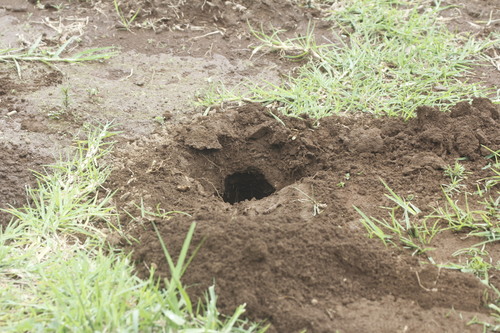
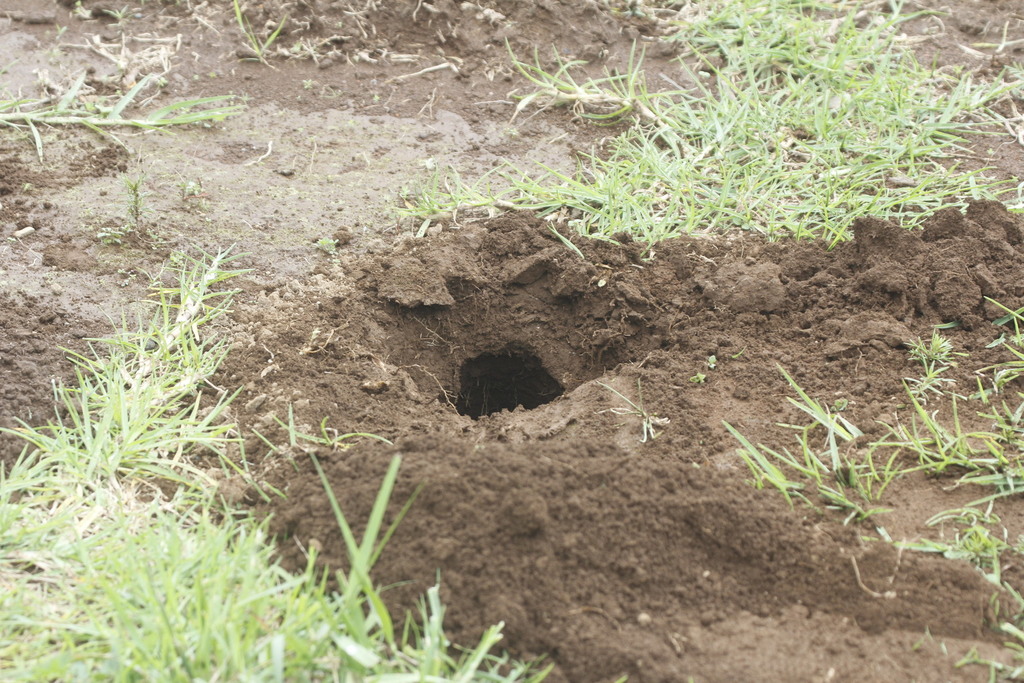
—observations
—countries
—peak records
Least ConcernConservation statusIUCN Red List categoriesLCNTVUENCREWEXLeast ConcernRed List categories, explained →
Diet & preyPlant tubers, Roots, Grass shoots
Predators
- Barn Owl
- Coyote
- Gopher Snake
ThreatsAgricultural persecution, habitat conversion, urban expansion
HabitatsVolcanic grasslands, scrublands, pine-oak woodlands, agricultural fields
Life span2–4 years
Classification
- FamilyGeomyidae
- SpeciesCratogeomys fumosus
Range data is not available yet.
Interaction riskLow
- Low
- Moderate
- High
- Very high
- Why interaction risk is low
- Possesses sharp incisors and claws capable of biting defensively; never attempt to handle wild individuals.
- Why it is dangerous
- Equipped with strong jaws, chisel-like incisors, and sturdy digging claws capable of inflicting painful cuts and punctures if grasped.
- How to recognize a risky encounter
- Heavy-bodied, dark brown to smoky-gray rodent with external fur-lined cheek pouches, tiny eyes, and reduced external ears.
- What to do
- Keep hands clear of active burrow openings and never corner or attempt to capture an exposed animal.
Responsible observation
- Spotting Mounds: Look for fresh, fan-shaped piles of dark earth with plugged central entrances in highland pastures.
- Watching at Dusk: Remain still and quiet near fresh diggings in the late afternoon for a brief glimpse of an active gopher.
- Do Not Dig: Avoid disturbing burrow systems, as collapsed tunnels can disrupt their complex subterranean food stores.
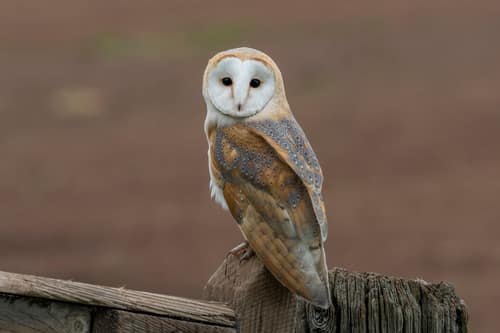
Predator (c) caroline legg, some rights reserved (CC BY) · cc-by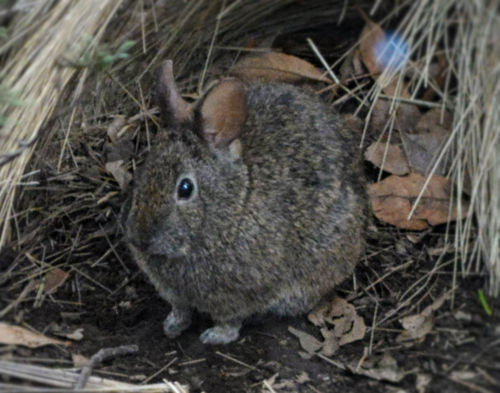
Neighbor ProtoplasmaKid / CC BY-SA 4.0 · cc-by-sa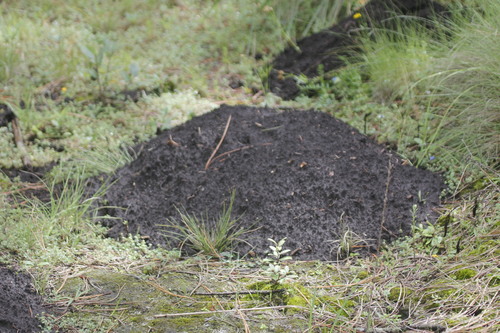
Close Relative (c) Juan Cruzado Cortés, some rights reserved (CC BY-SA), uploaded by Juan Cruzado Cortés · cc-by-sa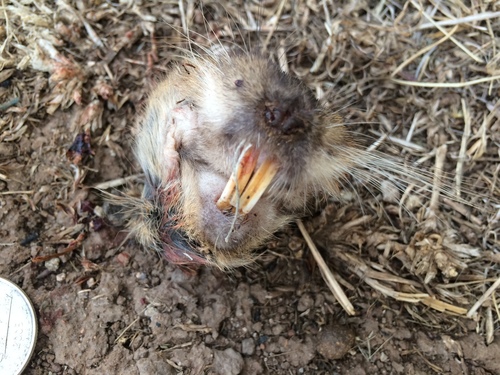
Close Relative no rights reserved, uploaded by Chris (CP) and Pamela (PP) Pipes · cc0
Help improve the field guideSomething wrong?
Checking your Fauna account…Report a name, category, or profile issue for review.