
Species · GBIF taxon 4262645
Nyassa Wildebeest
Connochaetes taurinus johnstoniAlso known as Johnston's Wildebeest, White-banded Wildebeest
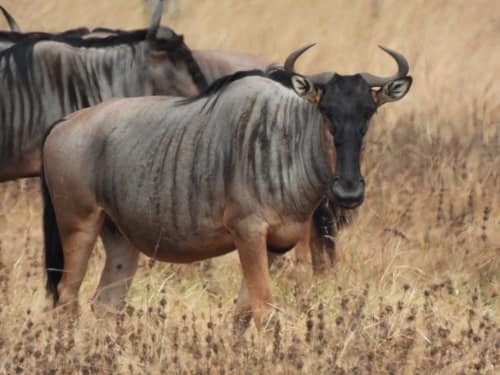
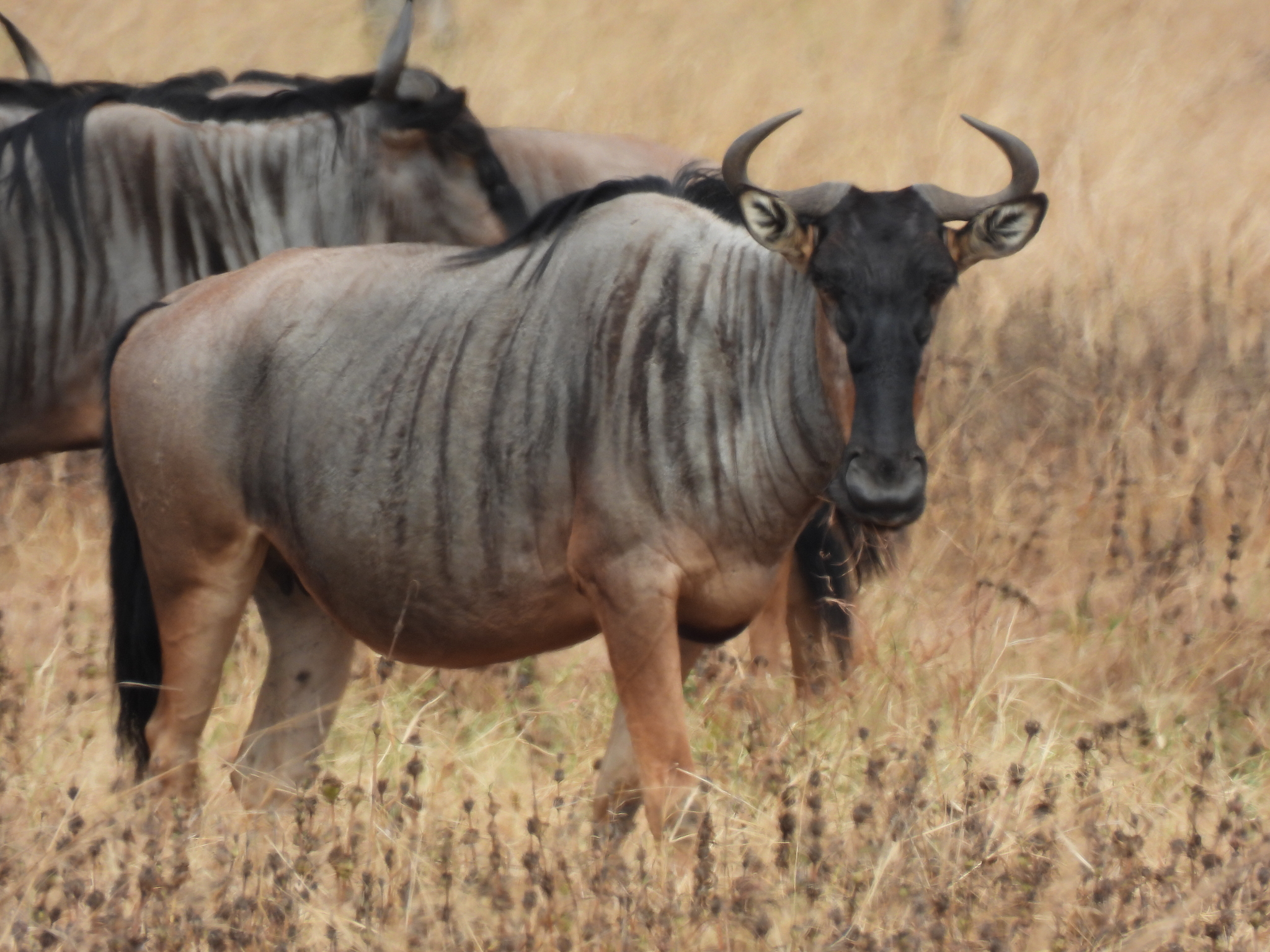
Nyassa wildebeest are striking, social antelopes distinguished by a prominent white band stretching across their dark muzzles. These bulk grazers play a vital role in shaping the savanna ecosystem by cropping tall grasses and stimulating new growth. During the dry season, herds gather in large numbers around permanent water sources, embarking on localized migrations to find fresh pastures.
MigratorySocialGrassland
—observations
—countries
—peak records
Least ConcernConservation statusIUCN Red List categoriesLCNTVUENCREWEXLeast ConcernRed List categories, explained →
Diet & prey
- Red Oat Grass
- Finger Grass
- Panicum Grasses
Predators
- Lion
- Spotted Hyena
- Nile Crocodile
ThreatsPoaching, habitat fragmentation, and severe drought
HabitatsSavannas, open woodlands, and grassy plains
Life span15 to 20 years
Size / weightNot available
Classification
- FamilyBovidae
- SpeciesConnochaetes taurinus johnstoni
Range data is not available yet.
Interaction riskHigh
- Low
- Moderate
- High
- Very high
- Why interaction risk is high
- Large herd animals that can charge if threatened; maintain a safe distance of at least 30 meters.
- Why it is dangerous
- Adults are powerful, heavy bovids capable of charging and trampling if cornered, startled, or defending calves.
- How to recognize a risky encounter
- Look for the distinctive white stripe across the snout and curved, bracket-shaped horns.
- What to do
- Never approach on foot; observe strictly from a vehicle and give crossing herds a wide berth.
- What to notice
- Recognized by their blue-grey coat, dark vertical stripes, and white facial chevron.
- Support conservation
- Support local conservation initiatives and report any signs of illegal snaring to park rangers.
Responsible observation
- Binocular Viewing: Use binoculars to spot the diagnostic white band across their muzzle from a safe distance.
- Respect Migration Paths: Avoid blocking active game trails or waterhole approaches during seasonal movements.
- Vehicle Etiquette: Stay inside safari vehicles when observing herds to prevent triggering a stampede.
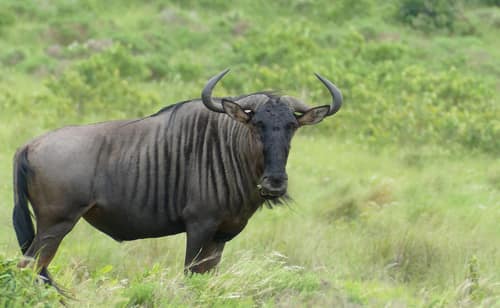
Parent Species Bernard Dupont / CC BY-SA 2.0 · CC BY-SA 2.0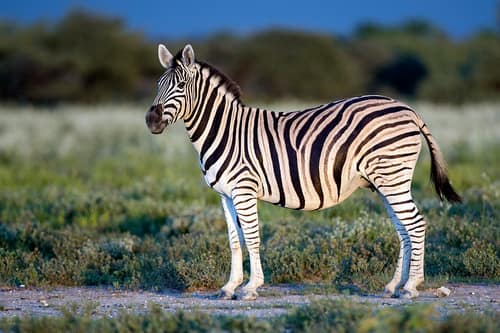
Frequent Companion Yathin S Krishnappa / CC BY-SA 3.0 · cc-by-sa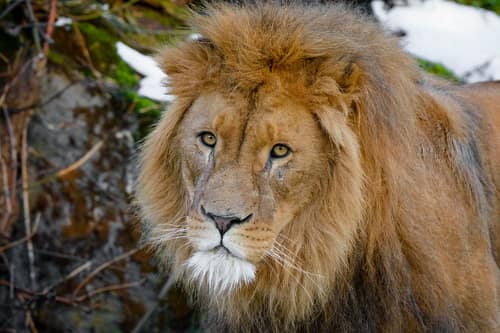
Predator "African Lion" by Mathias Appel is marked with CC0 1.0. To view the terms, visit https://creativecommons.org/publicdomain/zero/1.0/. · cc0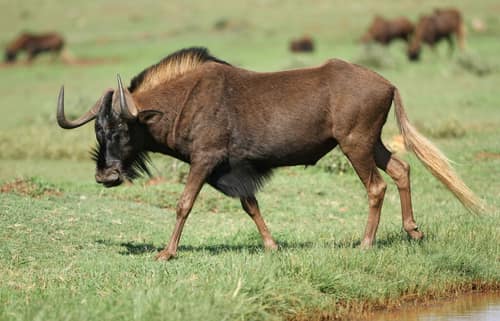
Close Relative (c) Derek Keats, some rights reserved (CC BY) · cc-by
Help improve the field guideSomething wrong?
Checking your Fauna account…Report a name, category, or profile issue for review.