
Mammal · GBIF taxon 4262555
Ovis canadensis californiana
Ovis canadensis californianaAlso known as Rocky Mountain Bighorn Sheep, Desert Bighorn Sheep
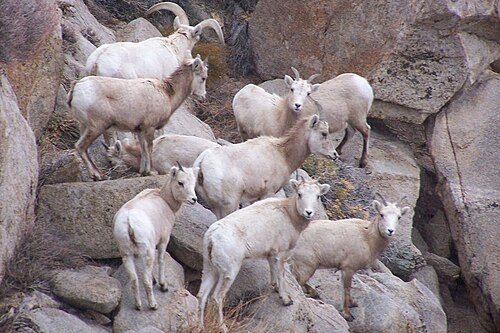
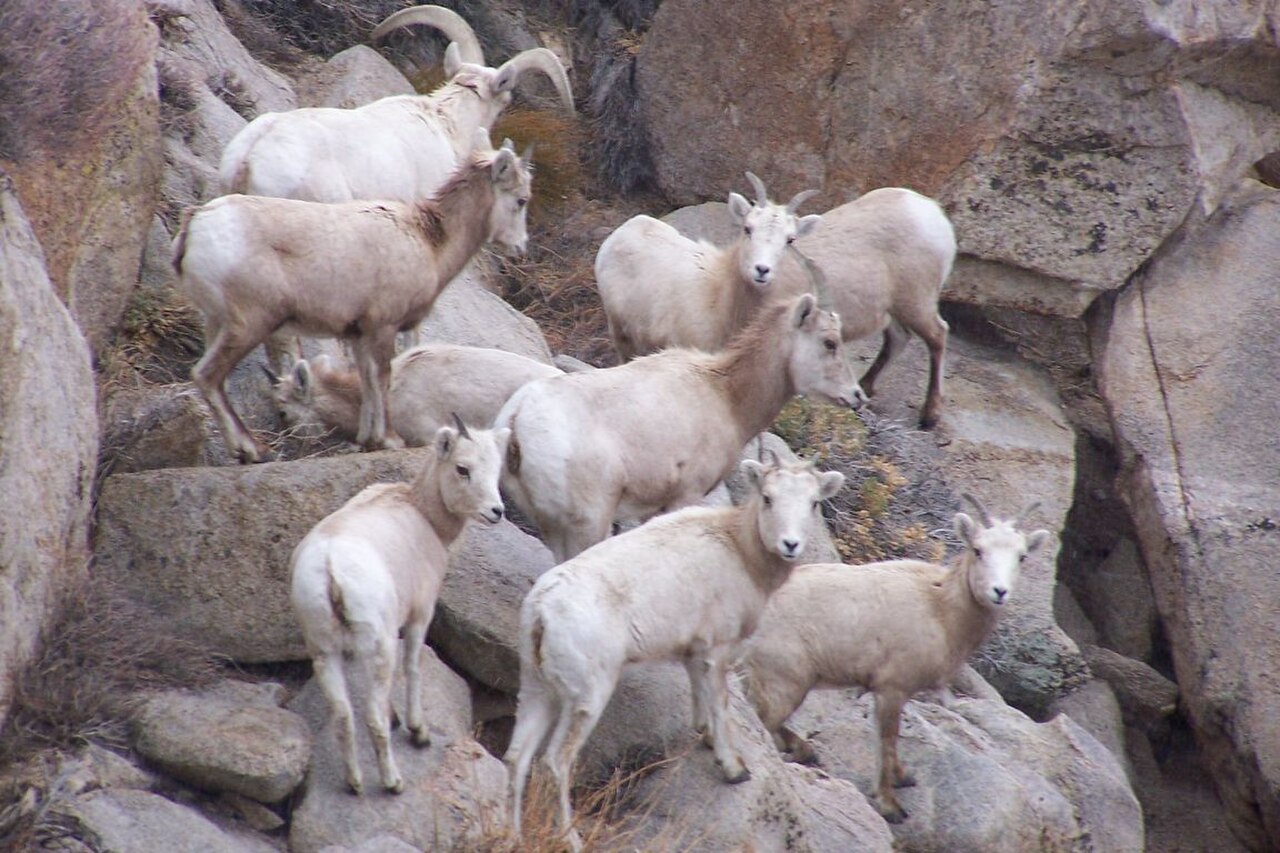
Bighorn sheep navigate dizzying cliffs and precipitous rocky terrain using specialized concave hooves with rubbery pads that grip sheer stone. Dominant rams engage in dramatic head-clashing jousts during the autumn rut, colliding at speeds over 30 kilometers per hour with forces cushioned by double-layered skull bones. Ewes form matrilineal nursery herds along steep escape terrain, teaching lambs critical seasonal migration routes across alpine meadows and arid canyons.
UngulateAlpineHerbivore
 1 / 7
1 / 7—observations
—countries
—peak records
Least ConcernConservation statusIUCN Red List categoriesLCNTVUENCREWEXLeast ConcernRed List categories, explained →
Diet & prey
- Grasses
- Alpine clover
- Sagebrush
Predators
- Cougar
- Gray Wolf
- Coyote
ThreatsRespiratory disease from domestic livestock, habitat fragmentation, and highway collisions
HabitatsAlpine meadows, canyonlands, and rocky cliffs
Life span10–14 years
Classification
- FamilyBovidae
- SpeciesOvis canadensis californiana
Range data is not available yet.
Interaction riskHigh
- Low
- Moderate
- High
- Very high
- Why interaction risk is high
- Large, powerful animals that may charge if cornered; observe from a safe distance with binoculars.
- Why it is dangerous
- Rams and protective ewes can charge, headbutt, or trample perceived threats with immense blunt force.
- How to recognize a risky encounter
- Look for massive curled horns on males, shorter spikes on females, and sandy-brown coats with white rumps.
- What to do
- Give these animals a wide berth, never block their escape route to cliffs, and back away slowly if they show agitation.
Responsible observation
- Spotting scopes: Use high-powered optics to scan cliff faces and open talus slopes from road pullouts.
- Keep distance: Maintain at least 50 meters of distance, especially around rams during the autumn rut.
- Leash dogs: Keep pets restrained because bighorn perceive canines as dangerous predators.
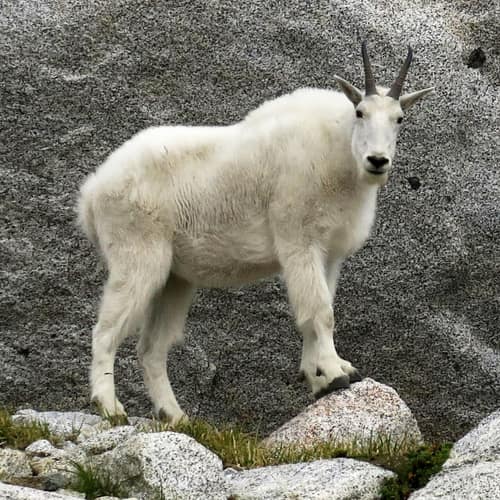
Competitor Adam Schneider / CC BY-SA 4.0 · cc-by-sa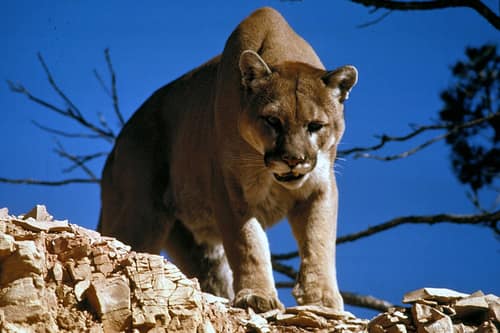
Predator National Park Service / Public domain · cc0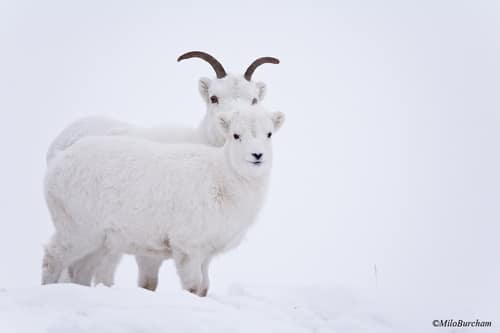
Close Relative (c) Forest Service Alaska Region, USDA, some rights reserved (CC BY) · cc-by
Help improve the field guideSomething wrong?
Checking your Fauna account…Report a name, category, or profile issue for review.