
Mammal · GBIF taxon 4262329
Sitka Black-tailed Deer
Odocoileus hemionus sitkensisAlso known as Sitka Deer, Sitka Blacktail Deer, Sitka Blacktail
Sitka black-tailed deer navigate the dense old-growth temperate rainforests of Southeast Alaska and coastal British Columbia with quiet agility. These compact ungulates rely on heavy forest canopy to intercept winter snow, allowing them access to crucial understory forage like blueberry shrubs and bunchberry. During the autumn breeding season, bucks rub antlers against young saplings and track females through the misty archipelago.
MammalForest DwellerCoastal
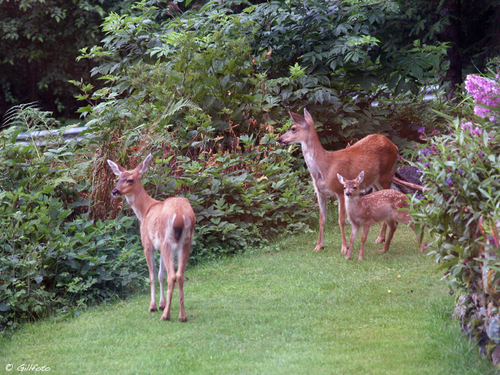
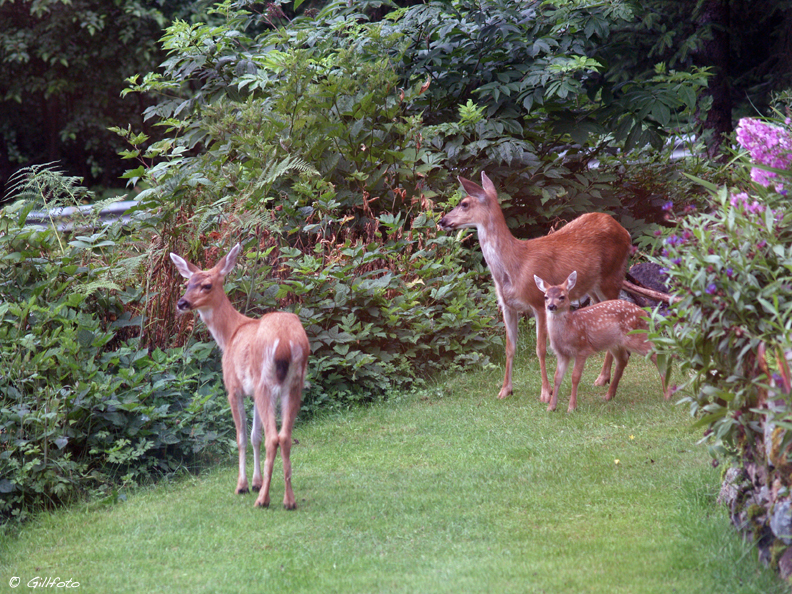
—observations
—countries
—peak records
Least ConcernConservation statusIUCN Red List categoriesLCNTVUENCREWEXLeast ConcernRed List categories, explained →
Diet & prey
- Blueberry Shrubs
- Bunchberry
- Lichens
Predators
- Gray Wolf
- Grizzly Bear
- American Black Bear
ThreatsHabitat Loss from Clear-Cut Logging, Severe Winters
HabitatsTemperate Rainforest, Coastal Islands
Life span10–15 years
Size / weightNot available
Classification
- FamilyCervidae
- SpeciesOdocoileus hemionus sitkensis
Range data is not available yet.
Interaction riskHigh
- Low
- Moderate
- High
- Very high
- Why interaction risk is high
- Keep a safe distance during rut and never feed wild deer, as hooves and antlers can inflict injury.
- Why it is dangerous
- Bucks become aggressive during the autumn rut, while females vigorously protect fawns using sharp hooves.
- How to recognize a risky encounter
- Look for a stocky body, reddish to gray coat, short dark-tipped tail, and large ears.
- What to do
- Maintain a respectful distance of at least 20 to 30 meters and never attempt to feed or approach them.
- What to notice
- Recognized by their compact stature and preference for moss-draped, big-tree coastal rainforests.
- Support conservation
- Stick to established trails in sensitive coastal habitats to avoid driving deer into high-energy winter stress.
Responsible observation
- Observing Distance: Maintain at least 25 meters, especially during the fall breeding season when bucks grow defensive.
- Forest Trails: Scan dense underbrush along coastal forest margins during early morning or twilight hours.
- Island Waterways: Watch channel crossings from boats, giving swimming deer plenty of space to reach shore safely.
 Image unavailable
Predator 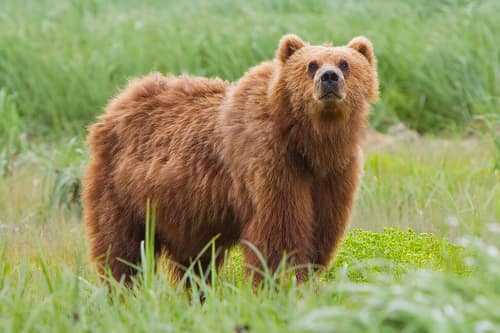
Predator Yathin S Krishnappa / CC BY-SA 3.0 · cc-by-sa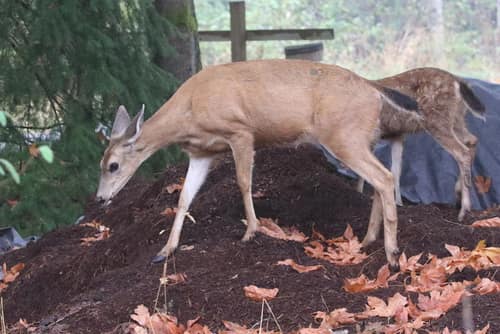
Close Relative no rights reserved, uploaded by Richard Fuller · cc0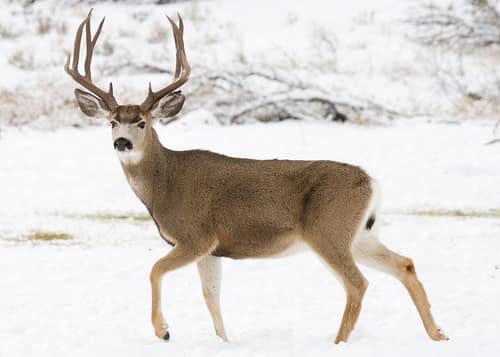
Close Relative Oregon Department of Fish & Wildlife / CC BY-SA 2.0 · cc-by-sa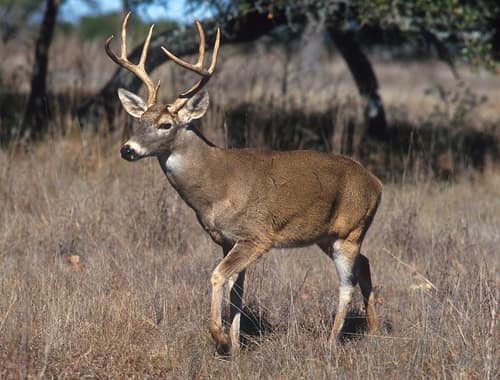
Close Relative USDA photo by Scott Bauer / Public domain · cc0
Help improve the field guideSomething wrong?
Checking your Fauna account…Report a name, category, or profile issue for review.