
Mammal · GBIF taxon 4262315
Southern Mule Deer
Odocoileus hemionus fuliginatusAlso known as California Mule Deer, Baja Mule Deer, Southern California Mule Deer
Southern mule deer navigate the arid chaparral, coastal sage scrub, and oak woodlands of Southern California and northern Baja California. Recognized by their exceptionally large, mule-like ears and distinct black-tipped tail, these adaptable ungulates move with a characteristic leaping stride called stotting when fleeing danger. During the autumn rut, bucks clash antlers to establish dominance, while does raise twin fawns hidden in dense brush throughout the spring.
HerbivoreMammalNative
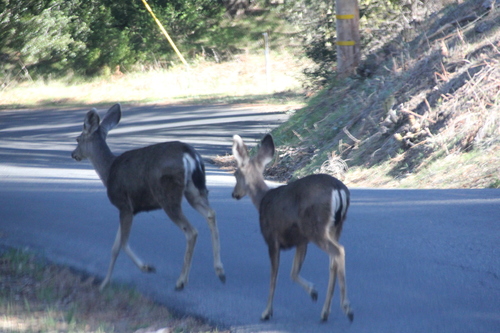
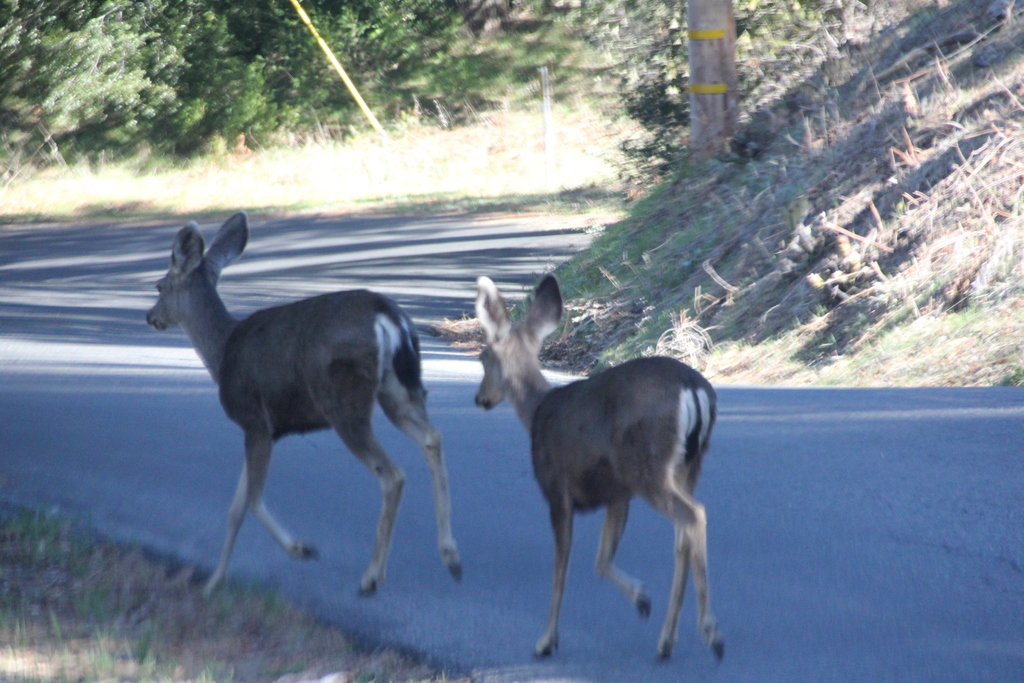 1 / 7
1 / 7—observations
—countries
—peak records
Least ConcernConservation statusIUCN Red List categoriesLCNTVUENCREWEXLeast ConcernRed List categories, explained →
Diet & prey
- Oak Acorns
- Chaparral Browse
- Grasses
Predators
- Mountain Lion
- Coyote
- Bobcat
ThreatsHabitat fragmentation, vehicular collisions, feral dogs, and severe wildland fires
HabitatsChaparral, coastal sage scrub, oak woodland, and arid foothills
Life span9–12 years in the wild
Classification
- FamilyCervidae
- SpeciesOdocoileus hemionus fuliginatus
Range data is not available yet.
Interaction riskModerate
- Low
- Moderate
- High
- Very high
- Why interaction risk is moderate
- May carry ticks that transmit pathogens; keep distance during the autumn rut and spring fawning seasons.
- Why it is dangerous
- Bucks become aggressive during the autumn rut, and does will forcefully defend young fawns if approached.
- How to recognize a risky encounter
- Look for large ears, a black-tipped white tail, and bifurcated antlers on mature males.
- What to do
- Maintain at least 20 meters of space and never attempt to feed or corner wild deer.
- What to notice
- Look for gray-brown coats and large ears in coastal sage scrub and oak canyon habitats.
- Support conservation
- Stick to designated trails and keep dogs leashed to minimize stress on local herds.
Responsible observation
- Observation Distance: Keep a respectful distance of at least 20 meters, especially during the fall rutting season.
- Driving Precautions: Slow down along rural foothill roads at dawn and dusk when deer actively cross roadways.
- Fawn Protection: Leave hidden fawns alone because mothers leave them tucked into vegetation while foraging nearby.
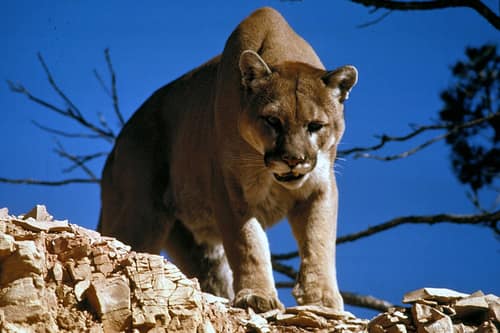
Apex Predator National Park Service / Public domain · cc0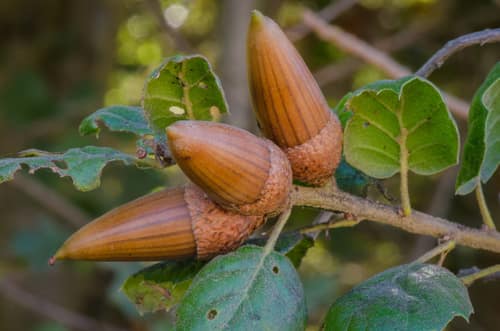
Food Source (c) Franco Folini, some rights reserved (CC BY-SA) · cc-by-sa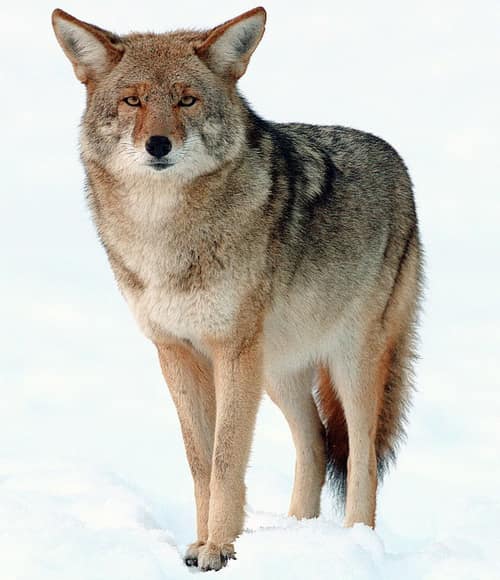
Fawn Predator Yathin S Krishnappa / CC BY-SA 3.0 · cc-by-sa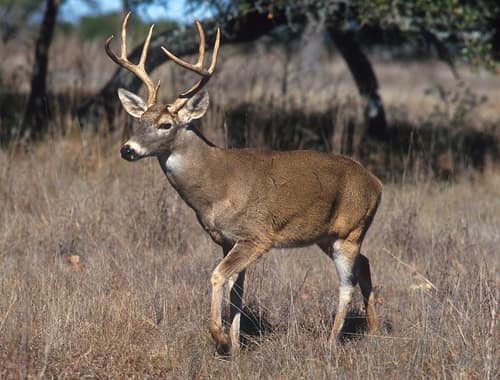
Close Relative USDA photo by Scott Bauer / Public domain · cc0
Help improve the field guideSomething wrong?
Checking your Fauna account…Report a name, category, or profile issue for review.