
Plant
Pachyphytum hookeri
Pachyphytum hookeriAlso known as Hooker's Moonstones, Hooker's Pachyphytum
Hooker's moonstones form dense rosettes of thick, cylindrical blue-green leaves covered in a delicate powdery wax. Under intense sunlight or cool temperatures, the tips flush with vivid pink and orange hues. Native to rocky limestone cliffs of central Mexico, this succulent blooms in winter and spring, producing nodding orange-red bell flowers on slender stalks.
SucculentDesertDrought-Tolerant
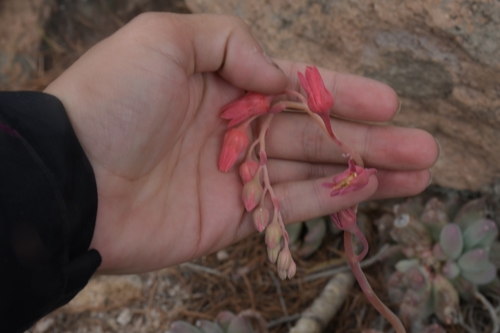
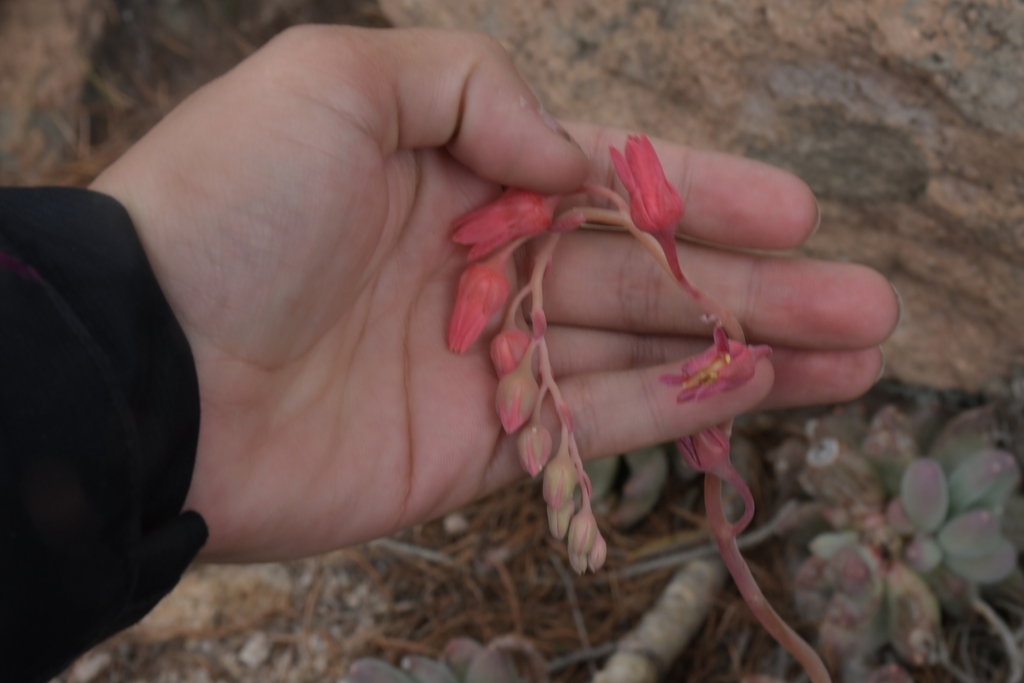
—observations
—countries
—peak records
Not EvaluatedConservation statusIUCN Red List categoriesLCNTVUENCREWEXNot Evaluated — not placed on the risk ladderRed List categories, explained →
Diet & preyAutotrophic (Photosynthetic)
Predators
- Snails
- Slugs
- Mealybugs
ThreatsHabitat disturbance, poachers collecting wild specimens
HabitatsArid rocky cliffs, scrublands, montane desert slopes
Life span10–30 years
Classification
- OrderSaxifragales
- FamilyCrassulaceae
- GenusPachyphytum
- SpeciesPachyphytum hookeri
Range data is not available yet.
Interaction riskLow
- Low
- Moderate
- High
- Very high
- Why interaction risk is low
- Safe to observe at a normal distance.
Responsible observation
- Leaf Coating: Avoid touching the leaves directly to preserve the powdery white bloom.
- Sun Exposure: Look for intense magenta leaf tips in full sun conditions.
- Rocky Outcrops: Seek specimens growing out of steep limestone crevices in wild habitats.
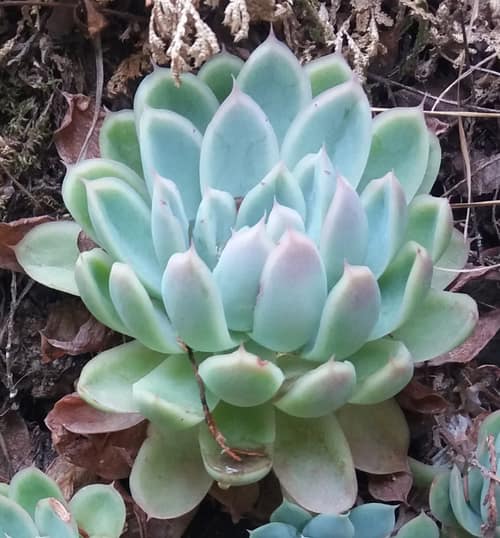
Ecological Neighbor (c) Israel Castorena Lemus, some rights reserved (CC BY-SA) · cc-by-sa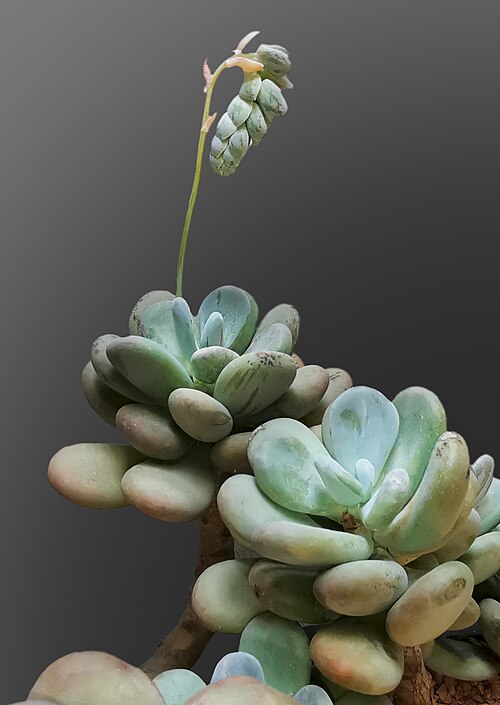
Close Relative Didier Descouens / CC BY-SA 4.0 · cc-by-sa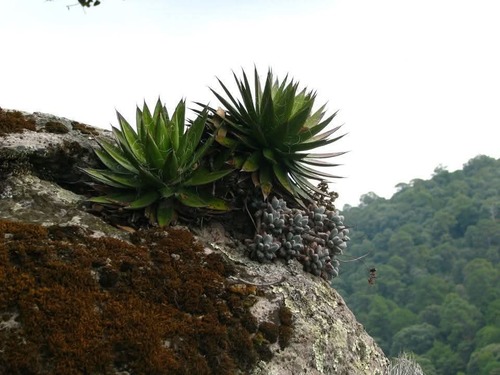
Close Relative (c) Oscar Alejandro Morales Juárez, some rights reserved (CC BY-SA) · cc-by-sa
Help improve the field guideSomething wrong?
Checking your Fauna account…Report a name, category, or profile issue for review.