
Plant · GBIF taxon 4200862
Velvet-leaf
Kalanchoe beharensisAlso known as Feltbush, Felt Plant, Elephant's Ear Kalanchoe
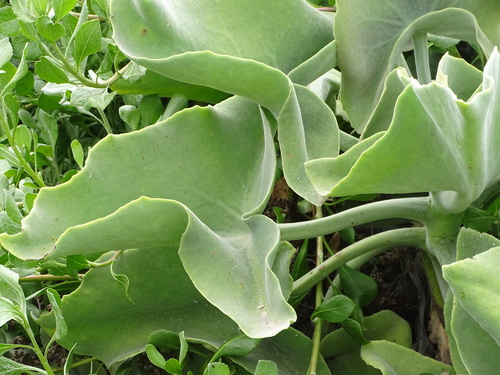
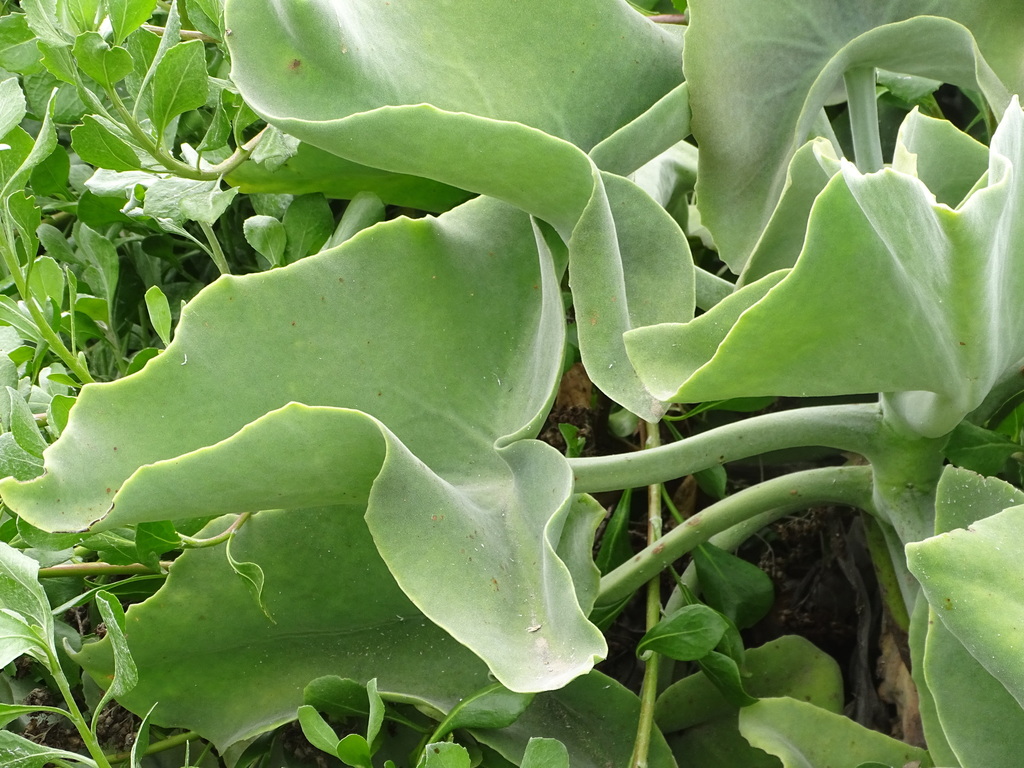
Velvet-leaf is a slow-growing arborescent succulent that anchors the arid spiny thickets of southern Madagascar, sometimes forming small trees with gnarled, scar-studded trunks. Its large, undulating triangular leaves are cloaked in a thick pelt of star-shaped hairs that trap air, minimize water loss, and reflect harsh tropical sunlight. Small, urn-shaped yellow-green flowers bloom on tall branched inflorescences during the dry winter months, providing critical nectar for opportunistic pollinators.
SucculentDrought-TolerantTree-Form
—observations
—countries
—peak records
VulnerableConservation statusIUCN Red List categoriesLCNTVUENCREWEXVulnerableRed List categories, explained →
Diet & prey
- Photoautotrophic
Predators
- Mealybugs
- Scale insects
- Browsing livestock
ThreatsHabitat loss from charcoal production, land clearance, illegal wild harvesting
HabitatsSpiny thickets, dry deciduous forests, rocky scrublands
Life span30–60 years
Size / weightNot available
Classification
- OrderSaxifragales
- FamilyCrassulaceae
- GenusKalanchoe
- SpeciesKalanchoe beharensis
Range data is not available yet.
Interaction riskHigh
- Low
- Moderate
- High
- Very high
- Why interaction risk is high
- Contains cardiac glycosides toxic to pets and livestock; place out of reach of domestic animals.
- Why it is dangerous
- Tissues contain bufadienolide cardiac glycosides that disrupt normal cardiac rhythm, inducing vomiting, extreme salivation, arrhythmias, and potentially fatal cardiac failure in animals.
- How to recognize a risky encounter
- Look for large, ruffled triangular leaves covered in dense, bronze to silvery felt atop a thick, branching woody stem.
- What to do
- Keep away from grazing pets, and wash hands thoroughly after trimming foliage or handling broken stems.
- What to notice
- Wild plants form architectural, multi-branched small trees with notable triangular leaf scars ringing the mature trunk.
- Support conservation
- Never collect specimens or seeds from wild populations, and purchase only ethically nursery-propagated stock.
Responsible observation
- Landscape Display: Provide full sun and sharply draining soil to keep foliage dense and richly colored.
- Pet Safety: Position container specimens on elevated benches where dogs and cats cannot chew on leaves.
- Propagation: Root single mature leaves or stem cuttings easily in coarse sand or perlite.
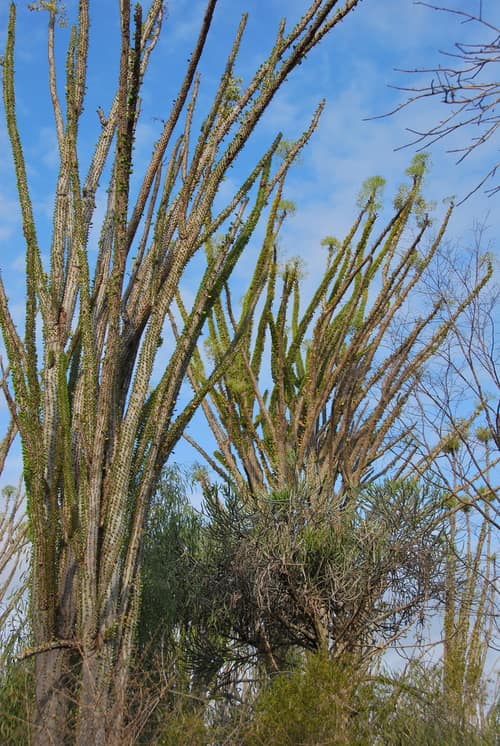
Frequent Companion (c) William Stephens, some rights reserved (CC BY), uploaded by William Stephens · cc-by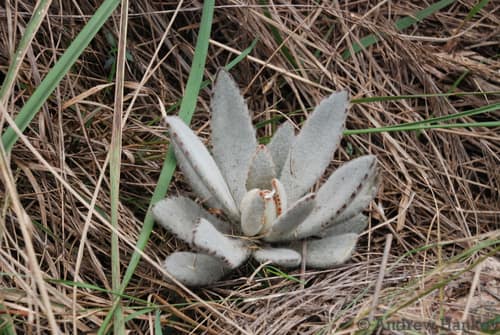
Close Relative (c) Andrew Hankey, some rights reserved (CC BY-SA), uploaded by Andrew Hankey · cc-by-sa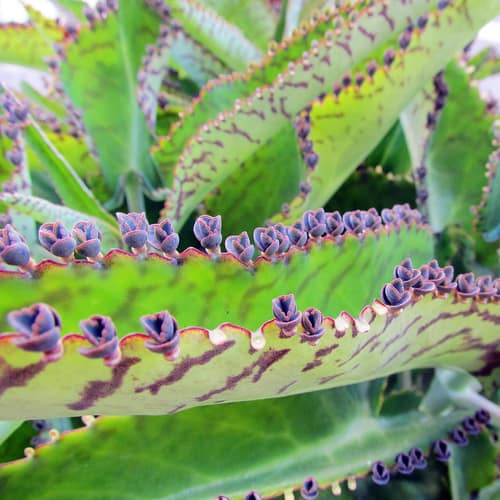
Close Relative Gmihail at Serbian Wikipedia / CC BY-SA 3.0 rs · cc-by-sa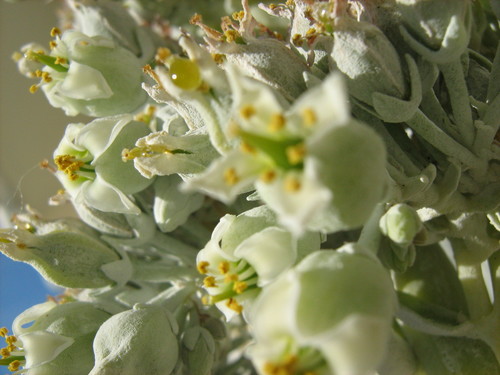
Close Relative (c) Samuel Brown, some rights reserved (CC BY), uploaded by Samuel Brown · cc-by
Help improve the field guideSomething wrong?
Checking your Fauna account…Report a name, category, or profile issue for review.