
Plant
Mother of Thousands
Kalanchoe laetivirensAlso known as Alligator Plant, Big Momma, Mexican Hat Plant
Mother of Thousands features thick, bluish-green fleshy leaves fringed with tiny plantlets along every scalloped margin. These miniature clones drop at the slightest touch, rapidly taking root wherever they fall on warm soils or garden beds. Native to Madagascar, this hardy succulent stores water in its foliage and produces tall stalks of bell-shaped pinkish blooms under ideal conditions.
SucculentToxicProlific
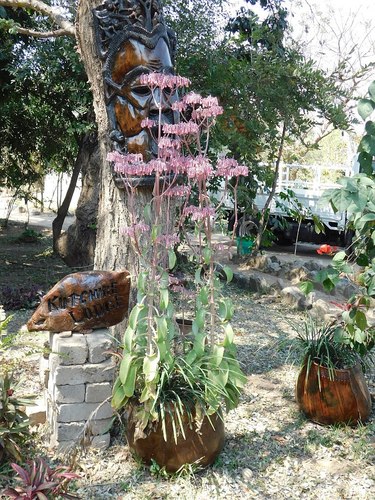
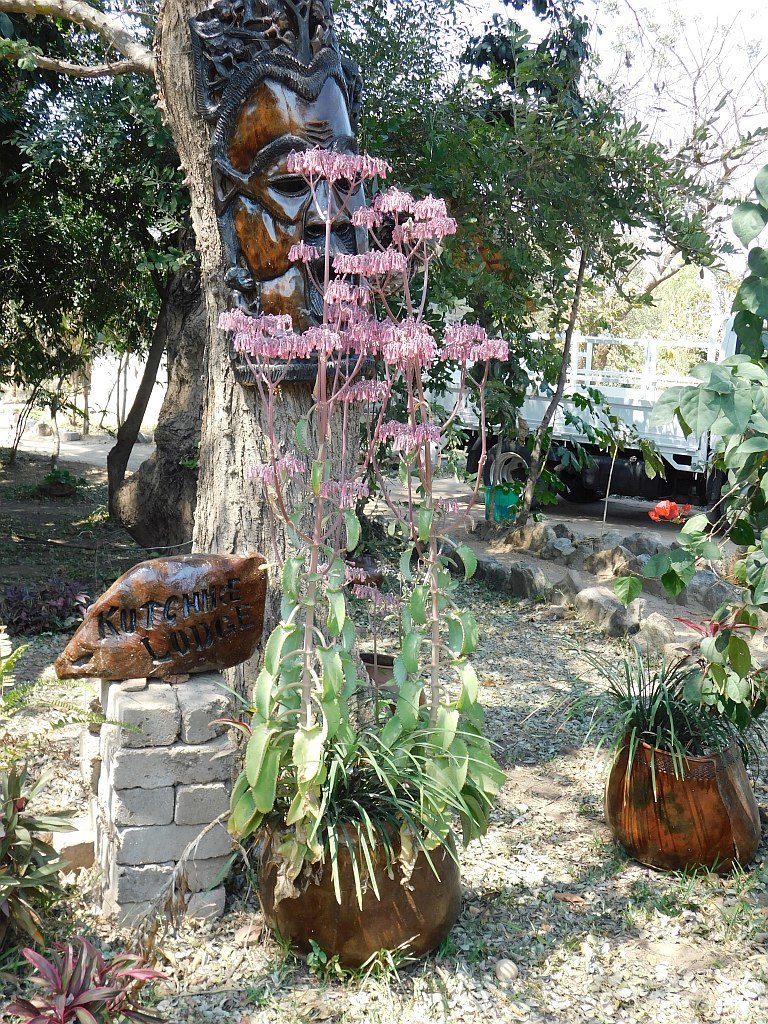
—observations
—countries
—peak records
Not EvaluatedConservation statusIUCN Red List categoriesLCNTVUENCREWEXNot Evaluated — not placed on the risk ladderRed List categories, explained →
Diet & preyPhotosynthetic
Predators
- Mealybugs
- Scale insects
ThreatsHabitat conversion in native range; controlled as an invasive weed elsewhere
HabitatsArid scrublands, rocky slopes, and disturbed soils
Life span5–10 years
Classification
- OrderSaxifragales
- FamilyCrassulaceae
- GenusKalanchoe
- SpeciesKalanchoe laetivirens
Range data is not available yet.
Interaction riskHigh
- Low
- Moderate
- High
- Very high
- Why interaction risk is high
- All plant parts contain cardiac glycosides toxic to pets; keep out of reach of cats and dogs.
- Why it is dangerous
- Contains cardiac glycosides that cause severe gastrointestinal distress, cardiac arrhythmias, and heart block if ingested by pets or livestock.
- How to recognize a risky encounter
- Identified by broad, glaucous green leaves lined with rows of tiny, rooted plantlets along the notched edges.
- What to do
- Position high off the ground away from curious pets, and wear gloves when pruning or disposing of leaf waste.
Responsible observation
- Potted Isolation: Grow in contained pots indoors or on patios to prevent stray plantlets from invading nearby garden beds.
- Pet Safety: Place high on shelves or in hanging baskets well out of reach of curious cats and dogs.
- Safe Removal: Bag rooted specimens and stray plantlets thoroughly when clearing garden areas to avoid accidental re-establishment.
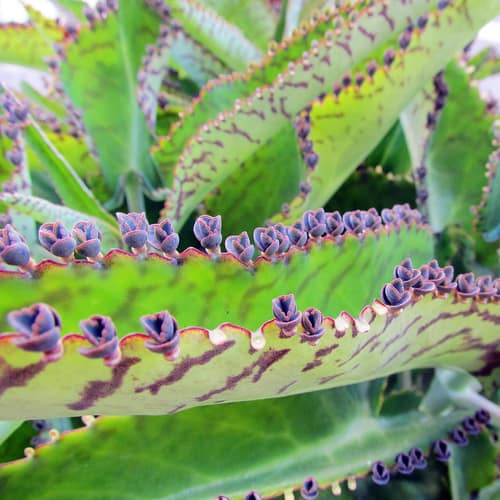
Close Relative Gmihail at Serbian Wikipedia / CC BY-SA 3.0 rs · cc-by-sa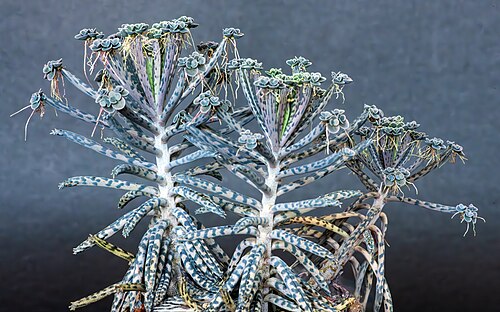
Close Relative Didier Descouens / CC BY-SA 4.0 · cc-by-sa Image unavailable
Close Relative 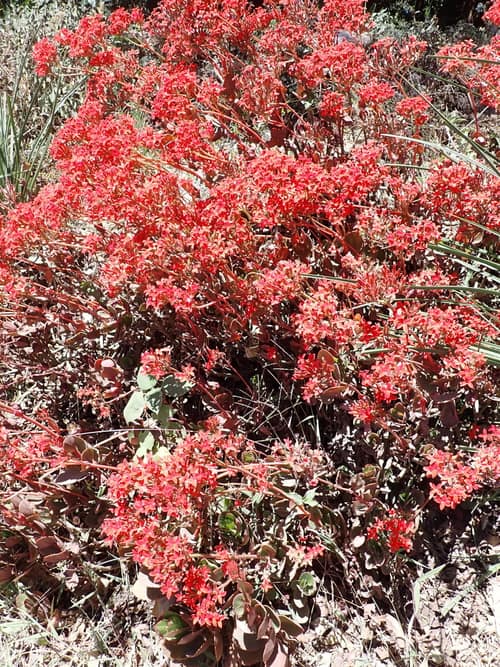
Close Relative (c) birdzilla, some rights reserved (CC BY) · cc-by
Help improve the field guideSomething wrong?
Checking your Fauna account…Report a name, category, or profile issue for review.