
Plant · GBIF taxon 4193702
New Guinea Impatiens
Impatiens hawkeriAlso known as New Guinea Hybrid Impatiens, Hawker's Touch-Me-Not
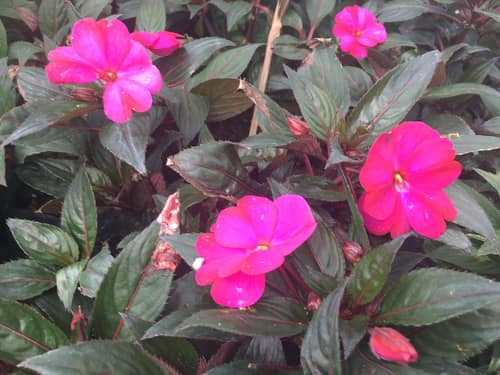
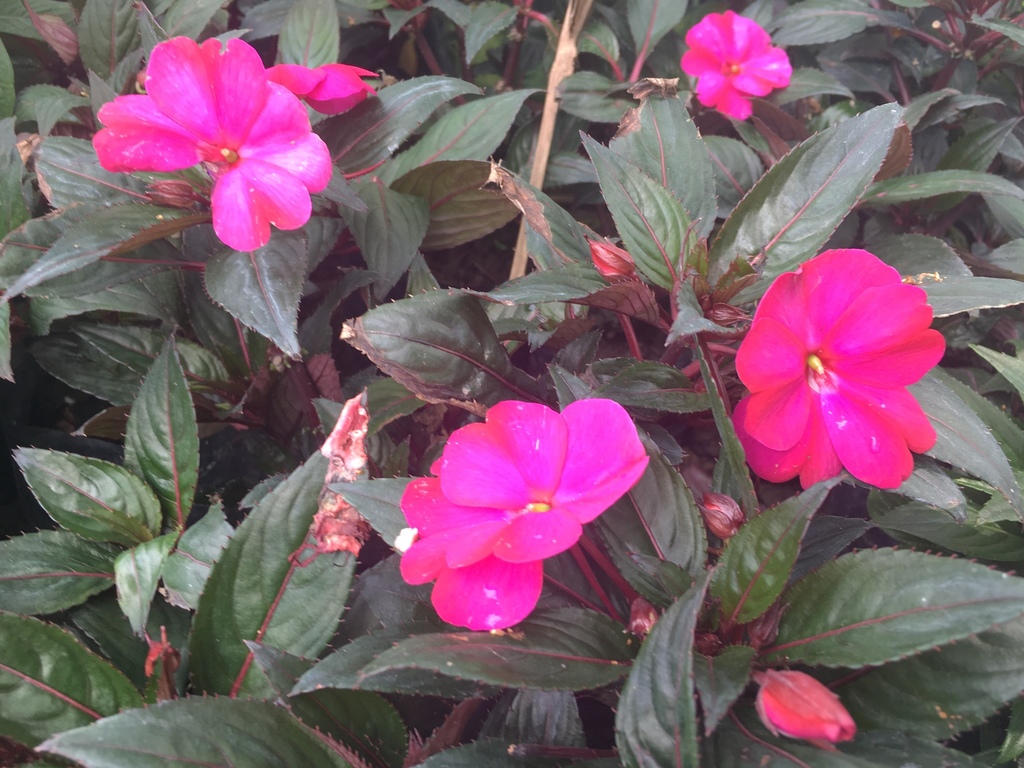
New Guinea impatiens stand out in shady gardens with their thick, succulent stems, variegated or dark bronze foliage, and brilliant flattened blossoms spanning hues of pink, red, purple, and white. Unlike their shade-bound relative Impatiens walleriana, these tropical perennials tolerate partial sunshine and show high resistance to devastating impatiens downy mildew. Native to the damp montane rainforests of Papua New Guinea and the Solomon Islands, they rely on visiting butterflies and birds to feed from their elongated nectar spurs.
TropicalFloweringShade-Tolerant
 1 / 7
1 / 7—observations
—countries
—peak records
Not EvaluatedConservation statusIUCN Red List categoriesLCNTVUENCREWEXNot Evaluated — not placed on the risk ladderRed List categories, explained →
Diet & prey
- Sunlight
- Water
- Soil nutrients
Predators
- Spider mites
- Thrips
- Slugs
ThreatsHabitat loss in native range; spider mites and root rot in cultivation
HabitatsMontane rainforests, stream margins, gardens, and greenhouses
Life spanPerennial in tropical zones; grown as an annual in temperate climates
Classification
- OrderEricales
- FamilyBalsaminaceae
- GenusImpatiens
- SpeciesImpatiens hawkeri
Range data is not available yet.
Interaction riskLow
- Low
- Moderate
- High
- Very high
- Why interaction risk is low
- Safe to observe at a normal distance.
Responsible observation
- Placement: Position in morning sun with afternoon shade for optimal flowering without leaf scorch.
- Watering: Keep soil consistently moist while ensuring pots have adequate drainage to prevent stem rot.
- Propagation: Root softwood cuttings easily in water or moist soil during spring and summer.
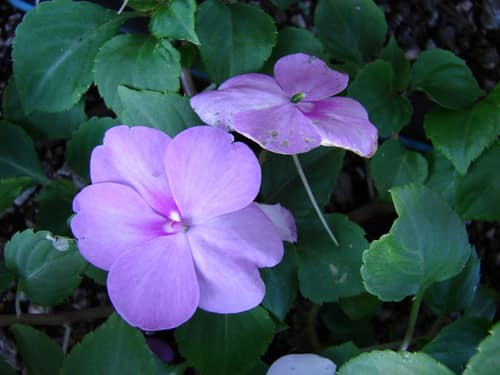
Close Relative (c) Forest and Kim Starr, some rights reserved (CC BY) · cc-by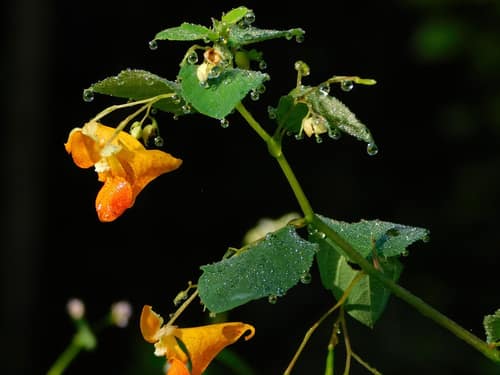
Wild Relative (c) Michael J. Papay, some rights reserved (CC BY), uploaded by Michael J. Papay · cc-by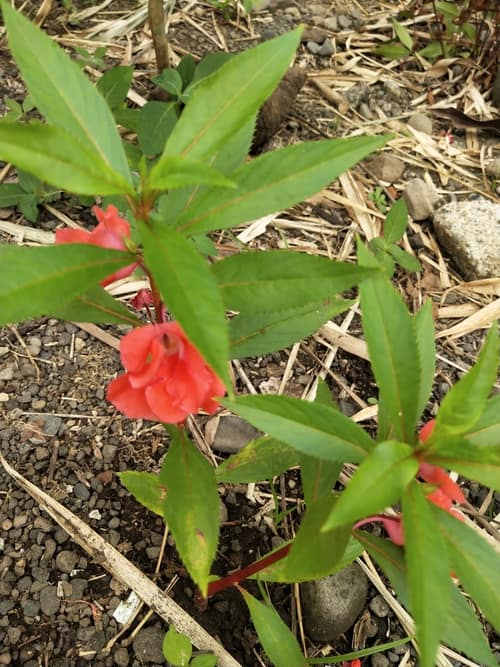
Garden Relative (c) Greg III Espera, some rights reserved (CC BY) · cc-by
Help improve the field guideSomething wrong?
Checking your Fauna account…Report a name, category, or profile issue for review.