
Plant
Emerald Ripple Peperomia
Peperomia caperataAlso known as Green Ripple Peperomia, Ripple Peperomia
Emerald ripple peperomias hug the damp, shaded forest floors and mossy tree forks of southern Brazil, thriving as both terrestrial understory herbs and lithophytes. Their deeply ridged, heart-shaped foliage features dark green corrugations that capture diffuse rainforest light and channel moisture toward the roots. During warmer months, mouse-tail flower spikes rise straight above the dome of leaves, packed with minute blossoms adapted to tiny insect pollinators.
EpiphyticTropicalHouseplant
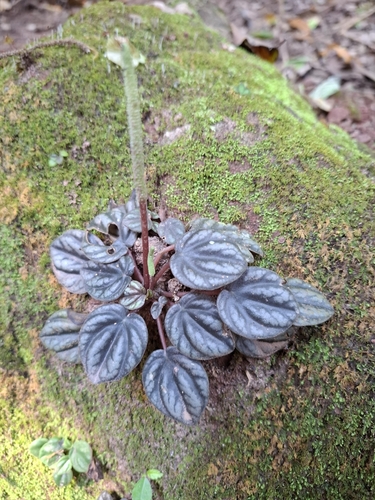
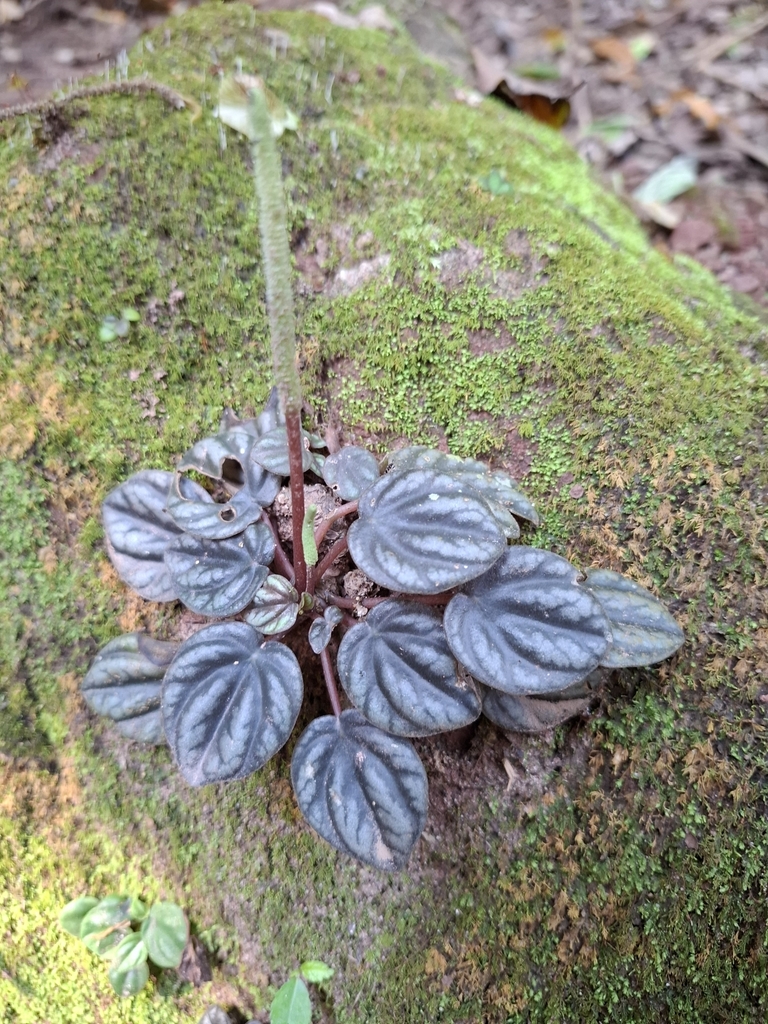
—observations
—countries
—peak records
Not EvaluatedConservation statusIUCN Red List categoriesLCNTVUENCREWEXNot Evaluated — not placed on the risk ladderRed List categories, explained →
Diet & preyAutotrophic (photosynthesis)
Predators
- Snails
- Slugs
- Herbivorous insects
ThreatsHabitat loss from deforestation and land clearing
HabitatsTropical rainforest understory, rocky slopes, and mossy tree trunks
Life span5–10 years
Classification
- OrderPiperales
- FamilyPiperaceae
- GenusPeperomia
- SpeciesPeperomia caperata
Range data is not available yet.
Interaction riskLow
- Low
- Moderate
- High
- Very high
- Why interaction risk is low
- Non-toxic to pets and humans; safe to handle and observe at close range.
Responsible observation
- Cultivation: Provide bright, indirect light and allow soil to partially dry between waterings.
- Propagation: Root single healthy leaves with petioles directly in damp potting medium.
- Handling: Treat gently, as the swollen succulent leaf stalks snap easily under pressure.
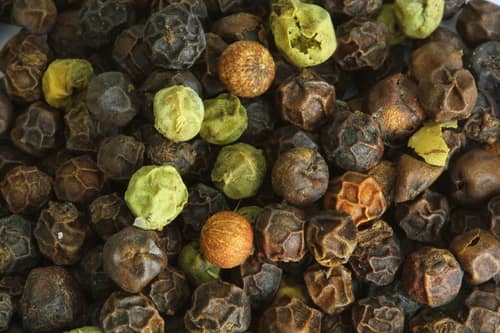
Botanical Cousin (c) breki74, some rights reserved (CC BY-SA) · cc-by-sa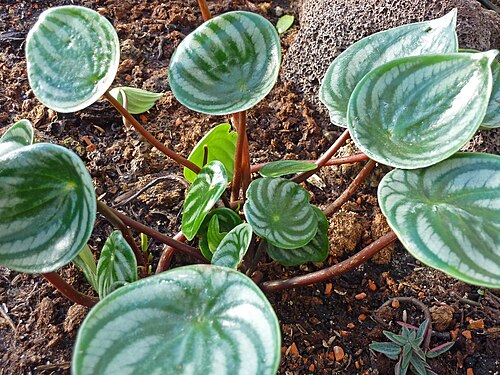
Close Relative James Steakley / CC BY-SA 3.0 · cc-by-sa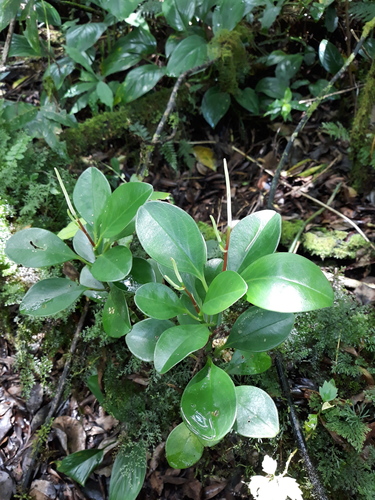
Close Relative (c) Alexis López Hernández, some rights reserved (CC BY) · cc-by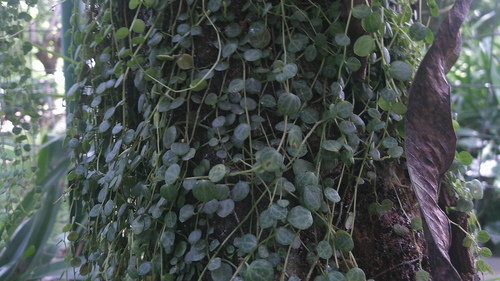
Close Relative (c) Raúl A. Ruiz M., some rights reserved (CC BY) · cc-by
Help improve the field guideSomething wrong?
Checking your Fauna account…Report a name, category, or profile issue for review.