
Flower
Southern Indian Azalea
Rhododendron indicumAlso known as Satsuki Azalea, Indicum Azalea
Satsuki azaleas produce striking trumpet-shaped blossoms in late spring and early summer, thriving along rocky streams and mountain slopes across native Japan. Despite its misleading botanical name suggesting an Indian origin, this compact evergreen shrub has been cultivated for centuries in traditional East Asian horticulture and bonsai practice. Its dense, low-growing habit and glossy leaves provide vital shelter for small birds and insects in forest understories.
EvergreenFloweringOrnamental
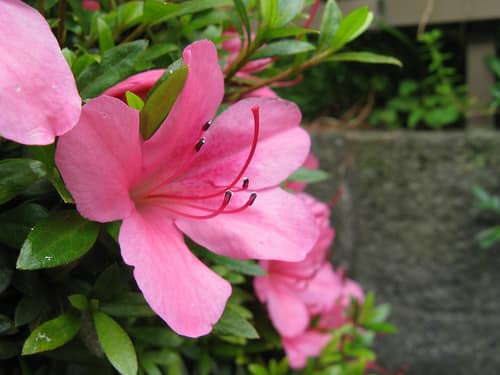
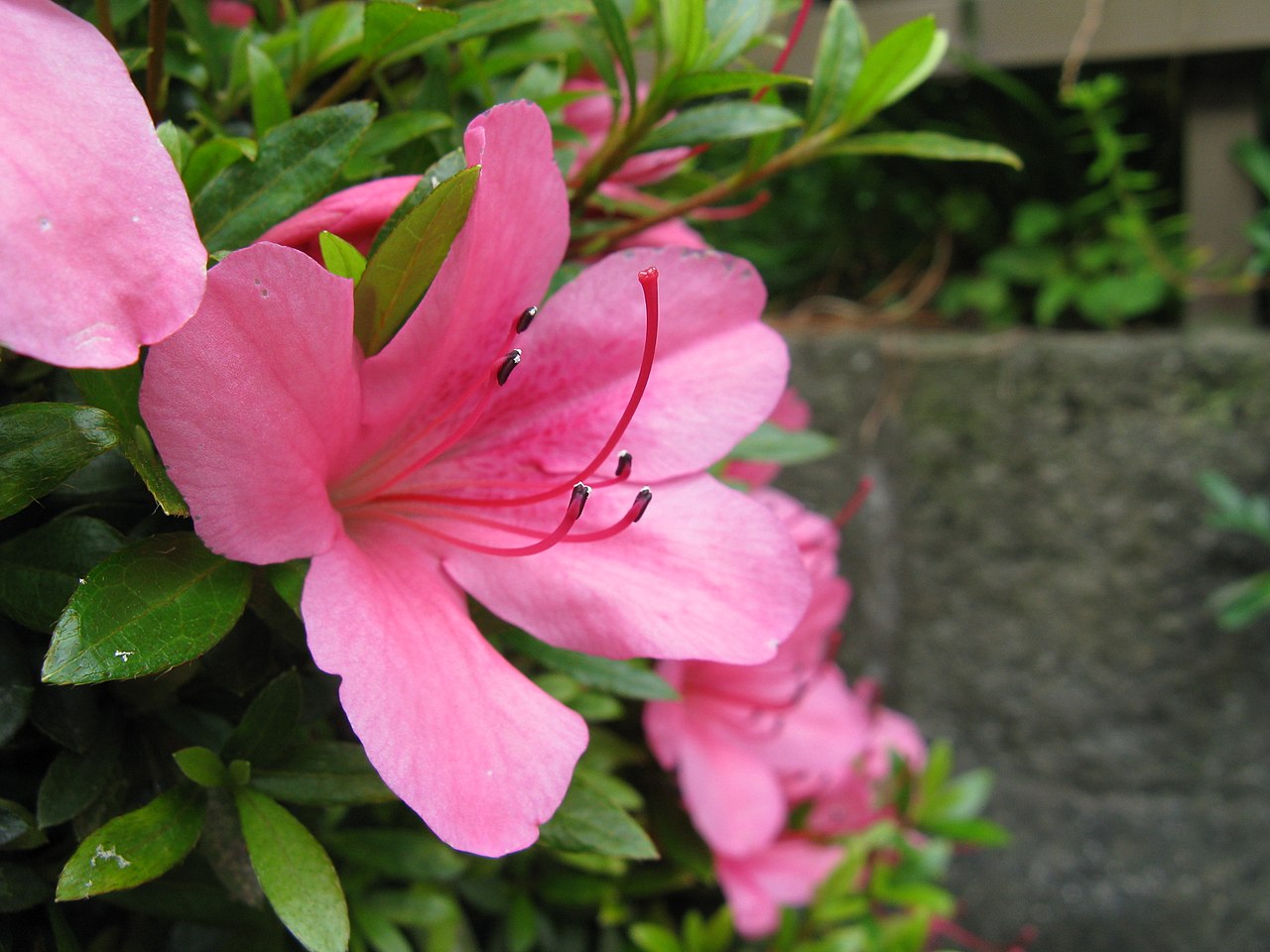
—observations
—countries
—peak records
Not EvaluatedConservation statusIUCN Red List categoriesLCNTVUENCREWEXNot Evaluated — not placed on the risk ladderRed List categories, explained →
Diet & preySunlight, Water, Acidic soil nutrients
Predators
- Azalea lace bugs
- Spider mites
- Deer
ThreatsHabitat urbanization, azalea lace bugs, extreme drought
HabitatsRocky stream banks, mountain slopes, open forests, cultivated gardens
Life span50–100+ years
Classification
- OrderEricales
- FamilyEricaceae
- GenusRhododendron
- SpeciesRhododendron indicum
Range data is not available yet.
Interaction riskHigh
- Low
- Moderate
- High
- Very high
- Why interaction risk is high
- Contains grayanotoxins toxic to humans and pets if ingested; do not consume any part of the plant.
- Why it is dangerous
- Contains grayanotoxins throughout the plant, which can cause severe gastrointestinal distress, low blood pressure, and heart arrhythmia if eaten.
- How to recognize a risky encounter
- Recognize by its compact height, narrow glossy evergreen leaves, and late-spring trumpet flowers in red, pink, or white.
- What to do
- Never ingest any plant parts and wash hands after pruning or handling crushed foliage.
Responsible observation
- Soil Preferences: Provide moist, well-draining acidic soil rich in organic matter for optimal growth.
- Safe Placement: Keep planted specimens out of reach of grazing livestock, dogs, and cats.
- Observing Blooms: Inspect flower throats to admire the speckled guidelines that direct pollinators.
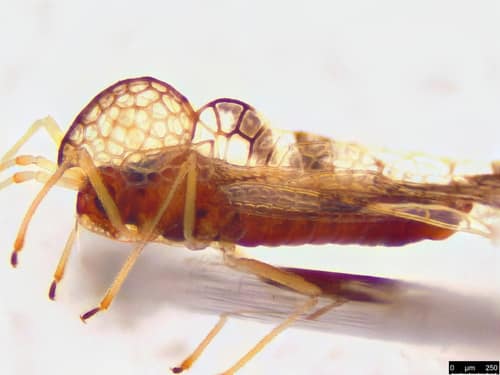
Pest (c) Donald Hobern, some rights reserved (CC BY) · cc-by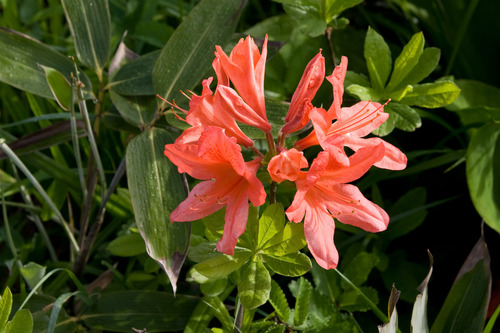
Close Relative (c) Σ64, some rights reserved (CC BY) · cc-by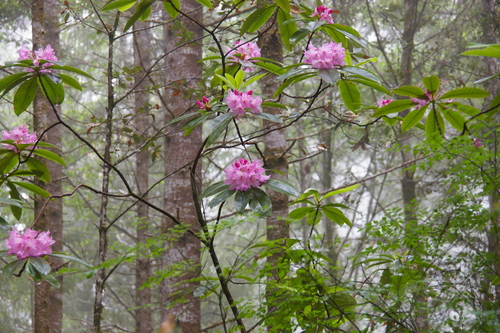
Close Relative (c) Scott Catron, some rights reserved (CC BY-SA) · cc-by-sa
Help improve the field guideSomething wrong?
Checking your Fauna account…Report a name, category, or profile issue for review.