Also known as Splendid Azalea, Jinxiu Azalea, Purple Azalea
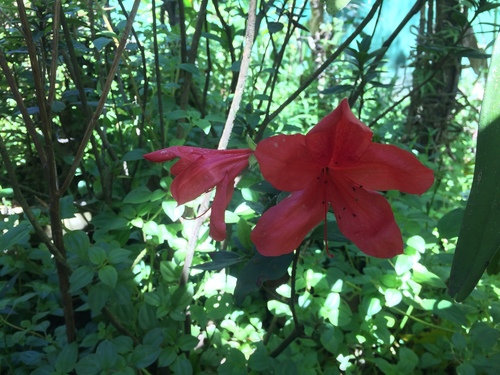
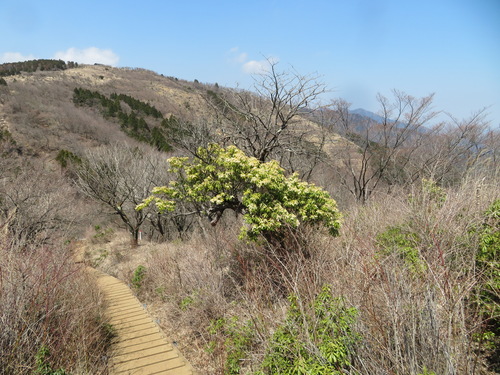
Splendid azalea produces broad, rose-purple corollas prominently speckled with crimson nectar guides that draw native bees and swallowtail butterflies. Native to China and widely cultivated across East Asia, this semi-evergreen shrub thrives in cool, dappled forest margins and acidic mountain soils. Its leathery foliage remains lush through mild winters, providing steady cover for ground-foraging birds.
Contains grayanotoxins; toxic to humans, dogs, and cats if ingested.
Why it is dangerous
All parts contain grayanotoxins, which disrupt cellular sodium channels and induce vomiting, dizziness, cardiac arrhythmia, and low blood pressure when swallowed.
How to recognize a risky encounter
Look for leathery semi-evergreen leaves with bristly hairs and vivid rose-purple flowers bearing dark red flecks on the upper lobes.
What to do
Wear garden gloves during seasonal pruning, and keep clippings away from curious pets and grazing livestock.
Responsible observation
Pruning: Trim stems immediately after flowering finishes to avoid cutting off next spring's flower buds.
Soil Care: Maintain moist, acidic, humus-rich soil mulched with pine bark to protect fine shallow roots.
Pollinator Watching: Inspect the dark crimson flecks inside the upper petals to spot bumblebees landing on nectar trails.

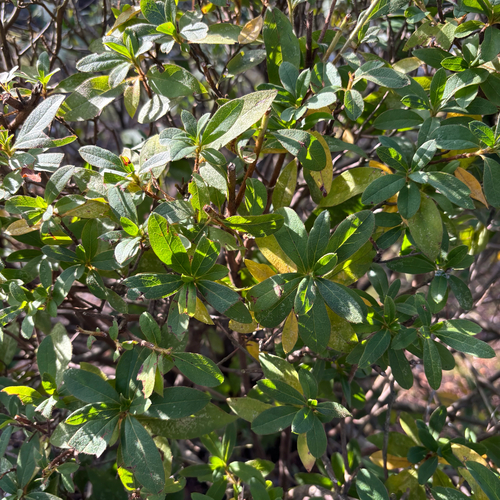
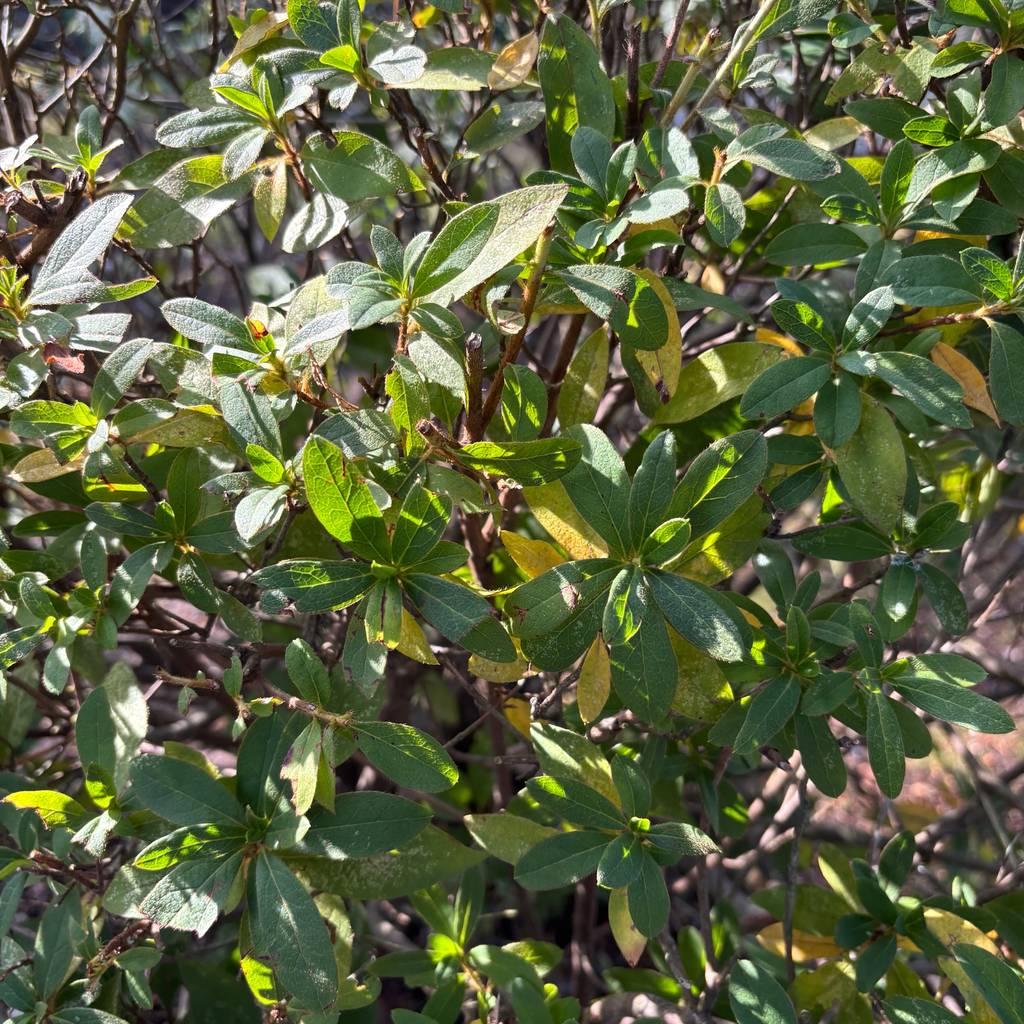
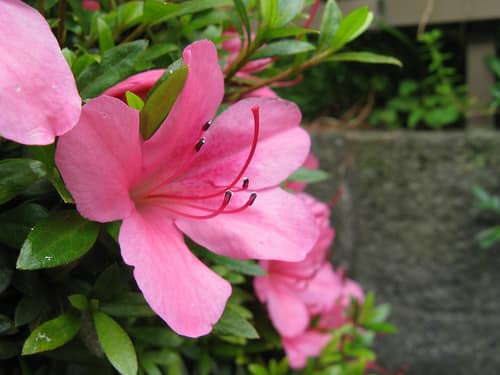
 Image unavailable