
Plant · GBIF taxon 4158569
Begonia corallina
Begonia corallinaAlso known as Coral Begonia, Cane Begonia
Coral begonia grows as an upright, cane-forming perennial shrub native to the understory of Brazil's coastal rainforests. Thick, bamboo-like stems produce cascading clusters of vivid coral-red flowers and lance-shaped leaves accented with distinctive silver spotting. Widely cultivated for its showy, pendulous inflorescences, it serves in its native biome as a food source for hummingbirds and specialized nectar-feeding insects.
TropicalFloweringUnderstory
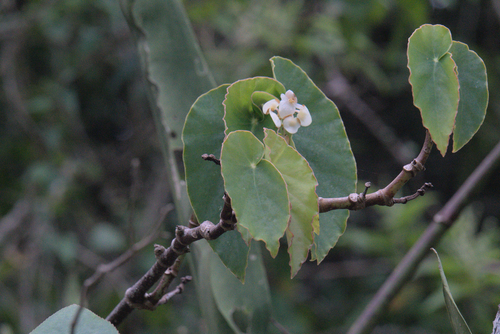
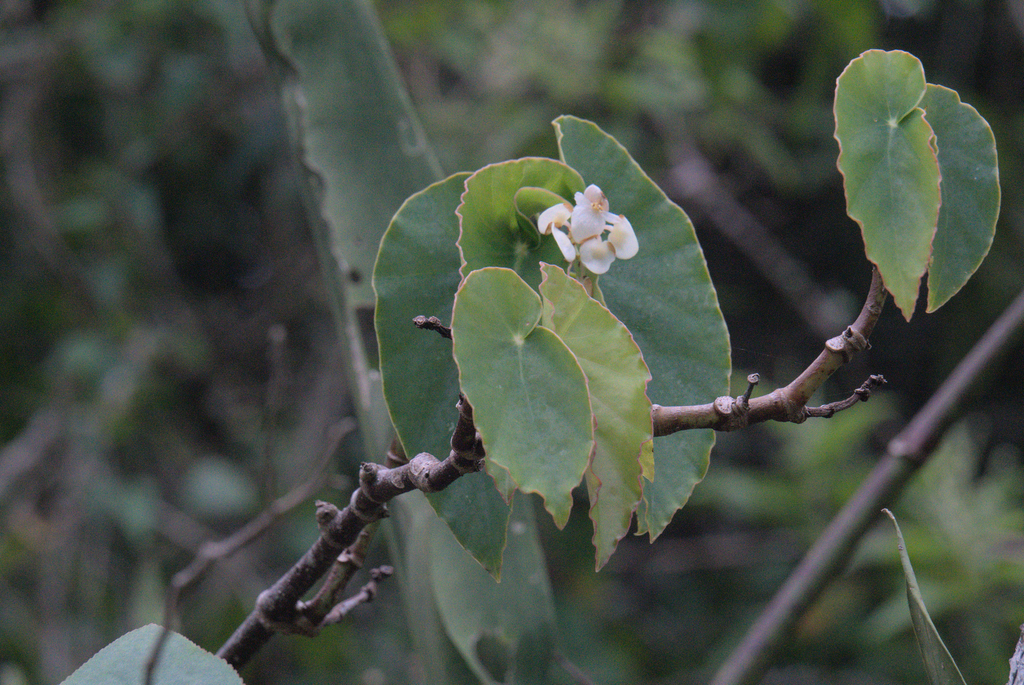
Licensed referenceno rights reserved · cc0
—observations
—countries
—peak records
Not EvaluatedConservation statusIUCN Red List categoriesLCNTVUENCREWEXNot Evaluated — not placed on the risk ladderRed List categories, explained →
Diet & prey
- Autotrophic (Photosynthetic)
Predators
- Slugs
- Snails
- Mealybugs
ThreatsDeforestation and Atlantic Forest habitat fragmentation
HabitatsTropical moist lowland forests and shaded ravines
Life span10–25 years
Size / weightNot available
Classification
- FamilyBegoniaceae
- SpeciesBegonia corallina
Range data is not available yet.
Interaction riskHigh
- Low
- Moderate
- High
- Very high
- Why interaction risk is high
- Toxic to dogs and cats if ingested; safe to touch and observe.
- Why it is dangerous
- Tissues contain soluble calcium oxalate crystals that cause intense mouth irritation, drooling, and vomiting if chewed by pets.
- How to recognize a risky encounter
- Recognized by its stiff, jointed cane stems, asymmetric leaves, and drooping clusters of coral-red flowers.
- What to do
- Keep away from dogs and cats; wash hands with soap after pruning or taking stem cuttings.
Responsible observation
- Light Placement: Position under bright, indirect light to protect tender foliage from scorching.
- Pet Safety: Keep foliage and fallen blossoms out of reach of household pets prone to chewing plants.
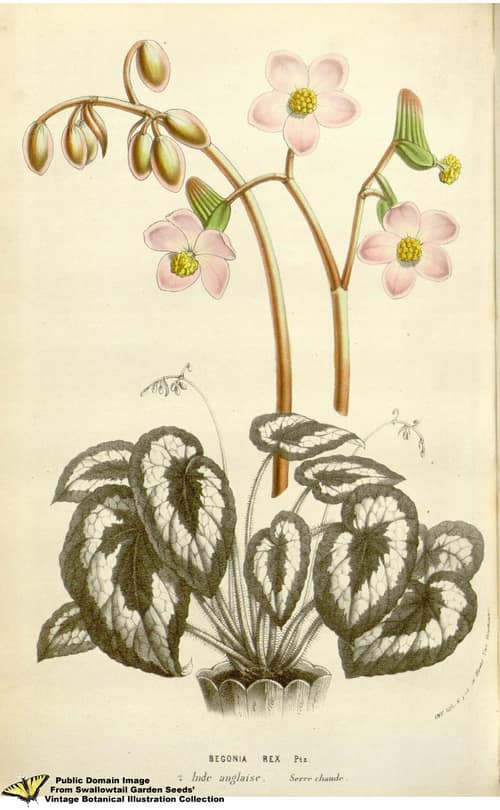
Same Genus Swallowtail Garden Seeds / Public domain · cc0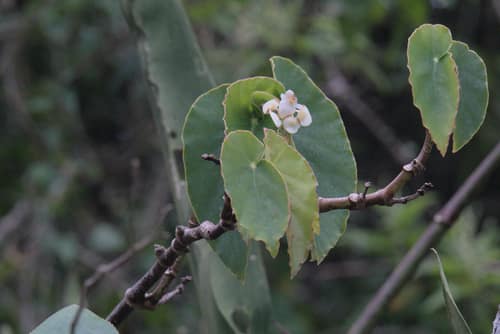
Close Relative (c) filipeprates, some rights reserved (CC BY) · cc-by Image unavailable
Close Relative
Help improve the field guideSomething wrong?
Checking your Fauna account…Report a name, category, or profile issue for review.